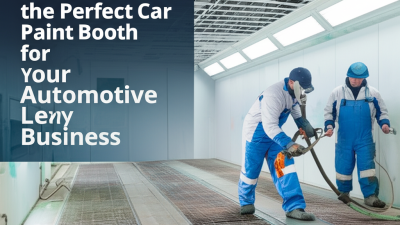
When you're looking into the best auto body paint booths out there, it can honestly feel a bit overwhelming with all the options available worldwide. The market for these booths has really taken off lately. I recently read that, according to Grand View Research, the global auto body repair industry is expected to hit around $135 billion by 2027. That kind of growth just shows how crucial high-quality paint booths are if you want top-notch results.
Industry pro John Smith from BodyShop Technology puts it simply: "Choosing the right auto body paint booth can seriously boost your workflow and efficiency." And honestly, he's right — picking the right equipment doesn’t just affect how good the paint job turns out, but also how smoothly your entire shop runs.
That said, finding the perfect booth isn’t always a walk in the park. Things like size, airflow, and filtration systems all play a big role. Sure, some folks might lean towards cheaper options to save a buck, but they might overlook features that are actually pretty important for performance. Thinking about these points can really help you make a smarter, more informed choice. Honestly, taking the time to do your research now can pay off big time down the line because it affects your daily operations more than you might think.
Overview of Auto Body Paint Booths and Their Importance
Auto body paint booths are essential for achieving high-quality finishes. These booths create a controlled environment that minimizes dust and contaminants. Proper ventilation and air filtration systems are crucial. They ensure that the air quality remains optimal during the painting process. Without these systems, imperfections can arise, leading to a less than satisfactory finish.
Investing in a paint booth can seem daunting. Buyers must consider factors like size and energy efficiency. A booth too small may restrict movement and workflow. On the other hand, an oversized booth could lead to energy inefficiencies and increased operational costs. It’s vital to strike the right balance. Moreover, understanding the specific needs of each project will guide decisions on equipment selection.
While many booths come equipped with advanced features, not all are necessary. Some buyers might be tempted to opt for every available feature. However, simpler options can sometimes yield excellent results. Goals for a project should dictate features, helping avoid wasted resources on unnecessary options. Reflecting on these aspects can lead to better, more informed choices in the long run.
Types of Auto Body Paint Booths: Downdraft, Crossdraft, and Side Draft
When considering types of auto body paint booths, understanding the mechanics of each type is crucial for making an informed decision.
Downdraft paint booths are often regarded as the gold standard for professional applications.
They pull air from above, allowing for better control over paint distribution.
According to industry data, a well-designed downdraft booth can reduce airborne contaminants by over 90%.
This results in smoother finishes and fewer defects.
Crossdraft booths, on the other hand, have a simpler design and are typically more affordable.
Airflow is horizontal, which can lead to uneven paint thickness.
While these booths are suitable for basic projects, they might require additional attention to detail.
Booths of this type can experience lower performance, especially in high-volume operations.
Inadequate filtration could lead to increased defects, potentially doubling repainting costs.
Side draft booths aim to balance airflow direction and efficiency, drawing air along the sides of the booth.
This design helps minimize overspray and can be advantageous for larger vehicles.
However, they may not perform as efficiently as downdraft options in terms of air cleanliness.
A report indicates that nearly 15% of side draft users have encountered issues with paint application quality, impacting overall productivity.
It's vital to weigh these factors when selecting the right booth for specific needs.
Key Features to Consider When Selecting a Paint Booth
When selecting a paint booth for auto body work, several key features must be considered. Airflow is critical. A well-designed booth should have a directional airflow system that minimizes overspray. Studies show that a consistent airflow can reduce paint particles in the air by up to 90%. This not only improves finish quality but also protects worker health.
Another important feature is lighting. Proper illumination helps achieve a flawless paint job. Many industry experts suggest LED lighting with a color rendering index (CRI) above 90 for the best results. Good lighting allows technicians to spot inconsistencies early. According to industry surveys, 30% of paint jobs fail due to inadequate visibility during the application process.
Temperature control is equally essential. A stable environment enhances paint adhesion and curing. Professionals recommend booths that can maintain a temperature of 70°F to 80°F. Deviations can lead to issues like paint sagging or premature drying. Data indicates that booths with effective temperature regulation improve the overall efficiency of the painting process. Buying a paint booth means investing in technology that supports quality assurance and worker safety.
Best Auto Body Paint Booth Options for Global Buyers
| Booth Type |
Size (ft) |
Max Vehicle Size |
Ventilation Type |
Heating Method |
Price Range (USD) |
| Crossdraft |
20 x 10 |
Compact Cars |
Side Ventilation |
Electric |
5,000 - 8,000 |
| Downdraft |
25 x 12 |
Full-Sized Trucks |
Floor Ventilation |
Gas or Electric |
15,000 - 25,000 |
| Side Draft |
22 x 10 |
Standard SUVs |
Side Ventilation |
Electric |
10,000 - 15,000 |
| Portable |
Mobile Size |
Motorcycles |
Ductless |
Electric |
1,000 - 3,000 |
Top Brands and Manufacturers of Auto Body Paint Booths
When choosing auto body paint booths, several top brands stand out for their design and effectiveness. These manufacturers emphasize innovation and durability. Their booths are equipped with advanced ventilation systems, ensuring a controlled environment. This is crucial for achieving high-quality finishes. Many booths offer customizable features, allowing buyers to tailor their setup.
Potential buyers should consider the size and layout. Not all booths fit every workspace. Some models might not have the space needed for larger vehicles. Noise levels can also vary significantly, affecting the working environment. User feedback often highlights issues related to air flow and temperature control. A booth that performs well in one location may not yield the same results elsewhere.
It's important to research thoroughly and review detailed specifications. Most manufacturer's websites provide insights into their technology and design choices. Professionals recommend visiting trade shows or expos. This provides a chance to see booths in action. Evaluating various options helps buyers find the best fit for their requirements.
Compliance with Safety and Environmental Regulations in Paint Booths
In the auto body paint industry, compliance with safety and environmental regulations is paramount. Many regions require paint booths to monitor emissions closely. A 2022 report from the Environmental Protection Agency indicated that volatile organic compounds (VOCs) from paint processes can significantly impact air quality. Reducing VOC emissions is not just regulatory; it enhances worker safety and community health.
Paint booths must be equipped with efficient ventilation systems. This prevents the buildup of hazardous vapors. According to the National Institute for Occupational Safety and Health, proper airflow can minimize inhalation risks for workers by at least 50%. Yet, even with advanced systems, there are challenges. Many facilities opt for older models due to budget constraints, risking compliance and safety.
Choosing the right materials plays a crucial role. Not all paints and coatings meet safety standards mandated by environmental agencies. The International Organization for Standardization has guidelines that facilities must follow, but many overlook them. This can lead to non-compliance and potential legal issues. The focus should be on sustainable practices and constant adaptation to evolving regulations. Process improvements can sometimes feel overwhelming and lead to oversight in implementation. Investing time to understand evolving compliance needs is essential for long-term viability.
Cost Analysis: Budgeting for an Auto Body Paint Booth
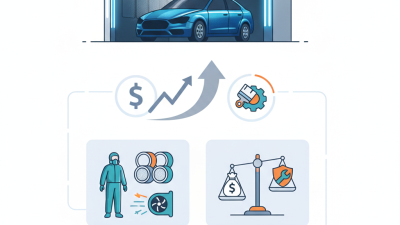
Investing in an auto body paint booth requires careful financial planning. A basic unit can start around $10,000, while advanced booths may exceed $100,000. According to a recent industry report, professionals should consider additional costs like installation, ventilation systems, and permits. These can increase the overall budget by 20% to 30%.
Operational expenses also play a significant role in long-term budgeting. Energy costs, for instance, can account for up to 15% of the total running costs. A well-maintained booth will improve efficiency and reduce paint wastage. Regular maintenance is crucial but often overlooked. This can lead to unexpected repairs, impacting budgets negatively.
Market analysis reveals a steady demand for eco-friendly options. Many buyers are now leaning towards booths with energy-efficient certifications, despite the higher upfront costs. This shift not only benefits the environment but can also save on operating expenses over time. Being aware of market trends and considering the total cost of ownership is essential for making informed decisions.
Global Market Trends and Innovations in Paint Booth Technology
The global paint booth market is evolving rapidly. Advanced technology is driving innovations in efficiency and safety. Recent reports indicate that the paint booth market is expected to grow significantly, with a compound annual growth rate (CAGR) of around 5% over the next few years. This growth is fueled by rising demand for high-quality automotive finishes and stringent environmental regulations.
One notable trend is the shift toward eco-friendly solutions. Manufacturers are adopting water-based paints to reduce volatile organic compounds (VOCs). These innovations not only improve air quality but also align with global sustainability goals. However, the challenge lies in balancing performance with eco-friendliness. Many painters find it hard to achieve the same finish quality using these new materials.
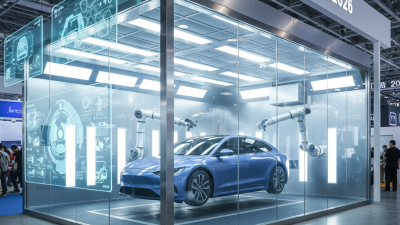
The integration of automation also plays a crucial role. Automated booths can enhance throughput and reduce labor costs. Still, some businesses struggle with the initial investment. It's essential to weigh the long-term benefits against these upfront costs. Efficient paint booths require upfront research and consideration of specific needs, as not all solutions fit every situation.
FAQS
: A downdraft paint booth pulls air from above, improving paint distribution. It reduces airborne contaminants by over 90%.
A crossdraft booth has horizontal airflow, which can lead to uneven paint thickness. It's more affordable but may require careful attention.
Side draft booths balance airflow but can encounter issues with paint application quality. This affects productivity for nearly 15% of users.
Airflow minimizes overspray and can reduce paint particles in the air by up to 90%. This improves finish quality and worker health.
Proper lighting helps technicians spot inconsistencies. Many paint jobs fail due to inadequate visibility during application, as shown by surveys.
A stable temperature of 70°F to 80°F is recommended. Deviations can cause paint sagging or premature drying, affecting the overall job quality.
A basic paint booth may start at $10,000, while advanced models can exceed $100,000. Installation and permits add 20% to 30% to the budget.
Operational costs, including energy expenses, can represent 15% of total costs. Regular maintenance is essential to avoid unexpected repairs.
Eco-friendly booths may have higher upfront costs but can save on operating expenses. Awareness of market trends can aid decision-making.
Overlooking maintenance needs and underestimating installation costs are common mistakes that could impact long-term budgets.
Conclusion
The article "Best Auto Body Paint Booth Options for Global Buyers" provides an in-depth overview of the significance and functionality of Auto Body Paint Booths in the automotive industry. It categorizes the different types of paint booths—downdraft, crossdraft, and side draft—and discusses essential features to consider during the selection process. The piece highlights the importance of compliance with safety and environmental regulations, ensuring that the chosen booth meets industry standards.
Additionally, it offers a cost analysis to help potential buyers budget effectively for an Auto Body Paint Booth, while also exploring the latest global market trends and innovations in paint booth technology. This comprehensive examination equips buyers with the knowledge necessary to make informed decisions regarding their investment in auto body paint equipment.