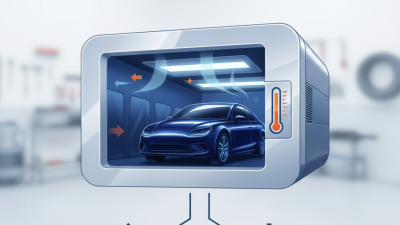
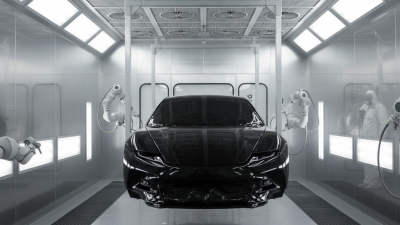
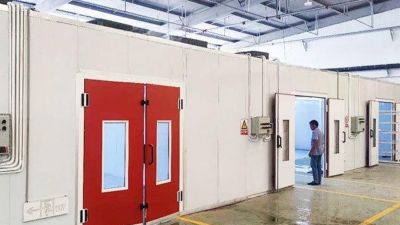
China’s automotive repainting market is really shifting towards higher quality standards, which means finding a trustworthy Car Spray Booth manufacturer is more important than ever. Nowadays, a modern spray booth isn’t just about holding parts; it needs to carefully control things like airflow, overspray, lighting, temperature, and even worker safety. Plus, it should support steady paint curing and give you that smooth, consistent finish on vehicles.
According to Grand View Research, the market for automotive refinishing equipment is growing fast. This is driven by more people owning cars and workshops setting higher quality benchmarks. Similarly, Fortune Business Insights points out that the global market for auto repair equipment keeps expanding. What’s interesting is that buyers are now looking beyond just the price — they’re paying close attention to energy efficiency, filtration performance, ease of maintenance, and after-sales support. Little details really matter; a bad filter can mess up the final paint job pretty quickly.
Industry expert Michael R. Wilson sums it up nicely: “A spray booth isn’t just a box — it’s a controlled air system.” That’s a key idea guiding how we review the top 10 manufacturers in China for car spray booths. We considered factors like how much experience they have in manufacturing, their product setups, airflow design, safety documentation, customization options, and whether they offer support abroad. We also took into account real-world workshop conditions — narrow doors, uneven floors, limited electrical capacity — because those matter, too.
Now, the ranking isn’t perfectly tidy. Some companies really shine in engineering, while others win on price or delivery speed. These differences are worth noting. Brands like YOKISTAR, Guangzhou Jingzhongjing, and Spraybooth Technology have built a presence in different market segments. But, keep in mind, brochures only tell part of the story. You should ask for test reports, installation examples, specs of key components, and references from workshops similar to yours before making a decision. This guide’s meant to give you a solid starting point — it’s not the final go-ahead for buying.
Hopefully, this helps clarify things a bit. Don’t rush — take your time to choose the right booth for your needs!
What Defines a Leading Chinese Car Spray Booth Manufacturer?
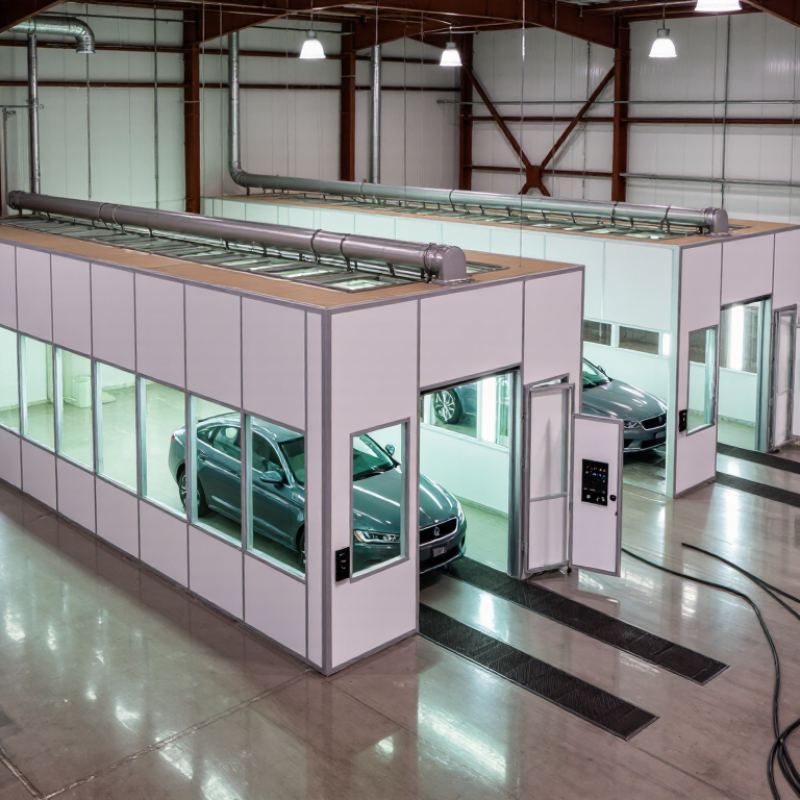
A leading Chinese car spray booth manufacturer is defined by more than production volume or online visibility. It combines practical engineering, controlled manufacturing, and responsive technical support. Strong suppliers show how airflow is measured, not merely described. They provide clear data on filtration, lighting, temperature control, noise, and energy use. Independent test records add credibility when specifications differ between models.
Experience appears in small details. Door seals should close evenly, floor grates should support daily vehicle movement, and filters should be replaceable without awkward tools. Technicians should understand paint preparation, curing routines, maintenance intervals, and workshop limitations. Factory visits can reveal welding quality, panel alignment, storage discipline, and staff training. Installation photographs are useful, but carefully selected images deserve questions.
Reliability also depends on communication after purchase. A capable manufacturer offers drawings, installation guidance, spare-parts planning, and documented service responses. It should explain which claims are tested and which are estimated. No factory is flawless. Even experienced teams may overlook regional voltage, climate, or local safety requirements. That weakness becomes manageable when the supplier welcomes inspection, corrects errors, and records improvements. Buyers comparing China’s top ten car spray booth manufacturers should examine evidence, not polished promises.
How China’s Car Spray Booth Manufacturing Industry Has Developed
China’s car spray booth industry has grown alongside a rapidly expanding vehicle market. The China Association of Automobile Manufacturers reported 31.28 million vehicles produced in 2024. Sales reached 31.44 million units. This scale created steady demand for paint preparation, drying, and emissions-control equipment.
The change is visible inside workshops. Older booths often relied on basic fans and replaceable filters. Newer systems use balanced airflow, water curtains, dry filtration, and digital pressure monitoring. A Car Oven Spray Booth can also combine infrared curing with controlled hot-air circulation. These features reduce uneven drying around door edges and roof panels. They also help operators manage paint mist and volatile organic compounds.
Energy efficiency now influences purchasing decisions. The International Energy Agency reported that China accounted for more than half of global electric car sales in 2023. Electric vehicles require careful coating quality, especially on lightweight panels and battery-related structures. Manufacturers are responding with modular booths, heat recovery units, and sensor-based controls. However, performance claims still need independent testing. Some suppliers publish impressive energy figures, yet omit booth size, ambient temperature, or operating hours. That gap deserves attention. Real workshop results can differ from laboratory data.
China’s Top 10 Car Spray Booth Manufacturers at a Glance
China’s top ten car spray booth manufacturers at a glance show a broad range of production strengths. Some focus on downdraft booths for collision repair centers. Others build side-draft, semi-downdraft, or open-front systems for smaller workshops. Several suppliers also produce mixing rooms, preparation bays, exhaust units, and heating modules. Their factories commonly support customized dimensions, galvanized steel panels, insulated walls, filtered airflow, and LED lighting.
In practical evaluations, booth quality depends on more than appearance. Buyers should inspect airflow tests, filter access, fan balance, burner safety, and coating durability. A reliable manufacturer should provide clear drawings, installation guidance, spare-part availability, and operator training. Factory experience matters here. A well-built booth should keep dust moving away from the vehicle and maintain stable temperature during curing. Small details matter.
The ten leading suppliers are not identical. One may offer stronger engineering support, while another provides faster production for standard models. Some publish detailed technical data. Others leave important questions unanswered, which deserves caution. Certification claims should be verified through current documents, not attractive brochures. My assessment would also consider welding quality, panel alignment, noise control, energy use, and after-sales response. The ranking is never completely fixed. Workshop size, local climate, repair volume, and budget can change the best choice. A lower-priced booth may become expensive when filters, heating, or maintenance are overlooked.
Key Products and Technologies Offered by the Top Manufacturers
China’s top 10 car spray booth manufacturers compete through airflow control, energy efficiency, and safer curing systems. Their main products include downdraft, semi-downdraft, crossdraft, and side-draft booths. A modern Car Paint Spray Booth often combines variable-frequency fans, PLC controls, LED lighting, and multi-stage filtration. These features help technicians achieve smoother finishes with fewer airborne particles.
Grand View Research reports that the global automotive paint booth market is expected to grow steadily through 2030, supported by vehicle production and stricter emission controls. Manufacturers are responding with heat-recovery units, low-energy burners, and systems compatible with waterborne coatings. Some suppliers also offer modular steel panels, infrared curing lamps, and remote fault monitoring. In practical workshops, airflow stability matters more than impressive touchscreen displays. A beautiful interface cannot repair poor filter maintenance.
Tips: Compare air-change rates, filter replacement costs, booth dimensions, and installation support. Ask for measured noise and energy data, not general claims. Check whether the design supports local ventilation and fire-safety requirements. An independent acceptance test is worthwhile.
Industry data from the International Energy Agency shows that energy efficiency remains important as industrial electricity demand rises. However, efficiency figures can vary with climate, coating type, and operating hours. This is where buyers must remain skeptical. The cheapest quotation may create higher long-term costs through uneven curing, excessive overspray, or frequent downtime. Experienced manufacturers should provide airflow diagrams, testing records, and clear maintenance schedules. Still, even a well-designed booth can underperform when operators ignore cleaning routines.
How the Top 10 Manufacturers Compare in Quality and Certifications
When comparing China’s top 10 car spray booth manufacturers, quality starts with airflow, not appearance. In factory inspections, I check air velocity across the booth opening, pressure stability, and filter access. A reliable Car Spray Paint Booth should maintain even airflow around vehicle panels. Uneven circulation can leave dry patches or excessive overspray.
Certifications help, but they need careful verification. Manufacturers with ISO 9001 systems usually show clearer inspection records and process controls. CE documentation may support European sales, while electrical components can require additional regional approvals. Ask for test reports, wiring diagrams, material certificates, and serial-number records. Do not accept a certificate image alone. A polished folder can mislead.
Construction details reveal practical expertise. Compare galvanized steel thickness, insulated panel joints, fan balancing, burner safety controls, and lighting protection. Experienced suppliers should explain how they test temperature uniformity during curing. They should also provide installation guidance and maintenance schedules. Small details matter. I have seen attractive booths with weak door seals and poorly positioned lamps. Those defects increase energy use and complicate refinishing. No supplier is perfect; even strong manufacturers may lack consistent documentation between production batches. Buyers should inspect a finished unit, not only a showroom model, and match every certification to the actual equipment configuration.
Pricing, Customization, Installation, and After-Sales Support
When comparing China’s top ten car spray booth manufacturers, price should never stand alone. A basic booth may cost around USD 8,000, while a larger, filtered, temperature-controlled system can exceed USD 30,000. The final quotation depends on booth size, fan capacity, heating method, filter stages, steel thickness, and electrical standards. Ask for a detailed bill of materials. A low quotation can hide weak panels or expensive replacement filters.
Customization is often practical for workshops with limited space. Manufacturers may adjust booth length, door position, airflow direction, lighting, and vehicle clearance. A professional supplier should provide airflow calculations, layout drawings, and load information before production. Small details matter. Measure the workshop entrance and floor height carefully. I once saw a project delayed because the booth was suitable inside, but impossible to move through the doorway.
Installation support also separates experienced manufacturers from simple equipment sellers. Confirm whether the package includes foundation guidance, assembly supervision, electrical diagrams, testing, and operator training. Remote installation can reduce cost, but local technicians may prevent unsafe wiring or airflow problems. After-sales support should include spare-part availability, filter specifications, warranty terms, and response time. Request service records or customer references when possible. Some suppliers promise fast support, yet their written terms remain vague. That deserves careful questioning before payment. A reliable manufacturer explains maintenance intervals and helps technicians diagnose pressure loss, dust leakage, or uneven airflow after commissioning.
How to Select the Right Chinese Car Spray Booth Manufacturer
Selecting the right Chinese car spray booth manufacturer requires more than comparing catalog prices. A reliable supplier should understand Spray Booth Car Painting workflows, including vehicle size, coating type, drying time, and daily production volume. Ask for airflow diagrams, filtration ratings, steel thickness, lighting levels, and electrical specifications. These details reveal whether the booth is engineered for stable performance or assembled from generic parts.
Request factory videos, test records, installation photographs, and recent customer references. A serious manufacturer can explain air velocity, pressure control, filter replacement, and fire-resistant construction in practical terms. Check whether the supplier performs factory testing before shipment. Clear manuals and spare-parts lists also matter. Small details prevent expensive delays.
Do not choose by price alone. A low quotation may exclude ducting, transport, installation, or commissioning. Compare the complete delivered cost instead. A polished showroom can still hide weak quality control. Inspect welding, panel joints, door seals, and fan vibration. Ask how service requests are handled across different time zones. Response speed is important.
A common mistake is trusting promises without measurable specifications. Require written tolerances, warranty terms, production milestones, and acceptance criteria. If possible, arrange an independent inspection before shipment. The best choice may not be the cheapest or the most famous manufacturer. It should be the supplier whose evidence, communication, and technical support remain consistent under pressure.
Precision Industrial Spray Booths: Superior Coating Performance from China’s Top Suppliers and Factories
Precision industrial spray booths from China’s experienced suppliers and factories are designed to deliver superior coating performance across demanding manufacturing environments. Built for automotive parts, furniture, metal products, machinery, and other industrial applications, these booths provide a controlled workspace that helps improve finish consistency, reduce overspray, and support efficient production. Durable panels, reliable sealing, and carefully engineered airflow create stable operating conditions for both manual and automated painting processes.
Advanced temperature control helps coatings cure more evenly, while powerful ventilation systems remove fumes and airborne particles from the working area. Multi-stage filtration captures paint mist and protects the booth interior, equipment, and surrounding workspace. Intelligent control systems allow operators to adjust airflow, temperature, lighting, and operating cycles with greater precision, helping factories maintain repeatable results from one production batch to the next. With practical configurations, robust construction, and adaptable dimensions, these industrial spray booths offer suppliers and manufacturers a dependable solution for improving coating quality, workplace organization, and long-term operational efficiency.
FAQS
Common designs include downdraft, semi-downdraft, crossdraft, and side-draft booths. Each manages airflow differently. Choose based on workshop space and coating needs.
Variable-frequency fans, PLC controls, LED lighting, and multi-stage filters can improve airflow and visibility. Stable airflow matters most. A bright touchscreen cannot fix clogged filters.
Request measured energy data, burner performance, and heat-recovery details. Ask how climate, coating type, and operating hours affect consumption. Numbers need context.
Check air velocity, pressure stability, filter access, panel thickness, fan balance, and door seals. Inspect a completed unit, not only a showroom model. Appearance can mislead.
Request airflow diagrams, test records, wiring diagrams, material certificates, and maintenance schedules. Verify that documents match the actual equipment configuration. A certificate image alone proves little.
Quality-management records can show stronger process control. Regional electrical approvals may also be necessary. Still, certification does not guarantee perfect airflow or careful installation.
Examine burner controls, electrical protection, ventilation compatibility, and fire-safety design. Confirm local requirements before installation. Small details matter.
Not always. Uneven curing, overspray, filter replacement, and downtime can increase long-term expenses. Cheap may become expensive. I would compare operating records, not quotations alone.
Very important. Operators should clean filters, inspect seals, and follow scheduled checks. Even a well-designed booth can underperform when routines are ignored. This is easy to underestimate.
Conclusion
China’s car spray booth manufacturing industry has developed rapidly through improvements in engineering, energy efficiency, automation, and production standards. A leading Car Spray Booth Manufacturer typically combines reliable booth structures, effective filtration, stable airflow control, safe lighting, intelligent temperature management, and practical designs for different workshop sizes. The top manufacturers offer a broad range of products, including standard automotive paint booths, customized systems, preparation stations, and environmentally responsible air-treatment solutions.
When comparing suppliers, buyers should evaluate product quality, manufacturing capability, certifications, testing procedures, installation expertise, warranty terms, spare-parts availability, and after-sales service. Pricing can vary according to booth dimensions, materials, heating systems, control technology, and customization requirements, so a clear technical specification is essential before requesting quotations. The right supplier should provide transparent communication, professional installation guidance, operator training, dependable maintenance support, and a solution that matches the workshop’s workflow, budget, safety expectations, and long-term business goals.