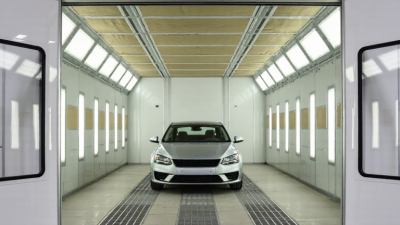
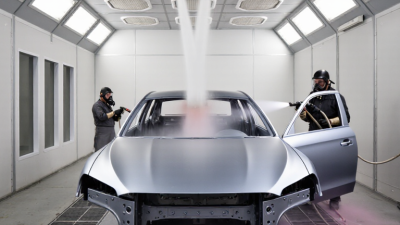
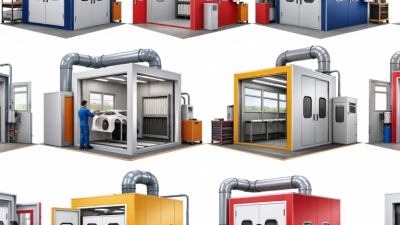
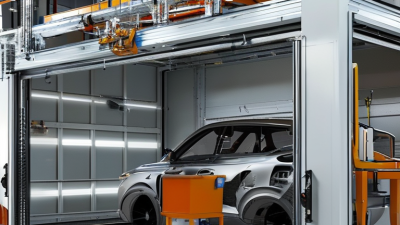
Honestly, picking a side downdraft paint booth is not just about comparing price tags—there's way more to it. You've got to think about what you're actually painting, your workspace setup, the coating process, and how your daily production flow works. So here's the thing: you want to evaluate it practically, starting with airflow direction, booth size, how easy it is to get to the filters, lighting, and even how your operators will move around inside. All these little details? They really add up and make a huge difference in both the finish quality and how efficiently your shop runs. Trust me, it's the small stuff that counts.
In real workshops, a side downdraft setup can be a pretty good middle ground – you get decent control over overspray while still having flexibility in how you set things up. Air flows across the working area first, then goes down into the exhaust filters. That usually cuts down on visible overspray around bigger panels, but honestly, it only works if you've got the airflow design right and you stay on top of maintenance. If you pick the wrong fan, or let filters get clogged, or use a booth that's too small, the whole system can fall apart quickly. The little things matter a lot.
And yeah, measure twice.
You know, when it comes to picking the right equipment, big names like Global Finishing Solutions and Spray Systems really stress the application requirements first. They've got a ton of experience, and their tech folks can walk you through comparing stuff like airflow capacity, filter stages, lighting, access doors, and control systems. But here's the thing—what they tell you is great, but it's not a substitute for actually walking through your own facility. Every shop has its own quirks, right? Ceiling heights, climate, the size of the parts you're working on, and how your ventilation is set up all matter. So take their advice, but definitely do your own on-site assessment too. Oh, and don't forget – you really need to go over those local safety rules with a qualified pro before you move forward. It's a step that's easy to overlook, but trust me, it matters.
Honestly, there's no one-size-fits-all when it comes to paint booths. A model that works great for automotive panels might totally choke on oversized industrial parts. I've seen plenty of buyers get fixated on the upfront price tag and completely ignore things like filter replacements or how much time they'll spend cleaning. Or they don't think about expanding later. That kind of mistake? It can really cost you down the road. The smart move is to weigh your current needs, how you actually operate, the support you'll get, and measurable airflow performance. This guide walks you through how to compare all that, so you can decide with way more confidence.
Define the Purpose and Workflow of a Side Downdraft Paint Booth
Choosing the right booth
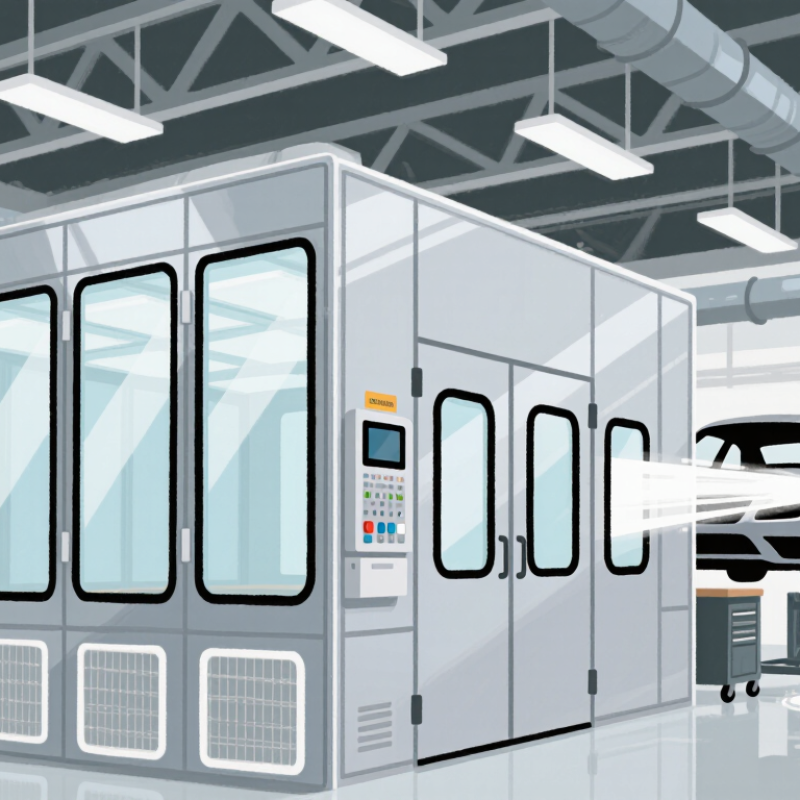
Choosing a Side Draft Paint Booth starts with its purpose, not its advertised size. Define the parts, coating type, daily volume, and finishing sequence. A motorcycle tank needs different access than a two-meter cabinet door. Record the real workflow: loading, masking, spraying, flash-off, unloading, and inspection. This simple map often exposes bottlenecks.
Airflow must support that workflow. In a side-draft design, contaminated air moves horizontally toward filtered exhaust walls. Operators need clear visibility, while overspray should travel away from freshly coated surfaces. OSHA 29 CFR 1910.94(c) identifies ventilation requirements for spray-finishing operations, including minimum airflow criteria for several booth arrangements. NFPA 33 also emphasizes exhaust ventilation, ignition control, and safety interlocks. These are design inputs, not paperwork.
Measure the largest part with doors open. Leave working clearance around the operator’s shoulders and spray gun. Small clearances become frustrating quickly. A practical Side Draft Paint Booth should match the spray distance, hose routing, filter access, and cleaning routine. EPA AP-42, Chapter 4.2, shows how coating application and transfer efficiency influence emissions estimates. That matters when comparing manual spraying with assisted systems. A rushed layout may appear productive, yet force repeated repositioning and uneven coverage. I would test the workflow with an empty booth first. That test can reveal awkward steps before equipment and ductwork become expensive commitments.
Evaluate Booth Size, Airflow, and Capture Performance
A side downdraft paint booth should be selected around three measurable factors: size, airflow, and capture performance. Leave enough clearance for the largest workpiece, operator movement, and exhaust filters. Crowded parts can create dead zones near corners. That problem is easy to miss.
OSHA 29 CFR 1910.94(c) identifies 100 feet per minute as a common minimum average face velocity for many open-face spray booths. Side downdraft designs require more than a single airflow reading. Measure velocity at multiple points, including the floor, side walls, and working zone. Uneven readings may indicate blocked filters, poor duct balance, or excessive booth loading.
NFPA 33 also emphasizes airflow monitoring, ventilation interlocks, and proper exhaust system design. These controls support safer and more consistent capture. However, a high airflow number alone does not prove good performance. I would still inspect overspray patterns after testing.
Tips: Choose a booth at least 20% larger than the biggest routine job when space allows. Verify filter pressure-drop limits before purchase. Use smoke testing to reveal turbulence around panels and operators. Record airflow during commissioning, then repeat measurements regularly. A practical checklist often catches issues that specifications overlook. Small gaps matter.
Sources: OSHA 29 CFR 1910.94(c), Ventilation for Abrasive Blasting and Spray Finishing Operations; NFPA 33, Standard for Spray Application Using Flammable or Combustible Materials.
Compare Filtration Systems and Environmental Requirements
When selecting a Side Down Draft Paint Booth, filtration should match the coating, airflow, and local emission rules. Side downdraft designs pull contaminated air downward and sideways, reducing visible overspray around the operator. However, filter performance depends on loading. A clean intake filter can show strong airflow, while a saturated exhaust filter quietly increases fan energy and pressure loss.
Use measurable requirements, not sales claims. OSHA 29 CFR 1910.107 requires mechanical ventilation for spraying operations and specifies airflow controls for spray areas. NFPA 33 also addresses booth construction, exhaust systems, and fire protection. The EPA’s AP-42, Chapter 4.2, identifies coating application and overspray as important sources of volatile organic compound emissions. These references make filtration selection an environmental decision, not merely a finish-quality choice.
In practice, compare filter efficiency, pressure drop, replacement frequency, and disposal procedures. A layered system may use an intake prefilter, overspray arrestor, and final exhaust filter. Check the technical data sheet for particle size and capture efficiency. Do not assume a higher-rated filter always performs better; airflow can collapse when resistance rises. Keep records of differential pressure and filter changes. Simple records matter. Local permitting may require VOC calculations, stack testing, or approved exhaust locations. I would also review the coating’s safety data sheet before choosing filters, because water-based and solvent-based materials create different ventilation demands. The imperfect part is forecasting maintenance: production volume, humidity, and operator technique can change filter life dramatically.
Check Construction Materials, Safety Features, and Compliance
Choosing a Side Draft Booth starts with its construction materials. Look for rigid galvanized steel panels, sealed joints, and corrosion-resistant fasteners. Welded seams can reduce air leakage around the working area. Inspect the booth with a flashlight. Small gaps often reveal weak installation work.
Safety features deserve equal attention. Confirm steady airflow across the operator’s breathing zone, clear pressure gauges, and accessible emergency stops. Electrical components should suit areas where paint vapors may occur. The booth also needs effective grounding, suitable filters, and a documented fire protection system. Door interlocks can prevent spraying when airflow is unsafe. A clean floor matters too. Overspray buildup creates avoidable hazards.
Tips: Ask for airflow test records, filter replacement guidance, and maintenance logs. Check whether the layout meets local fire, workplace, and environmental requirements. Do not accept “compliant” without written evidence. During inspections, I would test alarms and observe airflow, not just read specifications. A shiny exterior can mislead. One overlooked gap may affect performance. Compliance requirements vary by location, and installers sometimes interpret them differently. Verify details with the relevant authority before purchase.
Assess Lighting, Access, Maintenance, and Operating Convenience
Choosing a Side Draft Spray Booth starts with how people work inside it, not only airflow figures. Lighting should reveal thin edges, pinholes, and uneven color without harsh reflections. Place sealed, easy-to-clean fixtures along the walls and ceiling. Stand inside the booth before purchasing. A test panel can expose shadows that a brochure will miss. Bright light is not always useful.
Access deserves equal attention. Wide doors, low thresholds, and clear paths help operators move panels, carts, and cleaning tools safely. Check whether the opening fits your largest realistic project, not just today’s sample. Controls should remain reachable without crossing the spray area. Small details matter. A viewing window, glove access, and external controls can reduce unnecessary entry. Convenience must not weaken containment or ventilation. Verify the design with qualified safety professionals and applicable local requirements.
Maintenance becomes easier when filters, lights, and exhaust points are visible and reachable. Ask how often each component needs inspection, and allow room for removal. A booth requiring major dismantling will eventually receive less care. Keep floors smooth, corners simple, and surfaces compatible with approved cleaning methods. Record pressure readings and filter changes. My judgment remains cautious here: operating cost estimates often overlook downtime, replacement access, and staff training. Walk through a complete cleaning routine before committing. If the process feels awkward, it probably is.
Compare Installation Needs, Energy Use, and Total Ownership Cost
Choosing a side downdraft paint booth requires more than comparing the purchase price. The installation plan often determines the real budget. Measure ceiling height, floor space, duct routes, service access, and nearby equipment before ordering. A side downdraft design may need carefully balanced intake and exhaust airflow. Poor balance can leave overspray near corners or increase drying time. Local fire, electrical, ventilation, and workplace requirements should be reviewed with qualified professionals.
Energy use deserves close attention. Fan motors, heated makeup air, lighting, and filter pressure all affect monthly consumption. A booth with efficient motors may still use excessive power when clogged filters restrict airflow. Track pressure readings and replace filters before the fan works harder. Variable-speed controls can reduce energy during preparation or lower-demand work. However, controls add complexity and require trained maintenance. Small savings can disappear if operators bypass them.
Total ownership cost includes installation, commissioning, inspections, filters, repairs, cleaning, and lost production time. In practical evaluations, access to the fan and filter sections often matters more than appearance. I once underestimated maintenance clearance and paid for avoidable service delays. That mistake changed the layout, but not cheaply. Compare five-year operating estimates, not only equipment quotations. Include heating costs for your climate and realistic daily operating hours. A lower-priced booth can become expensive when ductwork, electrical upgrades, or frequent filter changes are added. There is no perfect calculation; production patterns change, and estimates need regular review.
How to Choose a Side Downdraft Paint Booth? - Compare Installation Needs, Energy Use, and Total Ownership Cost
Typical planning ranges for enclosed side-downdraft paint booths
| Booth Configuration |
Typical Interior Size
(W × L × H) |
Recommended Airflow
(CFM) |
Approx. Installed Footprint
(W × L) |
Connected Fan and
Make-Up-Air Load |
Required Clear Height |
Typical Installation
Lead Time |
Indicative Equipment
and Installation Cost |
Estimated Annual Fan
Electricity Use* |
Typical Annual
Maintenance Cost |
Estimated 10-Year
Total Ownership Cost** |
Best Fit |
| Compact Booth |
16 × 12 × 8 ft
4.9 × 3.7 × 2.4 m
|
12,000–18,000 |
20 × 16 ft
6.1 × 4.9 m
|
15–25 kW |
12–14 ft
3.7–4.3 m
|
2–4 weeks |
US$35,000–60,000 |
18–30 MWh
US$2,200–3,600/year
|
US$2,000–4,000 |
US$100,000–175,000 |
Small parts, low production volume, limited floor space |
| Standard Production Booth |
24 × 14 × 10 ft
7.3 × 4.3 × 3.0 m
|
20,000–30,000 |
29 × 18 ft
8.8 × 5.5 m
|
25–40 kW |
14–16 ft
4.3–4.9 m
|
4–7 weeks |
US$50,000–85,000 |
30–48 MWh
US$3,600–5,800/year
|
US$3,000–6,000 |
US$155,000–275,000 |
General industrial work, body panels, regular daily production |
| Large Vehicle Booth |
30 × 16 × 12 ft
9.1 × 4.9 × 3.7 m
|
30,000–45,000 |
36 × 20 ft
11.0 × 6.1 m
|
40–65 kW |
16–20 ft
4.9–6.1 m
|
6–10 weeks |
US$80,000–140,000 |
48–78 MWh
US$5,800–9,400/year
|
US$5,000–10,000 |
US$255,000–460,000 |
Cars, vans, large panels, high daily utilization |
| Extra-Large Custom Booth |
40 × 20 × 14 ft
12.2 × 6.1 × 4.3 m
|
45,000–70,000 |
47 × 24 ft
14.3 × 7.3 m
|
65–100 kW |
20–24 ft
6.1–7.3 m
|
10–16 weeks |
US$140,000–240,000 |
78–120 MWh
US$9,400–14,400/year
|
US$8,000–16,000 |
US$450,000–800,000 |
Heavy vehicles, oversized parts, continuous or multi-shift operation |
Planning assumptions:
Values are typical engineering ranges for side-downdraft systems and should be verified through a site-specific design review.
Airflow should be confirmed against the booth opening, face velocity, filter loading, and applicable local ventilation requirements.
Energy calculation:
Annual fan electricity assumes approximately 2,000 operating hours per year, an average motor load factor of 60%, and an electricity rate of US$0.12 per kWh.
Heating or cooling energy for make-up air is excluded because it varies substantially by climate, fuel type, set point, insulation, and operating schedule.
Total ownership cost:
Ten-year estimates include equipment, typical installation, fan electricity, filters, routine maintenance, and common wear parts.
Building modifications, permits, fire-suppression upgrades, hazardous-material compliance, paint materials, labor, taxes, and financing costs are excluded.
Automotive Paint Booth Market Outlook: Space-Saving Retractable Solutions for China Sourcing—Grand View Research Analysis
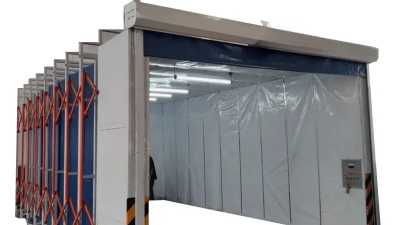
The automotive paint booth market is increasingly turning toward space-saving solutions as repair centers, industrial workshops, and custom finishing facilities seek greater flexibility. Retractable paint booths are particularly attractive for China sourcing because they combine efficient use of floor space with the controlled environment required for high-quality coating work. The booth can be extended when painting is underway, creating sufficient clearance for vehicles, parts, operators, and supporting equipment. Once the task is complete, it retracts to free valuable workshop space for maintenance, storage, or vehicle movement.
Designed for practical workshop demands, this compact system supports more organized production without sacrificing painting performance. Its structure can help establish a cleaner, more consistent working area, while integrated safety features and efficient airflow management contribute to dependable operation. China-based suppliers and factories offer configurable solutions for automotive repair centers, industrial component finishing, and specialized workshops, with options tailored to different vehicle sizes, workspace layouts, and operating requirements. For buyers evaluating the automotive paint booth market, retractable designs provide a balanced combination of space optimization, operational efficiency, and professional finishing capability.
Conclusion
Choosing the right Side Downdraft Paint Booth begins with a clear understanding of your coating tasks, workpiece dimensions, production volume, and preferred workflow. Evaluate the booth’s internal size, airflow pattern, and capture performance to ensure overspray and fumes are effectively drawn downward and away from the work area. The filtration system should match the coating materials and environmental requirements, while the booth’s construction materials, fire protection, grounding, and safety controls should support reliable and compliant operation.
Also consider practical features that affect daily productivity, including lighting quality, door and loading access, filter replacement, cleaning, and routine maintenance. Installation conditions, ventilation connections, energy consumption, and noise levels should be reviewed before purchase. Rather than focusing only on the initial price, compare expected maintenance, filter, energy, and operating costs over the booth’s service life. A well-selected Side Downdraft Paint Booth should provide balanced performance, safe operation, convenient maintenance, and a total ownership cost suited to your facility and production goals.