- Home
- Products
- News
- About Us
- Contact Us
Leave Your Message
A Downdraft Spray Booth moves contaminated air downward through the work area. It pulls overspray away from the painter, product, and breathing zone. Fresh air enters through the ceiling or upper plenum. Air then travels vertically across the coated surface. Finally, exhaust filters capture paint particles before treated air leaves the booth.
The principle sounds simple. It is not. Airflow depends on fan capacity, filter loading, booth design, and operator habits. A blocked floor filter can change spray behavior within hours. Poorly balanced airflow may create turbulence around a vehicle hood or metal panel. That turbulence can produce uneven finishes, dry spray, or visible dust marks.
According to industrial finishing engineer Mike Baker of Global Finishing Solutions, “Air movement must support the finish, not fight the applicator.” This practical view reflects years of booth design and application experience. However, the statement needs careful interpretation. Stronger airflow is not automatically better. Excessive velocity can waste material and disturb wet coatings. Insufficient velocity can leave overspray suspended near the operator.
A well-designed Downdraft Spray Booth combines controlled velocity, efficient filtration, suitable lighting, and regular maintenance. Operators should inspect filters, observe pressure readings, and check airflow changes. Small warning signs matter. A faint paint smell, uneven gloss, or drifting overspray may reveal a developing problem. Even experienced teams can miss these clues. That is why booth performance should be measured, documented, and reviewed over time. The system is engineered equipment, but daily judgment still matters.
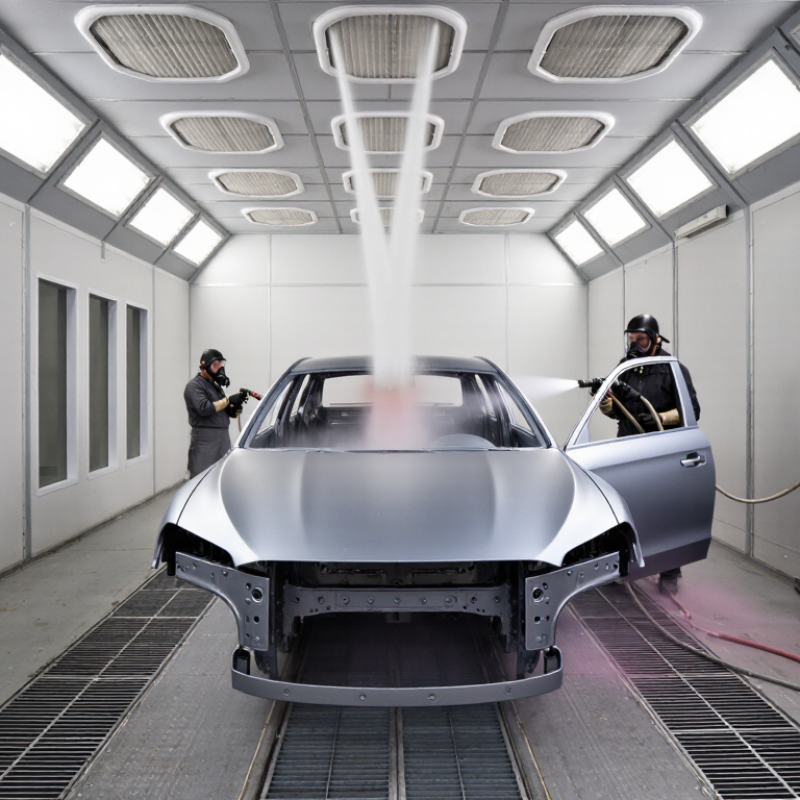
A downdraft spray booth is an enclosed finishing area that draws contaminated air downward through the work zone. Supply air enters from the ceiling, passes over the coated surface, and moves toward a grated floor or lower exhaust plenum. This arrangement carries overspray, solvent vapor, and dust away from the operator’s breathing area. Its purpose is clear: improve finish quality while controlling airborne contaminants and fire risks.
The U.S. Occupational Safety and Health Administration requires spray-booth airflow to move toward the exhaust outlet. For automobile spray booths, OSHA 29 CFR 1910.94(a) specifies an average air velocity of at least 100 feet per minute across the booth’s open area. That figure is a useful design reference, not a substitute for testing. Technicians should verify airflow with calibrated instruments, inspect filters, and check pressure changes during actual spraying.
NFPA 33 also treats ventilation, ignition control, and combustible-material management as connected safety duties. In a properly adjusted booth, a painted panel may feel almost still while the air quietly pulls mist downward. That calm appearance can mislead. Blocked filters, uneven airflow, or poor booth loading can create dead zones. The system may look clean but perform badly. Even experienced operators sometimes trust the fan sound too much. Airflow readings, maintenance records, and worker observations provide stronger evidence than appearance alone.
| Data Dimension | Accurate Description | Practical Purpose |
|---|---|---|
| Definition | A downdraft spray booth is an enclosed finishing workspace that draws contaminated air downward through the work area and exhausts it through a filtered air-handling system. | Provides a controlled environment for spray painting, coating, and related finishing operations. |
| Airflow Direction | Air moves from the upper part of the booth toward the floor, generally in a vertical downward path. | Carries overspray, dust, and airborne coating particles away from the painted surface and the operator’s breathing zone. |
| Air-Intake Location | Clean replacement air is typically introduced through a ceiling-mounted plenum or filtered ceiling system. | Helps create a more uniform airflow and reduces the entry of airborne contaminants. |
| Exhaust Location | Air is collected through a grated floor, floor channels, or a recessed exhaust pit connected to the booth’s exhaust system. | Removes contaminated air from the lowest point of the work zone. |
| Main Air-Movement Components | Typical components include supply filters, a supply plenum, exhaust filters, an exhaust fan, ductwork, and control equipment. | Controls, filters, and transports the airflow through the booth. |
| Overspray Control | Overspray is captured by exhaust filters or collection media after being drawn away from the workpiece. | Reduces the amount of coating residue that settles on the painted surface and booth interior. |
| Finish Quality | The vertical airflow pattern can help limit dust and overspray recirculation around the workpiece when the booth is properly designed and maintained. | Supports a smoother, cleaner, and more consistent coating finish. |
| Operator Environment | The airflow is designed to move airborne contaminants away from the operator, but it does not replace suitable respiratory protection or other required personal protective equipment. | Improves contaminant management while supporting a safer working environment. |
| Typical Applications | Common uses include automotive refinishing, industrial equipment coating, furniture finishing, metal painting, and other spray-applied surface treatments. | Suitable for operations requiring controlled application and drying conditions. |
| Booth Pressure | Many spray booths operate under negative pressure, meaning the exhaust airflow is greater than the incoming airflow. | Helps prevent contaminated air from escaping into adjacent work areas. |
| Filter Maintenance | Supply and exhaust filters must be inspected and replaced or cleaned according to their condition, pressure drop, and applicable requirements. | Maintains designed airflow, finish quality, and safe operating conditions. |
| Fire and Explosion Risk | Many spray coatings and solvents can produce flammable vapors or combustible overspray, creating hazards if ignition sources are present. | Requires appropriate booth construction, ventilation, electrical equipment, housekeeping, and operating procedures. |
| Airflow Verification | Airflow should be checked using appropriate measurements, such as face velocity, static pressure, or airflow-volume testing, depending on the system design. | Confirms that the booth is operating close to its intended performance. |
| Advantages | Typical advantages include improved overspray removal, reduced surface contamination, better visibility during spraying, and a controlled finishing environment. | Can improve productivity and coating consistency when correctly designed and operated. |
| Limitations | A downdraft booth may require substantial floor construction, adequate exhaust infrastructure, regular filter changes, and higher installation or operating costs than simpler booth designs. | These factors should be considered during facility planning and equipment selection. |
| Core Operating Principle | Filtered air enters above the workpiece, flows downward across the spraying zone, captures airborne contaminants, passes through exhaust filtration, and exits through the exhaust system. | Creates a predictable path for managing overspray and contaminated air. |
Note: Actual airflow, filtration, construction, and safety requirements depend on the coating materials, booth design, local regulations, and the applicable occupational and fire-safety standards.
Modern furniture production demands more than attractive design; it requires repeatable coating quality, controlled drying, and efficient use of energy. Advanced furniture spray booths provide a stable environment for applying paints, stains, and protective finishes to wooden products. According to the U.S. Department of Energy, compressed-air systems can represent a significant share of industrial electricity consumption, making efficient airflow design and leak control important considerations for factories. A professionally engineered booth supports balanced ventilation, reduces overspray, and helps maintain consistent coating thickness across different production batches.
Built for both small workshops and high-volume facilities, these booths combine effective insulation with powerful exhaust systems and customizable heating options. Controlled temperature and airflow can shorten curing cycles while reducing surface defects such as runs, uneven gloss, and dust contamination. The European Environment Agency’s emissions guidance emphasizes that coating operations should be managed through suitable ventilation and process controls, particularly when using solvent-based materials. High-quality filtration and properly designed exhaust pathways therefore contribute to a cleaner workplace and more stable production conditions.
As a China-based equipment supplier, we provide customizable spray booth solutions manufactured to rigorous industrial standards. Configurations can be adapted for different furniture dimensions, coating materials, production volumes, and factory layouts. Energy-conscious heating systems, durable construction, safety interlocks, and accessible maintenance points help manufacturers improve operational reliability while pursuing precise, repeatable finishes.
It is an enclosed workspace that pulls contaminated air downward through floor grating. Clean air enters above the workpiece.
Downward airflow carries paint mist away from the breathing zone. This can reduce exposure, but proper protective equipment remains necessary.
One strong reading can hide weak airflow near the floor. A balanced pattern protects surfaces and supports a more consistent finish.
Open doors, blocked filters, poor loading, and damaged seals can interrupt the air stream. Small gaps matter.
They can review pressure readings and airflow measurements. Smoke visualization may reveal weak corners that gauges miss.
Inspect filters before each shift. Replace them when coating buildup restricts airflow or raises static pressure.
Clean walls with approved non-sparking tools. Check ducts, fans, alarms, interlocks, and emergency controls regularly.
Weak suction, unusual smells, damaged wiring, and heavy filter loading need prompt attention. Delays can make problems worse.
Common applications include vehicle refinishing, furniture coating, metal finishing, and industrial paint work. Workshop habits still vary.
No. A checklist supports consistent inspections, but it cannot identify every airflow or safety problem. That limitation deserves honest attention.
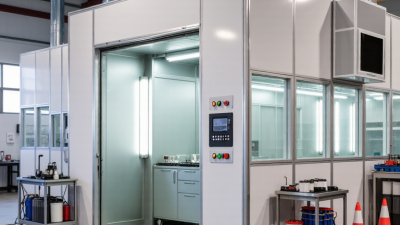
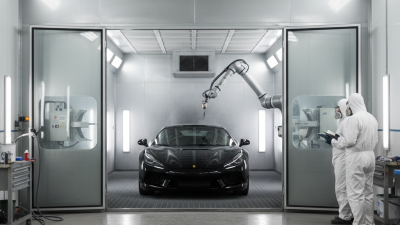
A Downdraft Spray Booth is an enclosed workspace designed to apply coatings while controlling overspray, fumes, dust, and other airborne contaminants. Its main components typically include a sealed work area, grated floor, intake airflow system, filters, exhaust ducts, lighting, and safety controls. Unlike systems that move air horizontally, downdraft ventilation draws air from above or around the operator downward through the work zone, helping direct contaminants away from the breathing area and toward the floor-level collection system.
During spraying, the controlled airflow carries excess coating particles and vapors into filters that capture contaminants before the remaining air is exhausted or treated. Proper filtration and exhaust design help maintain air quality, improve coating consistency, and reduce buildup inside the booth. Safe operation requires suitable protective equipment, regular filter replacement, airflow inspections, cleaning, and maintenance of electrical and ventilation components. Downdraft Spray Booth systems are commonly used for vehicle finishing, industrial coating, furniture production, and other controlled spray applications where cleanliness, efficiency, and worker protection are important.