China has really turned into a major manufacturing base for automotive finishing equipment. Its suppliers work with vehicle plants, collision-repair centers, and custom workshops all over the world. And according to MarketsandMarkets, the global paint booth market might grow from around USD 1.2 billion in 2024 to almost USD 1.6 billion by 2029. Automotive applications? They're still a big part of what's driving demand.
So yeah, that kind of growth? It makes choosing the right supplier a lot more complicated. If you want a dependable Automotive Spray Booth, it has to handle airflow, filtration, lighting, temperature, and overspray control. And honestly, it should also back that up with documented testing and a consistent maintenance routine. As Ron Joseph—an industrial air-pollution-control specialist—puts it, “Capture efficiency comes before control efficiency.” Which, really, just makes practical sense. Look, just because a booth is bright doesn’t mean it’s automatically safe—or efficient, for that matter.
So, this guide takes a look at some of the top automotive spray booth manufacturers in China—judging them by things like technical know-how, production experience, export history, and after-sales support. You'll see names like Spraybooth Technology, YOKISTAR, and Guangzhou Guangli, and they might offer different setups: downdraft, crossdraft, semi-downdraft, and so on. But here's the thing—product claims still need a close look. A lot of online listings throw around impressive airflow numbers, yet they don't say much about how those numbers were tested. And honestly? That gap matters.
If you're buying, ask for the airflow numbers, filter specs, fan details, coating compatibility—and maybe some installation references too. Don't sleep on energy use, either. When a booth is running nonstop, even small design choices can quietly turn into serious operating costs. China's manufacturing depth is seriously impressive, no doubt. But quality? It's all over the place. And yeah, that's a bit uncomfortable to admit. So this overview leans toward evidence you can actually trace—not just marketing speak. That said, it also keeps in mind that how things get installed locally can really affect how they perform in the real world.
Definition and Role of Automotive Spray Booths in China
Top China Automotive Spray Booth Manufacturers
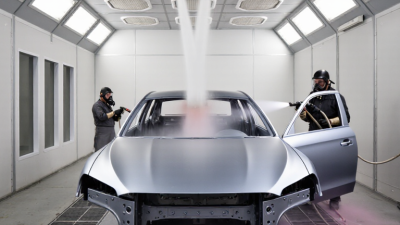
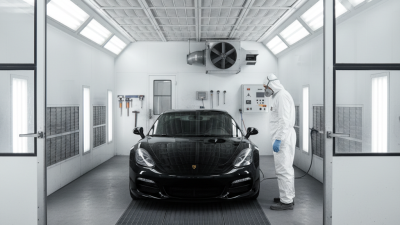
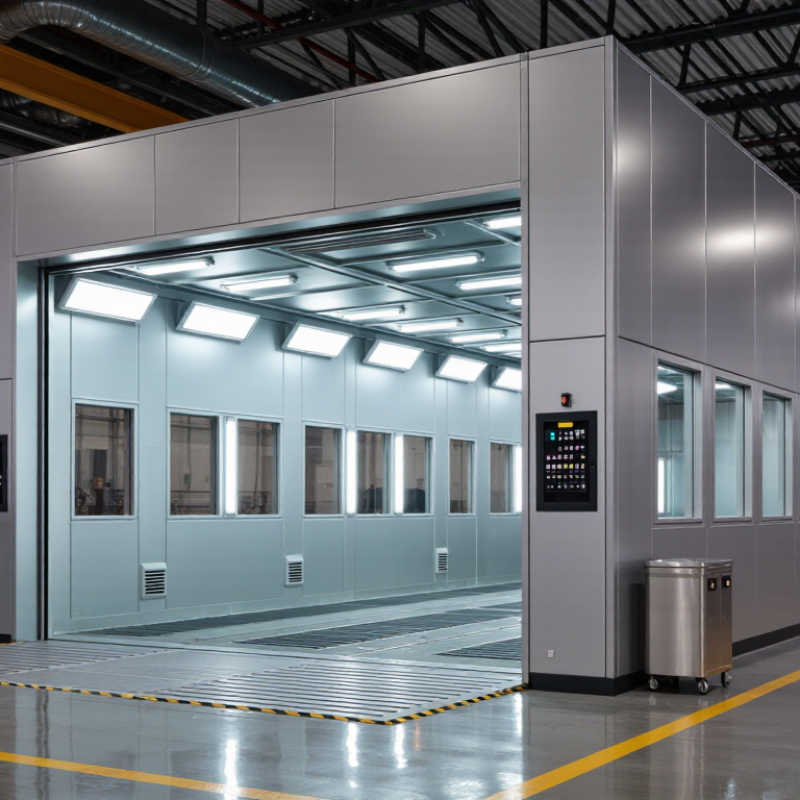
An automotive spray booth is an enclosed workspace for applying paint to vehicles under controlled conditions. In China, it supports repair centers, vehicle factories, and specialized refinishing workshops. The booth manages airflow, filtration, lighting, temperature, and paint mist. This protects surface quality and reduces airborne contamination during spraying. A well-designed booth also helps workers follow safer operating procedures and maintain cleaner production areas.
Its role is practical, not decorative. Even airflow helps prevent uneven color, dry spray, and dust marks on doors or bumpers. Filter panels collect overspray before exhaust air leaves the working zone. Clear visibility helps technicians inspect metallic finishes under bright, balanced lighting. From field observations, booth performance often depends on maintenance rather than equipment size. Some workshops focus on capacity but overlook blocked filters and unstable airflow. That is an expensive mistake. Energy use, noise, installation space, and local environmental requirements also deserve careful evaluation.
Tips: Check airflow readings regularly, and replace filters before they become visibly dirty. Keep lighting clean and inspect door seals for gaps. Record temperature and humidity during important refinishing work. Ask manufacturers for test data, maintenance guidance, and installation support. A cheaper booth may look attractive, but its operating cost can quietly increase. Performance should be judged over months, not during one showroom visit.
Key Types of Automotive Spray Booths Manufactured in China
Top China Automotive Spray Booth Manufacturers
Chinese manufacturers produce several automotive spray booth types for different workshop sizes and paint volumes. The Automotive Paint Spray Booth remains a common choice for collision repair centers. Its filtered airflow moves paint mist away from the vehicle, while bright LED lighting exposes uneven coverage. Downdraft models pull contaminated air through the floor, offering cleaner results and better operator visibility. They require stronger foundations and more installation space.
Side-downdraft booths balance performance and cost. Air enters through the ceiling and travels toward filtered side walls. This design suits many medium-sized body shops. Crossdraft booths are simpler, with airflow moving from the front to the rear. They can reduce purchasing costs, but dust control depends heavily on filter maintenance. Some Chinese factories also manufacture enclosed preparation stations, mixing rooms, and water-wash booths for specific production needs.
Practical inspections should check panel sealing, fan vibration, filter access, and emergency controls. Small gaps matter. A poorly aligned door can disturb airflow and increase cleaning time. Digital temperature controls improve repeatability, although calibration may still require local technicians. Energy-saving motors sound attractive, but actual savings depend on daily operating hours and maintenance habits. No booth is perfect. Buyers should compare airflow tests, steel thickness, coating quality, and after-sales response instead of trusting photographs alone.
Automotive spray booths manufactured in China commonly include downdraft, semi-downdraft, crossdraft, side-draft, and open-face preparation booths. The chart compares representative airflow velocities used in booth planning. Actual values vary according to booth size, filter design, paint system, and local safety requirements.
Core Technologies Used by China’s Leading Manufacturers
China’s leading automotive spray booth manufacturers are investing in airflow control, energy recovery, and digital monitoring. The China Association of Automobile Manufacturers reported 30.16 million vehicles produced in 2023. That scale demands repeatable finishing, not just larger equipment.
Clean airflow matters most.
Modern booths use variable-frequency fans, pressure sensors, and multi-stage filtration to maintain stable air movement around vehicle panels. Infrared curing can shorten drying time, while heat-recovery systems reduce energy loss from exhaust air. The International Energy Agency reported that China accounted for nearly 60% of global electric car sales in 2023. Electric vehicles often require careful coating control, especially around lightweight panels and battery-related components. Low-VOC paint compatibility is becoming practical, not optional.
Digital controls add another layer.
PLC systems record temperature, humidity, pressure, and filter status during each cycle. This data helps technicians trace defects such as dust marks, orange peel, or uneven gloss. Some manufacturers also integrate thermal oxidizers or catalytic treatment for solvent emissions. Yet technology alone cannot guarantee results. A booth may look advanced while clogged filters quietly damage finish quality. Maintenance discipline remains the weak point. I have seen specifications promise efficient operation, but real performance depends on calibration, operator training, and honest energy measurements. Reports from the International Energy Agency and national automotive statistics are useful references, though factory conditions still require independent testing.
Quality Standards and Safety Features to Evaluate
Top China Automotive Spray Booth Manufacturers: Quality Standards and Safety Features to Evaluate
Choosing an Automotive Refinish Spray Booth requires more than checking panel size or delivery speed. The International Labour Organization estimated 2.78 million work-related deaths annually in its 2019 safety report. That figure makes ventilation, fire prevention, and worker exposure practical priorities, not marketing phrases.
Ask Chinese manufacturers for documented airflow tests, filter-efficiency results, and electrical inspection records. OSHA Standard 29 CFR 1910.107 requires controlled ventilation, suitable electrical equipment, and safe separation from ignition sources. NFPA 33 also provides detailed guidance for spray application facilities. A credible supplier should explain how its booth supports these requirements, even when local certification rules differ.
Look closely at the floor, lighting, doors, and emergency controls. Uniform airflow should pull overspray away from the painter, without creating visible turbulence around the vehicle. LED fixtures need sealed housings and easy maintenance access. Pressure gauges should be readable from the operator’s position. Ask whether replacement filters are commonly available and whether the fan can maintain performance after loading.
A clean booth is not automatically a safe booth. I would question impressive airflow numbers without test conditions, air volume, or measurement locations. Some specifications also overlook noise and heat. That omission matters during long shifts. Factory inspection photos help, but witnessed testing is stronger evidence. Reports aligned with ISO 9001 procedures can improve traceability, although certification alone cannot prove real-world booth performance.
Major Manufacturing Regions and Supplier Capabilities
China’s automotive spray booth manufacturing is concentrated in several practical industrial regions. The Yangtze River Delta supports precision fabrication, electrical integration, and dense supplier networks. The Pearl River Delta is strong in sheet-metal processing, modular assembly, and export-oriented engineering. Around the Bohai Rim, manufacturers often draw on heavy equipment, automation, and industrial coating experience. Central provinces offer expanding capacity and competitive production costs. Regional strengths vary more than online catalogs suggest.
A capable supplier should provide more than a painted enclosure. Experienced teams calculate airflow, heat recovery, filtration stages, lighting levels, and door sealing for each workshop. They should show test records, material specifications, wiring diagrams, and maintenance schedules. Practical factories also inspect fan vibration, filter access, and emergency controls before shipment.
Booth Automotive
projects benefit from clear communication between the booth maker, installer, and vehicle refinishing team. Small omissions become expensive during installation.
Reliable manufacturers usually offer customization for passenger vehicles, buses, commercial fleets, or component parts. They may adapt booth length, rail layout, curing temperature, and exhaust direction. Ask how performance is verified after commissioning, not only how the booth looks. This is where supplier capability becomes measurable. Some factories still rely on generic drawings and optimistic delivery promises. That weakness deserves attention. Buyers should compare airflow data, service response, spare-part access, and documented compliance with applicable standards. A factory visit can reveal uneven welds, poor cable routing, or rushed assembly that photographs hide.
How to Select a Suitable Chinese Spray Booth Manufacturer
Top China Automotive Spray Booth Manufacturers: How to Select a Suitable Chinese Spray Booth Manufacturer
Choosing a Chinese Automotive Paint Booth manufacturer requires more than comparing prices. Define your vehicle sizes, daily workload, coating materials, and workshop space. Request airflow data, filtration efficiency, curing temperature, lighting levels, and fan noise records. A serious manufacturer should provide drawings, material specifications, installation instructions, and maintenance schedules. Visit the factory online or in person. Watch how workers seal panels, install filters, and test electrical controls. Small details often reveal production discipline.
Check whether the supplier understands your local safety requirements and operating conditions. Ask for references from facilities with similar vehicle volumes. Confirm replacement filter availability, response times, warranty coverage, and technician training. Inspect the booth structure carefully. Galvanized steel, sealed joints, protected lighting, and accessible filter frames support safer, cleaner work. Do not accept vague claims such as “high performance.” Request measurable test results. A perfect checklist does not exist. Your real workflow may expose needs you missed during planning.
Tips: Compare complete costs, not only the quotation. Ask for a sample layout. Test communication speed. Clarify installation responsibility. Keep every specification in writing. Leave space for future equipment. A cheaper booth can become expensive when filters, repairs, or downtime are overlooked. I would also question unusually short delivery promises. They may be possible, but they deserve evidence.
How to Choose a High-Performance Car Spray Booth from China’s Top Suppliers and Factories
Selecting a high-performance car spray booth from China’s top suppliers and factories requires careful attention to airflow, filtration, temperature control, construction quality, and after-sales support. A reliable booth should provide balanced air circulation to reduce dust, overspray, and uneven coating. Advanced filtration systems help maintain a clean working environment, while adjustable temperature and humidity controls support faster drying and more consistent paint results across different seasons.
When comparing suppliers, buyers should examine the booth’s panel materials, sealing performance, lighting layout, fan capacity, heating system, and energy consumption. Durable insulated panels and corrosion-resistant components can improve service life, while high-efficiency motors and intelligent control systems help reduce operating costs. It is also important to confirm whether the factory can customize booth dimensions, door configurations, airflow direction, and heating options for small repair shops, commercial workshops, or large auto body facilities. Clear technical documentation, installation guidance, spare-part availability, and responsive service are valuable indicators of dependable manufacturing capability.
A well-designed car spray booth creates a controlled environment for vehicles of various sizes, helping technicians achieve smooth, uniform finishes with fewer defects. Strong safety features, effective exhaust treatment, emergency controls, and compliance with applicable industrial requirements should be evaluated before purchase. By comparing production experience, quality inspection procedures, customization ability, delivery capacity, and total operating costs, automotive businesses can select equipment that supports efficient painting operations and long-term workshop performance.
FAQS
Variable-frequency fans and pressure sensors help maintain stable airflow around vehicle panels. Multi-stage filters capture overspray and dust. Consistent airflow matters.
Infrared curing can shorten drying time for suitable coatings. It may also reduce waiting between finishing stages. Results depend on coating type, panel material, and calibration.
Heat-recovery systems reuse warmth from exhaust air. This can reduce energy loss and operating costs. Actual savings require honest measurements under working conditions.
A control system should record temperature, humidity, pressure, and filter status. These records help trace dust marks, orange peel, and uneven gloss. Data alone does not fix poor maintenance.
Check ventilation, sealed lighting, emergency controls, readable pressure gauges, and safe electrical equipment. Doors and floors should support easy cleaning. Small details matter.
Request airflow test results, measurement locations, air volume, and test conditions. Witnessed testing offers stronger evidence than factory photographs. Numbers without context can mislead.
Many modern booths support low-VOC coatings. Confirm temperature control, filtration, ventilation, and curing requirements before purchase. Compatibility should be tested with the intended coating process.
Filters should be commonly available and easy to replace. Loaded filters can reduce fan performance and damage finish quality. A polished booth can still fail quietly.
Lightweight panels often require careful coating control. Temperature, airflow, and curing must remain stable around sensitive components. The exact process still needs independent testing.
Certification can improve documentation and traceability, but it cannot prove every operating result. Check calibration, training, noise, heat, and long-shift comfort. I would verify performance personally.
Conclusion
China has become an important manufacturing base for Automotive Spray Booth systems, supplying solutions for vehicle painting, refinishing, and industrial coating operations. These booths are designed to control airflow, temperature, lighting, and overspray, helping improve finish quality while protecting workers and surrounding areas. Chinese manufacturers commonly produce downdraft, semi-downdraft, crossflow, and side-downdraft models, each suited to different workshop sizes, vehicle types, and production requirements.
Leading suppliers increasingly apply variable-speed ventilation, efficient filtration, energy-saving heating systems, intelligent controls, and fire-resistant construction. When evaluating a booth, buyers should examine compliance with applicable quality and safety standards, ventilation performance, filtration efficiency, emergency protection, maintenance access, and overall operating costs. Major production regions offer diverse capabilities, from customized workshop planning and modular fabrication to installation support and after-sales service. Selecting a suitable Chinese manufacturer requires comparing technical specifications, material quality, production experience, customization flexibility, testing procedures, delivery capacity, and long-term support to ensure the booth matches both current operations and future expansion plans.