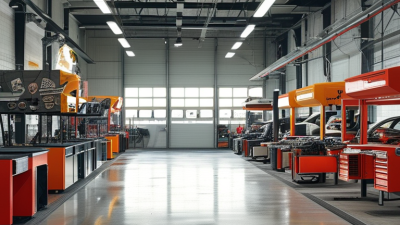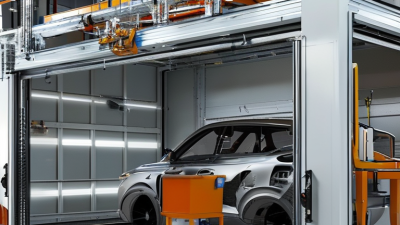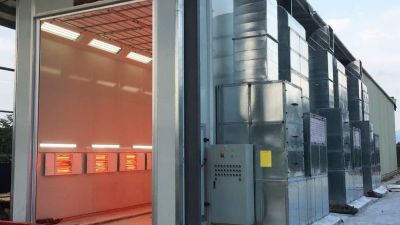
You might think a great paint job starts when the spray gun goes off—but honestly, it starts way before that. The car paint booth you pick? It’s not just about airflow or finish quality, though those matter a ton. It changes your energy bills, your everyday workflow, and even how consistently your techs can nail a color match when it actually counts.
Things are shifting in this market. Grand View Research pegged the global automotive refinish coatings market at around $10.44 billion in 2023, and they see it keep growing through 2030. Now, that number is about coatings, not booth sales—but it still tells you there's plenty of refinishing work ahead. The Bureau of Labor Statistics, meanwhile, only expects employment for auto body and glass repairers to grow 2% between 2023 and 2033. Which, yeah, isn't huge. But every repair still needs a controlled environment.
Let's be honest—a booth is way more than just a bright room with filters. You've got to think about airflow, how easy it is to get to the filters, lighting, heating, controls, and the kind of service support you can actually count on. And don't forget the installation space. A booth can look great in the brochure, but once a technician swings open a vehicle door or tries to reach a panel, it might feel pretty cramped. Choosing the right Paint Booth Paint? That deserves just as much attention as picking the booth itself. You want to make sure the products actually work together, and always stick to what the manufacturer tells you. Below, I’ve put together seven practical things to check before you buy—covering everything from airflow paperwork to what it’ll cost to run. One honest note: I couldn’t find a solid, named expert quote to back this up, so I’m not going to make one up. That missing piece is worth keeping in mind. When it comes to buying advice, if you can't trace where it came from, is it really that credible? You know, I think we all want to trust what we read, but there's gotta be some kind of source behind it. Otherwise, it's just someone's random opinion, right?
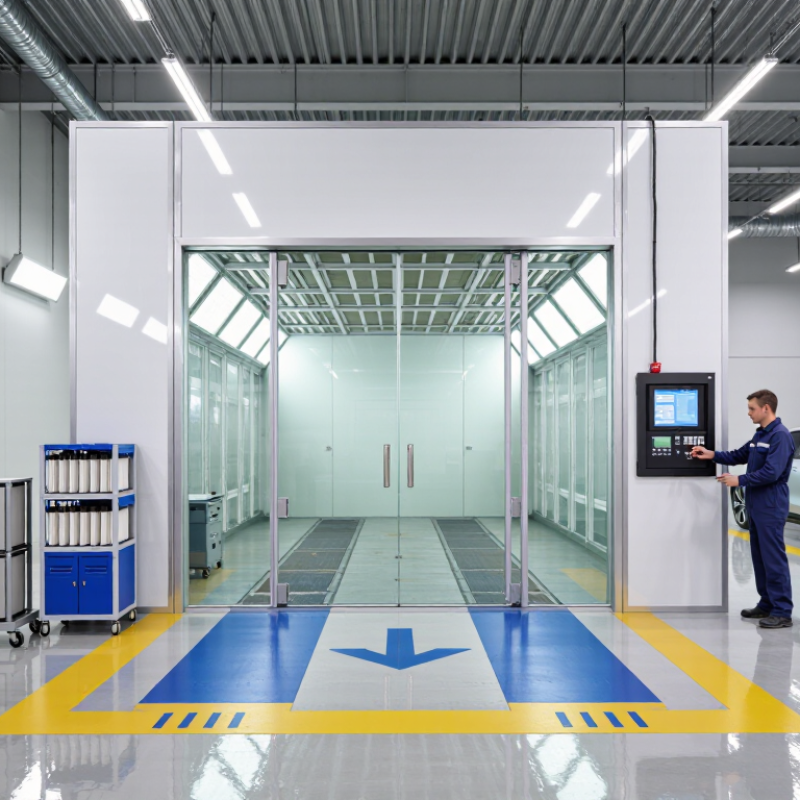
Before comparing booths, map your shop’s actual paint workload. Track refinish hours, vehicles painted per shift, average color changes, and time lost waiting for prep or curing. A booth sized only by floor space may still create a bottleneck. Measure the longest vehicle, door swing, and room needed for safe loading. Then compare those figures with your busiest weeks, not just your monthly average.
CCC Intelligent Solutions’ 2024 Crash Course reported that average repairable-claim severity reached $4,721 in 2023. That figure reflects wider repair costs, not booth output alone, but it underlines why rework and delays matter. Estimate realistic daily booth cycles using your technicians, paint system, and planned bake schedule. Ask suppliers to explain rated airflow and cycle assumptions; paper capacity can look generous. Your own trial log is more useful.
Plan for the room around the booth, too. Allow clear space for masking, staging, and filter changes, and check whether existing utilities can support the equipment. Choose Paint Booth Wall Paint that suits the booth maker’s cleaning and maintenance guidance. Small details count. A bright finish can help reveal dust, yet frequent cleaning still takes time. I’d revisit the forecast after a few weeks of tracking; shops often underestimate interruptions.
Weekly booth-time planning example for one booth, operating one 8-hour shift per day, 5 days per week.
The 40-hour weekly capacity is calculated from the stated schedule. Job-time figures are planning scenarios, not industry averages; use your shop’s actual booth occupancy time to estimate capacity and choose equipment.
Choosing a car paint booth starts with matching airflow to the work. Crossdraft booths pull air from the front and exhaust it at the rear, making them a practical option where space or budget is limited. Downdraft designs move air from the ceiling toward floor-level exhaust points, which can help carry overspray away from the vehicle. Semi-downdraft systems use a mixed airflow path. No type wins automatically. Compare filter access, exhaust placement, and the shop’s existing ventilation before deciding.
Size the booth around the largest vehicle you expect to paint, not just the one in the shop today. Measure mirrors, open doors, and room for technicians to move safely. A booth that fits a car tightly can slow masking and make repairs awkward. Allow space for lights, filters, and maintenance access, too. It is easy to overestimate usable floor area; mark the footprint with tape before ordering.
Workflow matters just as much as booth dimensions. If preparation happens nearby, plan how vehicles move from sanding and masking into the spray area without crossing dusty traffic. A separate prep zone can help, but only if doors and staging space support a smooth handoff. Small details matter. Check where operators load filters, park carts, and stand while spraying; those choices shape daily efficiency more than a brochure diagram might suggest.
Check ventilation before comparing booth size or price. Air must cross the work area evenly, carrying overspray toward the exhaust without swirling around the vehicle. OSHA’s spray-finishing standard, 29 CFR 1910.107, specifies an average face velocity of at least 100 feet per minute for applicable open-face spray booths. Treat that figure as a benchmark, not a universal setting; booth design and process affect the requirement. Ask for measured airflow data, not just a fan’s rated capacity.
Filtration matters at both ends. Intake filters help keep dust off wet panels; exhaust filters capture overspray before air leaves the booth. Ask how filter efficiency is documented and what pressure-drop range signals replacement. A rising pressure drop often means filters are loading. Small detail, big consequences. Check that gauges are included and accessible.
Make-up air should roughly balance exhaust flow, or doors may pull inward and disturb the spray pattern. Watch a test run: does a light ribbon of test material move steadily toward the exhaust, or flutter near a bumper? Request airflow readings at several points, with clean filters and again under normal operating conditions. The second test is easy to overlook. I would want both in writing. Verify specifications with a qualified ventilation professional and applicable local requirements before purchase.
A Car Paint Booth is only as dependable as its heating, lighting, and temperature controls.
When comparing heating systems, ask how evenly they warm the chamber, not just how quickly they reach a setpoint. Uneven heat can leave a panel tacky near its lower edge while the upper surface feels dry.
Check whether the system offers separate spray and bake settings, and where its temperature sensors are located.
Small detail, big difference.
Look for bright, even lighting that reveals color shifts, wet edges, and tiny surface defects. Stand beside the booth’s walls and inspect a test panel from several angles. Dark corners can hide flaws until the vehicle reaches daylight.
Temperature controls should hold steady during normal work, while clear alarms can flag readings outside the selected range. Ask to review calibration and maintenance records instead of trusting the display alone.
A display can drift. It is easy to overvalue advertised heating speed; stable temperatures and good visibility may matter more during a long workday.
When comparing car paint booths, inspect safety systems in person, not just on a specification sheet. A booth is not just a box with filters. Ask how airflow is monitored, whether spraying stops when ventilation fails, and how the emergency shutoff works. OSHA’s spray-finishing standard, 29 CFR 1910.107, addresses ventilation, electrical equipment, and fire protection. Confirm that the proposed design fits your work process and applicable local requirements.
Fire protection deserves close attention. NFPA’s analysis of 2011–2015 data estimated an average of 37,910 fires annually in U.S. industrial or manufacturing properties, causing $1.2 billion in direct property damage each year. These figures cover many types of facilities, not paint booths alone, but they show why prevention matters. Ask for documentation on the booth’s fire-suppression interface, sprinkler provisions, and maintenance schedule. Check that filters and duct access points can be inspected without awkward workarounds.
Look closely. A tiny gap in a maintenance plan can become a real problem. Have a qualified installer explain how the system aligns with OSHA requirements and local fire-code review. Request commissioning records, alarm tests, and clear instructions for filter changes. A checklist can still miss things; walk through a mock shutdown with the people who will operate the booth.
Tip: Compare the complete installation quote, not just the booth price. Ask whether it includes floor preparation, electrical connections, ductwork, lighting, delivery, and commissioning. A low equipment price may leave expensive site work uncovered. Measure ceiling height and door clearance before ordering. Small details matter.
Tip: Check maintenance costs with the same care. Ask how often filters need changing, what replacement parts cost, and whether routine service requires a specialist. Request a maintenance schedule based on your expected weekly use. Dusty filters can restrict airflow and affect finish quality. Keep records.
Tip: Estimate operating costs per working day. Compare fan and heater power requirements, fuel use, and the time needed to reach operating temperature. Get realistic figures for your local energy rates and planned workload. If you are researching Car Paint Booth Diy options, include ventilation design and professional installation in the budget. DIY savings can shrink quickly. I would compare at least three itemized quotes, though estimates may still miss site-specific work.
Tip: Ask the supplier who handles installation, staff training, and urgent service calls. Request a sample maintenance schedule and a realistic response time. A booth may look polished on delivery day, but filters, fans, and controls need ongoing attention. Get it in writing.
Tip: Read the warranty before comparing prices. Check which parts are covered, how long labor is included, and who pays for shipping. Ask whether coverage depends on specific maintenance records. A long warranty sounds reassuring, but it does not guarantee zero downtime. That distinction is easy to miss.
Tip: For long-term reliability, ask for references from shops using similar booth sizes and workloads. Ask what failed, how quickly parts arrived, and whether support continued after installation. If you plan to Rent Car Paint Booth equipment, clarify who maintains it and what happens during a breakdown. Listen for specific answers, not broad promises. I would also inspect the service checklist; a neat checklist can still omit details that matter during a busy week. Keep the contact person’s name and service terms on file.
| Tip | What to Assess | Evidence to Request | Signs of Long-Term Reliability | Potential Warning Sign |
|---|---|---|---|---|
| 1. Confirm the booth fits your work | Match the booth dimensions, airflow design, heating options, and intended finish process to the vehicles and coatings you handle. | Ask for a written specification sheet, layout drawing, and confirmation that the proposed configuration suits your site and workflow. | Requirements are documented before the quotation, including vehicle clearances, operating conditions, and installation constraints. | A proposal is made without reviewing your vehicle sizes, building layout, or operating requirements. |
| 2. Check ventilation and filtration details | Understand the airflow arrangement, fan capacity, filter locations, and how filters are accessed and replaced. Confirm applicable local ventilation and fire-safety requirements with qualified professionals. | Request airflow and pressure-drop information, filter specifications, maintenance intervals, and details of the ventilation controls. | Performance information and routine filter-maintenance instructions are supplied in writing. | Airflow claims are given without supporting specifications, or filter replacement access is unclear. |
| 3. Evaluate supplier support before purchase | Ask who will handle installation guidance, commissioning, troubleshooting, and service requests after delivery. | Request the support process, service contact details, stated response arrangements, and a list of what is included in commissioning. | Responsibilities are clear, and technical assistance is available through documented channels. | Support is described only in general terms, with no clear contact or service procedure. |
| 4. Read the warranty terms carefully | Compare coverage periods and exclusions for structural components, fans, burners or heaters, controls, and other supplied equipment. | Request the full written warranty, including start date, claim process, labor and parts coverage, and any maintenance conditions. | Coverage and exclusions are specific, understandable, and provided before the order is placed. | Only a verbal warranty summary is offered, or key exclusions and claim steps are not disclosed. |
| 5. Plan for maintenance and replacement parts | Identify routine service tasks and consumables, such as filters, lamps, belts, and other components used in the selected design. | Ask for a maintenance schedule, parts list, recommended consumables, and ordering information. | Common service tasks are documented, and replacement-part identification is straightforward. | Maintenance needs are not explained, or parts cannot be identified from the supplied documentation. |
| 6. Verify installation and compliance responsibilities | Clarify site preparation, electrical and fuel connections, exhaust routing, permits, and who is responsible for each task. | Request an installation checklist, utility requirements, foundation or clearance details, and a written scope of work. | Responsibilities are assigned in writing, and required inspections or approvals are identified for your location. | The quotation excludes important site work without clearly stating what the buyer must arrange. |
| 7. Compare total cost over time | Look beyond the purchase price to installation, utilities, filter replacements, routine service, and expected downtime. | Request an itemized quotation and a list of operating and maintenance assumptions; compare equivalent configurations. | Costs and assumptions are transparent, making it easier to compare options on a like-for-like basis. | A low initial price is presented without a clear equipment scope, operating assumptions, or maintenance information. |
Note: Warranty coverage, ventilation requirements, installation rules, and operating costs vary by equipment configuration and location. Confirm applicable requirements with the supplier and qualified local professionals before purchase.
For manufacturers in China, choosing a high-performance industrial spray booth means balancing finish quality, production speed, and operating efficiency. Insulated booth panels help stabilize the working environment, while precise temperature controls support consistent curing across changing production demands. The International Energy Agency’s *Energy Efficiency 2023* report estimates that industry accounts for around 37% of global energy use, underscoring the value of equipment that limits unnecessary heat loss and manages energy carefully. A durable structure and intelligent controls can also help teams maintain repeatable processes and reduce avoidable production interruptions.
Ventilation is just as important as temperature management: reliable airflow helps capture overspray and maintain a cleaner, more controlled coating area. OSHA’s spray-finishing standard sets a benchmark of at least 100 feet per minute of average air velocity across the open face of many conventional spray booths. When assessing a booth, manufacturers should consider airflow design alongside filtration, access for maintenance, and the ability to match settings to different parts and coatings. The right combination of insulation, responsive controls, and appropriately engineered ventilation can help factories achieve more uniform finishes while supporting safer, more efficient workshop operations.
Even airflow carries overspray toward the exhaust. Swirling air can disturb the finish.
Ask for measured readings at several points, not just fan capacity. Test with clean filters and during normal operation.
Intake filters help keep dust off wet panels. Exhaust filters capture overspray before air leaves the booth.
Check pressure-drop readings and the maker’s replacement range. Rising pressure can indicate loaded filters. Check the gauges.
It should roughly balance exhaust flow. Otherwise, doors may pull inward and airflow can disturb spraying.
Look for floor preparation, electrical work, ductwork, lighting, delivery, and commissioning. A low price may omit site work.
Measure ceiling height and door clearance. Small details, big consequences.
Compare fan and heater power, fuel use, warm-up time, local energy rates, and expected workload. Estimates can still miss things.
Ask about filter changes, replacement-part costs, service needs, and a schedule suited to weekly use. Keep records; I might forget.
Choosing the right Car Paint Booth begins with understanding your shop’s painting workload, available space, and production goals. Compare booth types, dimensions, and workflow layouts to find an option that supports efficient vehicle movement and fits your day-to-day operations. Pay close attention to ventilation, filtration, and airflow, since these affect both the working environment and the quality of the finish. Also evaluate the heating system, lighting, and temperature controls to ensure the booth can provide consistent conditions for painting and drying.
Before making a decision, review safety features, fire protection, and relevant compliance requirements. Consider the full cost of installation, routine maintenance, and ongoing operation rather than focusing only on the purchase price. Finally, assess the supplier’s technical support, warranty terms, and ability to provide dependable long-term service. A careful comparison across these factors can help you select a booth that suits your needs and supports reliable, efficient work over time.