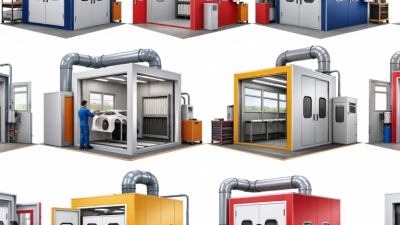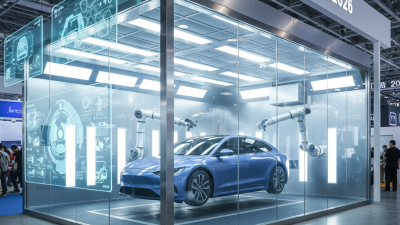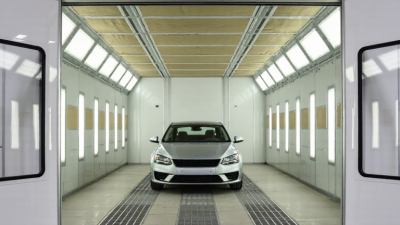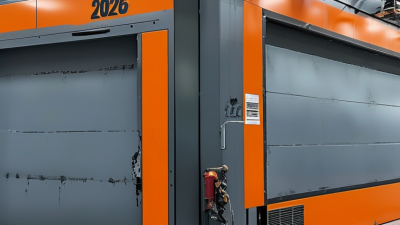
So, why choose a Car Spray Booth for your business?
A car spray booth isn't just some enclosed area where you paint. It manages airflow, captures overspray, and helps keep the shop cleaner. And for a busy collision center? Those little things add up—finish quality, rework rates, and how confident customers feel when they pick up their car.
Grand View Research and IMARC Group both point to growing demand for automotive paint booths. Makes sense: repair volumes are up, more people own vehicles, and environmental expectations keep getting tighter. The U.S. EPA also calls out automotive refinishing as a source of volatile organic compound emissions. And OSHA Standard 29 CFR 1910.107 covers ventilation, ignition control, and safe spray-finishing practices. These aren't just footnotes. They tie your equipment choices to real, measurable workplace responsibilities.
Mike Anderson, founder of Collision Advice, often says, "The repair is only as good as the process behind it." A booth helps support that process. It cuts down dust near a freshly painted hood, keeps air moving more consistently around the technician, and can make it easier to document stronger quality-control steps.
That said, a booth won't magically fix everything. Skip filter maintenance and performance drops. Size it wrong and you create bottlenecks. A too-cheap price tag can hide higher energy and service costs later. Not fun to think about, I know—but worth looking at before you sign anything.
The right call depends on your vehicle volume, floor space, coating systems, energy use, and local safety rules. A practical evaluation should also cover installation, training, maintenance, and airflow testing. In the end, better decisions come from evidence—not sales promises.
Why Choose a Car Spray Booth for Your Business?
What Is a Car Spray Booth?
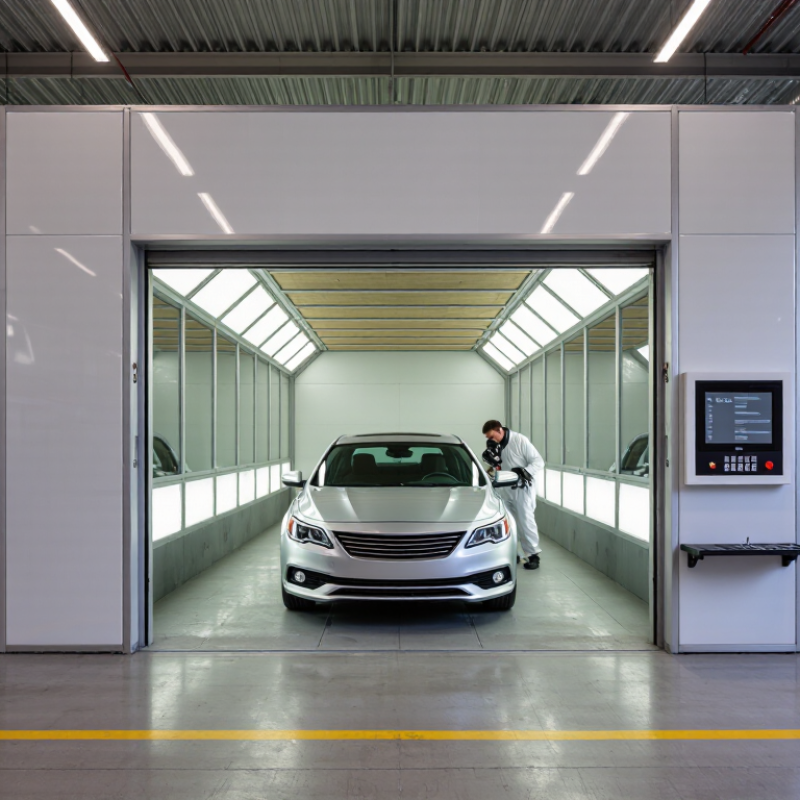
A car spray booth is an enclosed workspace designed for vehicle painting and refinishing. It controls airflow, temperature, lighting, and airborne particles during spraying. Fresh air enters through filtered sections, while contaminated air leaves through a controlled exhaust system. This design helps protect the finish and keeps the surrounding workshop cleaner.
Inside, bright, even lighting reveals color differences, dry spots, and uneven coverage. Smooth interior panels reduce dust collection around the vehicle. A trained technician can spray more consistently when airflow remains stable. Temperature control also supports predictable drying, especially during cool or humid weather. The equipment does not replace skill.
A Car Oven Spray Booth adds controlled heat after spraying. This can shorten curing time and improve production planning. However, excessive heat may damage coatings or create defects if settings are poorly managed. Operators should follow coating instructions, inspect filters, and maintain airflow regularly. Local workplace and fire-safety requirements also matter, even when the booth appears simple.
A practical mistake is treating the booth as a sealed box. It needs suitable ventilation, safe electrical components, accessible controls, and routine inspection. I would also leave enough space around the vehicle for hose movement and technician access. Small layout decisions affect overspray, comfort, and repair quality. The best setup depends on vehicle volume, coating types, building conditions, and staff experience.
A Car Paint Spray Booth supports professional painting by creating a controlled space for refinishing vehicles. Stable airflow helps move overspray away from wet panels. Clean filtration reduces dust settling on fresh paint. That matters.
Good lighting reveals uneven coverage, orange peel, and small surface defects before curing. A properly maintained booth also helps technicians repeat color and gloss results across different vehicles. Temperature and humidity influence flash time, adhesion, and final appearance, so experienced painters monitor both conditions during each job. The booth does not replace skill. It makes skilled work more consistent.
Tips: Clean filters on a planned schedule, not only when airflow feels weak. Check booth lights before spraying. Keep doors closed during application. Record temperature, humidity, coating mix ratios, and drying times. These simple notes help identify problems later. Personal protective equipment and routine ventilation checks remain essential.
Even with careful preparation, results can vary. A painter may follow the same process and notice a slightly different finish. That is a useful warning, not a failure to hide. Inspect the panel under bright light, then adjust technique or settings. Regular maintenance, staff training, and documented checks build reliability over time. A professional booth is valuable because it supports careful decisions at every stage, from surface preparation to final inspection.
A car spray booth gives automotive repair businesses a controlled place for refinishing work. Technicians can manage airflow, temperature, lighting, and overspray more consistently. That control matters when a vehicle arrives with visible scratches, faded panels, or a difficult metallic finish. In daily operations, cleaner conditions can reduce dust trapped in clear coats and limit rework. Small improvements become valuable when several vehicles move through the workshop each week.
Safety and compliance are equally important. OSHA’s spray-finishing standard, 29 CFR 1910.107, requires suitable ventilation, approved electrical equipment, and controls for flammable materials. The U.S. Environmental Protection Agency also identifies vehicle refinishing as a source of volatile organic compound emissions in its National Emissions Inventory. A properly designed booth helps capture airborne particles before they spread across the shop. It also gives managers a clearer process for filter changes, inspection records, and technician training.
A booth is not magic. Poor maintenance can quickly cancel its benefits. I have seen clean installations produce uneven finishes because filters were overloaded or airflow was misunderstood. Businesses should review booth size, curing needs, energy use, and local requirements before purchasing. The best results come from disciplined preparation, not equipment alone. Clean panels matter. So does patience.
A Car Spray Paint Booth creates a controlled space for vehicle refinishing. Its airflow design affects finish quality, drying time, and worker visibility. Downdraft booths pull overspray downward through the floor. They suit collision repair centers seeking cleaner panels and consistent results. However, installation may require floor preparation and stronger ventilation planning.
Crossdraft booths move air from the front toward the rear filters. They often fit smaller workshops with limited budgets and simpler layouts. Semi-downdraft booths combine ceiling airflow with rear extraction. This design can reduce turbulence around doors, hoods, and curved body panels. Side-draft booths draw air horizontally, making them useful where floor construction is difficult. Each type needs suitable filters, lighting, and scheduled airflow checks.
Open-face booths work well for preparation, spot repairs, and parts with lower coating demands. Enclosed booths provide better containment and process control for complete vehicle refinishing. In daily operations, technicians notice practical details first. A clean filter supports steady airflow. Bright, shadow-free lighting reveals uneven coverage. Poor maintenance can defeat an expensive booth. That is easy to underestimate. Selection also depends on vehicle size, coating volume, available space, and local safety requirements. I would not choose by airflow numbers alone; real workshop experience, service access, and operator habits matter just as much.
A car spray booth gives a repair business a controlled space for paint preparation and application. That control matters when workers handle airborne coating particles, solvents, and overspray. A properly designed booth uses filtered airflow to move contaminants away from breathing zones. It also reduces dust settling on wet panels, which protects finish quality and limits rework. Small details matter. Operators still need suitable respirators, gloves, eye protection, and practical training. Safety depends on behavior, not equipment alone.
Ventilation should match the booth size, coating process, and daily workload. Supply air must enter evenly, while exhaust air should pass through maintained filters. Poor airflow can leave solvent odors near the technician or create uneven drying across a door panel. Pressure gauges, filter checks, and scheduled inspections provide useful evidence that the system is working. A written maintenance log also supports consistent training and responsible management. Shortcuts happen.
Environmental requirements deserve equal attention. Captured overspray and used filters should be handled according to local waste requirements. Exhaust air should not move toward neighboring properties, public walkways, or fresh-air intakes. Energy use is another practical concern, since fans and heating systems may run for long periods. Automatic controls can reduce waste, but they need testing and adjustment. A booth can appear efficient while losing air through damaged seals. That weakness is easy to overlook. Regular records, honest inspections, and prompt repairs make the installation more reliable over time.
Choosing the right booth begins with your actual production routine, not its advertised size. Measure the largest vehicle you paint, then leave enough space for doors, mirrors, and safe movement. A cramped booth slows preparation and increases the chance of touching wet surfaces.
For Spray Booth Car Painting, airflow deserves careful attention. Look for stable air movement, effective filtration, bright lighting, and accessible maintenance points. Ask how often filters need replacement and whether the ventilation system matches your building. Check local workplace and environmental requirements before installation. Do not assume a powerful fan solves everything. Excessive airflow can disturb paint, while weak airflow may leave dust on a freshly finished panel. That balance is easy to underestimate.
Tips: Compare energy use, noise levels, service access, and warranty terms. Request airflow data, not vague promises. Watch a demonstration if possible. Bring a painted panel and inspect the surface under strong booth lighting. A larger booth is not automatically better; unused space can raise operating costs. My practical mistake was focusing too much on purchase price. Later, cleaning time and filter changes mattered more. Leave room for future equipment, but avoid buying capacity your team will rarely use. Choose a booth that workers can understand, maintain, and operate consistently.
It is an enclosed workspace for vehicle painting and refinishing. Filtered air enters, while controlled exhaust removes overspray and contaminated air. Bright lighting reveals uneven coverage and color differences.
Stable airflow helps technicians apply coatings more consistently. Cleaner surroundings can reduce dust trapped in clear coats. The booth supports quality, but it cannot replace skilled preparation.
A heated booth can shorten curing time after spraying. Controlled heat may improve scheduling during busy periods. Too much heat can damage coatings. Follow coating instructions carefully.
Crossdraft booths often fit smaller spaces and simpler layouts. They move air from the front toward rear filters. Budget matters, but service access matters too.
Enclosed booths offer stronger containment and process control. They suit complete vehicle refinishing and demanding finishes. Open-face booths may suit preparation, spot repairs, and smaller parts.
Consider vehicle size, repair volume, coating types, and available floor space. Review energy use, ventilation needs, lighting, and maintenance access. Airflow numbers alone can mislead. Workshop habits matter.
Operators should inspect filters, airflow, lighting, controls, and exhaust components regularly. Overloaded filters can cause uneven finishes and poor visibility. Clean filters matter. Records help prevent forgotten inspections.
Suitable ventilation, safe electrical components, and controlled flammable materials are essential. Businesses should follow local workplace and fire-safety requirements. Training matters. The booth is not a sealed box.
No. Poor surface preparation, incorrect settings, or rushed spraying can still create defects. I would leave space around the vehicle for hoses and technician movement. Small layout mistakes can affect comfort, overspray, and repair quality.
A Car Spray Booth is a controlled workspace designed for professional vehicle painting, refinishing, and drying. It helps create a cleaner environment by limiting dust and airborne particles while supporting consistent airflow, lighting, and temperature control. With proper ventilation and filtration, the booth can improve paint quality, reduce overspray, and help technicians achieve smoother, more uniform finishes. It also supports safer operations by directing fumes and particles away from workers and surrounding areas.
For automotive repair businesses, the right booth can improve productivity, finish quality, and workplace organization. Common options include crossdraft, downdraft, and side-draft designs, each suited to different shop layouts, vehicle sizes, and production needs. When choosing a Car Spray Booth, businesses should consider booth dimensions, airflow performance, energy use, maintenance requirements, installation space, and compliance with applicable safety and environmental standards. A carefully selected system can provide reliable performance while supporting efficient, responsible, and professional painting operations.