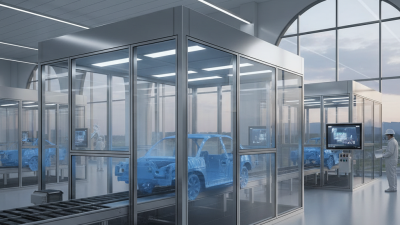
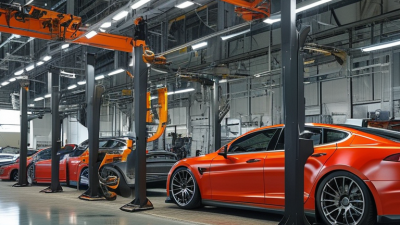
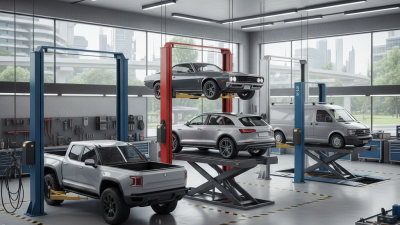
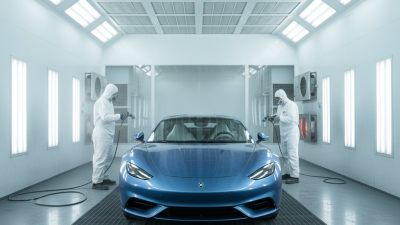
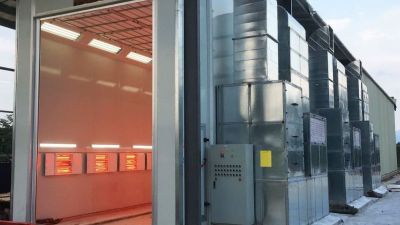
Choosing a car spray booth manufacturer isn’t just about ticking a box on your shopping list — it’s a pretty practical decision that can really make a difference. The right partner can impact everything from how nice the paint looks to how comfortable your workers are, how much energy you use, and how easy it is to keep things running smoothly in the long run. Usually, an experienced manufacturer will study your entire spraying process before recommending any equipment. Things like the size of your vehicles, the type of paint you’re using, and how your workshop’s airflow works all matter a lot.
When you look at a booth, pay attention to the details. Smooth interior panels help cut down on dust traps, and balanced airflow makes sure overspray doesn’t get out of control. Bright, even lighting is more than just a convenience — it helps you spot tiny surface imperfections before the vehicle leaves the shop. Good filtration not only protects the finish but also keeps your workspace cleaner and healthier. A reliable supplier should be clear about filter grades, fan performance, lighting options, and access points. They should also offer guidance on installing the system, training your team on operation, setting up maintenance routines, and providing any testing docs you might need. If they do this well, it shows they’ve got real practical expertise — not just good-sounding sales talk.
That said, no spray booth is perfect. Dust can sneak in if door habits aren’t great, filters can get overloaded, and sometimes operators might overlook small warning signs. The best manufacturers acknowledge these flaws and have practical solutions ready. It’s worth asking how their booths perform during busy times, how fast they can ship replacement parts, and whether they provide ongoing technical support after installation.
A trustworthy car spray booth manufacturer combines solid engineering know-how with real-world experience. They’ll listen to what you need before pushing a specific model. And they’ll be honest about what their equipment can and can’t do. That honesty builds trust over time. Doing a careful comparison upfront can save you from costly adjustments later on. Remember, the biggest or most expensive booth isn't always the best choice — it’s the system that fits your vehicles, workflow, budget, and maintenance skills. Ultimately, practical, real-world evidence should guide your decision, not just fancy promises.
What a Car Spray Booth Manufacturer Provides
A car spray booth manufacturer provides more than a sealed room with bright lights. It develops an airflow system for controlled painting conditions. Proper air movement helps reduce dust, uneven coverage, and overspray. Experienced manufacturers also consider workshop size, vehicle dimensions, production volume, and local safety requirements. These details matter during daily work.
A reliable manufacturer supplies practical components, including intake filters, exhaust filters, lighting, control panels, and access doors. Some also provide installation guidance, airflow testing, operator training, and maintenance schedules. A technician should explain when filters need replacement and how pressure readings should be checked. Small details can prevent expensive interruptions. Good documentation helps operators work consistently, even when staff changes.
No booth is perfect. Dust can still enter through poor cleaning habits or open doors. I have seen careful designs perform poorly when maintenance was ignored. That is why manufacturer support should continue after installation. Clear service instructions, accessible spare parts, and responsive technical advice improve long-term reliability. Buyers should ask for performance data, material specifications, warranty terms, and installation records. A lower purchase price may look attractive, but weak support can create hidden costs. Honest manufacturers should also admit when a standard booth does not suit a particular workshop.
How Manufacturers Design Booths for Different Vehicle Workflows
Why Choose a Car Spray Booth Manufacturer?
A capable manufacturer studies the vehicle workflow before drawing a booth layout. Collision repair shops may need compact access, fast masking, and frequent color changes. Larger facilities require wider doors, stronger airflow, and space for vans or utility vehicles. These details affect productivity more than booth size alone.
In field projects, technicians often move damaged panels from preparation areas directly into the booth. A practical design places mixing rooms, staging zones, and cleaning points nearby. Adjustable lighting helps painters see wet edges and uneven coverage. Carefully positioned filters control overspray, while balanced airflow supports consistent finishes. A
Car Oven Spray Booth
also needs dependable temperature control for repeatable curing across different coatings. Service doors should provide access without disrupting daily work.
Manufacturers should also consider production rhythm. A low-volume workshop may benefit from flexible settings and simple controls. A high-volume operation may need separate spray and curing stages to reduce waiting time. That choice is not always obvious. Some facilities buy oversized equipment and lose valuable floor space. Others underestimate maintenance access, creating frustrating delays later. Experienced designers review actual vehicle dimensions, shift patterns, ventilation needs, and operator habits before recommending equipment. They should explain limitations clearly, document performance requirements, and allow room for future workflow changes. Plans are useful, but technicians often reveal the real problems.
Which Safety and Environmental Standards Should Be Considered
Choosing a Car Spray Booth manufacturer requires more than comparing airflow rates and panel thickness. Safety and environmental compliance should guide the decision. A reliable manufacturer explains how the booth controls overspray, vapors, noise, fire risk, and worker exposure.
The design should reflect recognized standards such as NFPA 33, ISO 45001 principles, and applicable local fire and emissions requirements. These references are not interchangeable. Local authorities may require specific extraction heights, electrical protection, filtration, or ventilation testing. Ask for documented airflow measurements, filter specifications, grounding details, emergency shutoffs, and maintenance instructions. A clear technical file is stronger evidence than a polished sales promise.
Inside the booth, air should move evenly across the vehicle without visible turbulence. Filters need practical access, not awkward panels behind ductwork. Lighting should reveal uneven color without creating excessive heat. Small details matter. In workshop evaluations, technicians often notice blocked filters, damaged seals, and poorly positioned controls before managers do. That assumption can fail. A manufacturer should provide training, inspection schedules, and replacement guidance throughout the booth’s service life.
Environmental performance also deserves careful review. Efficient extraction can reduce paint waste, while suitable filtration helps limit particulate release. However, no filter works indefinitely. Pressure readings, filter changes, and exhaust testing must be recorded. Claims about “eco-friendly” operation should be supported by measurable data. A responsible manufacturer admits where performance depends on installation, operator habits, and local conditions.
How Customization Improves Booth Performance and Shop Efficiency
Why Choose a Car Spray Booth Manufacturer?
Customization directly affects booth performance and shop efficiency. A qualified manufacturer measures vehicle dimensions, ceiling height, paint volume, and technician movement before designing the booth. This prevents a common error: installing excessive fan capacity while leaving dead zones near bumpers or roof panels. Small details matter. Adjustable lighting can reveal dry spray on a door edge. Correct filter placement can reduce overspray buildup and cleaning time.
OSHA 29 CFR 1910.94(c) references a minimum average airflow of 100 feet per minute for many spray booth configurations. A customized Car Spray Paint Booth can balance this requirement with the shop’s actual dimensions. Oversized systems may consume unnecessary power, while undersized systems can affect finish quality and worker protection. The U.S. Department of Energy’s Improving Compressed Air System Performance guide reports that leaks may waste 20% to 30% of compressed-air output. Efficient booth design should therefore consider connected pneumatic tools, not only the exhaust fan.
Practical manufacturers also plan access doors, filter replacement space, control panels, and curing zones around real work habits. NFPA 33 provides widely recognized guidance for spray application operations, including ventilation and fire protection considerations. Yet customization is not always perfect. A carefully designed booth can still perform poorly if filters are neglected or airflow is blocked by stored parts. Shops should record pressure readings, cleaning intervals, and paint defects. Those records expose weak assumptions and support safer adjustments.
Why Build Quality Affects Finish Consistency and Operating Costs
Why Choose a Car Spray Booth Manufacturer?
Build quality directly affects finish consistency and operating costs. In real workshops, small design flaws become expensive problems. A poorly sealed door can disturb airflow and carry dust across wet paint. Uneven airflow may create dry spots, runs, or cloudy clear coats. That means more sanding, repainting, labor, and wasted materials.
A reliable manufacturer should control booth structure, filtration, lighting, and ventilation as one system. Strong panels reduce vibration during spraying. Proper seals help maintain stable pressure. Balanced airflow moves overspray toward the filters instead of around the vehicle. Bright, evenly distributed lighting also reveals thin coverage before the paint cures. It is a practical advantage.
Energy use deserves equal attention. Efficient fans, suitable motors, and insulated panels can reduce daily operating costs. However, efficiency cannot replace safety or proper ventilation. A cheaper booth may appear attractive during purchase, yet frequent filter changes and inconsistent curing can raise its real cost. Ask for maintenance guidance, airflow data, material specifications, and installation support. Details matter.
No booth stays perfect forever. Filters clog, seals harden, and doors lose alignment. I have seen teams blame paint products when the real issue was neglected maintenance. That mistake is easy to repeat. A careful manufacturer should explain these weaknesses honestly and provide accessible replacement parts. Build quality is not only about a polished exterior. It is about predictable results after months of dust, heat, cleaning, and daily pressure.
How Installation, Training, and Technical Support Add Value
Why Choose a Car Spray Booth Manufacturer?
A spray booth is more than a steel enclosure. Installation affects airflow, lighting, curing, and daily production. A qualified manufacturer can measure the workshop, position exhaust systems, and commission the booth correctly. This matters because poor airflow may create uneven paint, dust contamination, or unsafe vapor conditions. OSHA’s Automotive Repair and Maintenance guidance emphasizes ventilation, personal protection, and hazard control during refinishing work. Technical support turns those requirements into practical routines.
Training adds another layer of value. Operators should understand pressure readings, filter loading, gun distance, and cleaning intervals. Small mistakes become visible quickly. According to the U.S. Bureau of Labor Statistics’ 2023–2033 Occupational Outlook Handbook, automotive body and related repairer employment is projected to grow by about 2%. As skilled workers remain important, structured training can reduce avoidable rework and protect consistency. Still, training alone is not enough. The first setup is rarely perfect, and teams should review results after several real jobs. NFPA 33 also provides widely used guidance for spray application operations, ventilation, and fire protection.
Tips: Ask for installation records, airflow readings, maintenance schedules, and hands-on training. Confirm who answers technical questions after commissioning. Keep a simple weekly log for filters, pressure, lighting, and curing results. It may reveal problems before customers do.
How to Evaluate and Select the Right Manufacturer
Why Choose a Car Spray Booth Manufacturer?
How to Evaluate and Select the Right Manufacturer
Choosing a car spray booth manufacturer requires more than comparing prices. The booth controls airflow, paint quality, worker comfort, and daily production. During a workshop evaluation, inspect the floor, lighting, filters, doors, and control panel. Small weaknesses often become expensive maintenance problems.
Ask for proof.
A reliable manufacturer should provide airflow data, filtration specifications, fire-safety information, and installation procedures. Request drawings showing booth dimensions, fan capacity, air-change rates, and exhaust arrangements. These details reveal whether the design suits your vehicle sizes and working volume. For
Spray Booth Car Painting
, stable airflow matters because dust, overspray, and uneven drying can damage a finished surface.
Speak with previous customers when possible. Ask how quickly replacement filters arrive and how technical support handles faults. A serious manufacturer offers operator training, clear maintenance schedules, and accessible spare parts. Check the warranty carefully, including coverage for fans, lighting, controls, and structural components.
Do not trust impressive photographs alone. Visit a completed installation if practical. Listen for unusual fan vibration and check whether doors close evenly. I have seen specifications look excellent while the working layout felt cramped. That experience is worth remembering. A perfect checklist can still miss practical problems, such as poor access around the vehicle or uncomfortable inspection lighting. Compare lifecycle costs, not only the initial quotation. A cheaper booth may consume more energy and require frequent filter changes.
Industrial Spray Booths: A Practical Guide to High-Efficiency Painting and Coating Applications
Industrial spray booths are essential for modern manufacturing and automotive facilities that require consistent, high-quality painting and coating results. By creating a controlled workspace, they help prevent dust, overspray, and other airborne contaminants from affecting the finish. Their enclosed design also supports safer operations by directing fumes and particles away from workers and surrounding production areas.
High-efficiency ventilation is a key feature of a well-designed spray booth. Proper airflow carries overspray through suitable filtration systems while maintaining a stable working environment. Superior insulation helps reduce heat loss, and precise temperature control supports reliable drying and curing for a wide range of coatings. These functions can improve surface uniformity, shorten processing times, and reduce material waste during repeated production tasks.
When selecting an industrial spray booth, manufacturers should consider booth dimensions, airflow configuration, filtration capacity, lighting, access requirements, and temperature-control performance. A suitable system can accommodate different workpiece sizes and coating processes while supporting smoother production planning. Regular filter replacement, airflow inspections, and cleaning are also important for maintaining efficiency, protecting equipment, and ensuring a dependable working environment.
FAQS
: Designers should study vehicle sizes, repair stages, shift patterns, and technician movement. Panels should move easily from preparation areas into the booth. Nearby staging and cleaning points save time. The plan may still miss real workshop habits.
Balanced airflow reduces turbulence around bumpers, roofs, and door edges. Adjustable lighting reveals wet edges and uneven coverage. Accessible filters help control overspray. Small details matter.
Not always. A large booth may waste floor space in a low-volume workshop. Small facilities may need flexible controls and compact access. Larger operations may require wider doors and separate curing areas.
Stable temperature supports repeatable curing across different coatings. Uneven heat can create inconsistent results or longer waiting times. Technicians should check temperature performance during normal production. Perfect results are not guaranteed.
The booth should address ventilation, overspray, vapors, noise, fire risks, and worker exposure. Relevant national standards and local authority requirements must be checked. Requirements may differ between locations. Assumptions can fail.
Request airflow measurements, filter specifications, grounding details, emergency shutoff information, and maintenance instructions. Inspection schedules and replacement guidance are also useful. A clear technical file is stronger than a polished promise.
Customization considers vehicle dimensions, ceiling height, paint volume, and technician movement. It can prevent dead zones near roof panels or bumpers. Correct fan capacity may reduce unnecessary energy use. More equipment is not always better.
Record pressure readings, filter changes, cleaning intervals, exhaust tests, and paint defects. Keep stored parts away from airflow paths. Inspect seals and controls regularly. Neglected filters can undo careful design.
Conclusion
Choosing a Car Spray Booth Manufacturer can provide a complete solution for safer, cleaner, and more efficient vehicle refinishing operations. A qualified manufacturer supplies spray booths designed around different workflows, from small repair jobs to high-volume production. Booth configuration, airflow, filtration, lighting, heating, and access can be customized to match vehicle types, shop layouts, and productivity goals. Careful attention to safety and environmental standards also helps support responsible operation and consistent working conditions.
Build quality directly affects paint finish consistency, energy use, maintenance needs, and long-term operating costs. Beyond manufacturing, valuable providers offer professional installation, operator training, troubleshooting, replacement components, and ongoing technical support. When evaluating potential manufacturers, buyers should compare engineering experience, product quality, customization options, compliance documentation, delivery capability, warranty coverage, and after-sales service. Selecting the right partner is not only about purchasing equipment; it is about improving workflow reliability, protecting employees, reducing rework, and creating a dependable foundation for long-term shop performance.