GET A QUOTE
Leave Your Message
0%

Thinking about a spray booth for your car? Well, it's more than just a shiny, enclosed space. A good spray booth actually helps control things like airflow, overspray, temperature, and dust — all of which matter big time when you’re finishing up a vehicle. These little details can directly impact the final gloss, how well the color matches, how fast the paint cures, and even keep the workers safe. I mean, you could have a bumper that looks perfect but under bright workshop lights, you might notice tiny dust specks that spoil the look. And honestly, that tiny flaw can turn into a costly problem once the car’s delivered.

And there’s solid industry backing for investing in a decent booth. For example, Fortune Business Insights pegged the worldwide market for automotive paints at around $8.9 billion in 2023. They expect it to keep growing through 2032, mainly because of more demand for vehicle repairs and refinishing. Another report from Grand View Research points out that stricter quality standards and cleaner environments for applying paint are making a big splash in the market. That said, not every workshop needs the biggest, highest-end booth out there — but these trends definitely point in a clear direction.

Safety’s another big deal. OSHA standards — like 1910.107 — cover things like proper ventilation, controlling ignition risks, and making sure spray equipment is up to standard. Plus, EPA rules guide how emissions should be managed in these setups. John W. Bell from Global Finishing Solutions sums it up nicely: “A spray booth isn’t just a bigger garage; it’s a carefully controlled environment.” Sometimes it’s easy to forget that, but it’s pretty important.

A good booth makes life easier for techs, helping them get consistent results whether they’re working on doors, hoods, or full-on vehicles. It can also cut down on rework, as long as filters, lighting, and airflow are kept in check. But, here’s the honest truth — a spray booth can’t fix bad surface prep or careless mixing. That’s the tricky part. Picking the right size, airflow, and filters takes some honest evaluation. And remember, the most expensive booth isn’t always the best. It’s about finding one that helps you keep your work consistent, safe, and looking great, every single time.
Why Choose a Spray Booth for Cars?

What Is a Car Spray Booth?

Why Choose a Spray Booth for Cars?

What Is a Car Spray Booth?

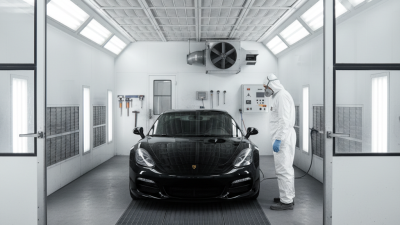
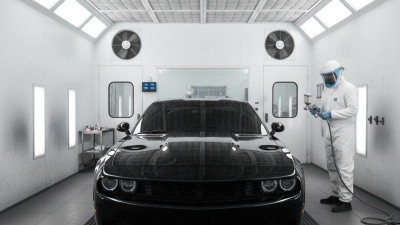
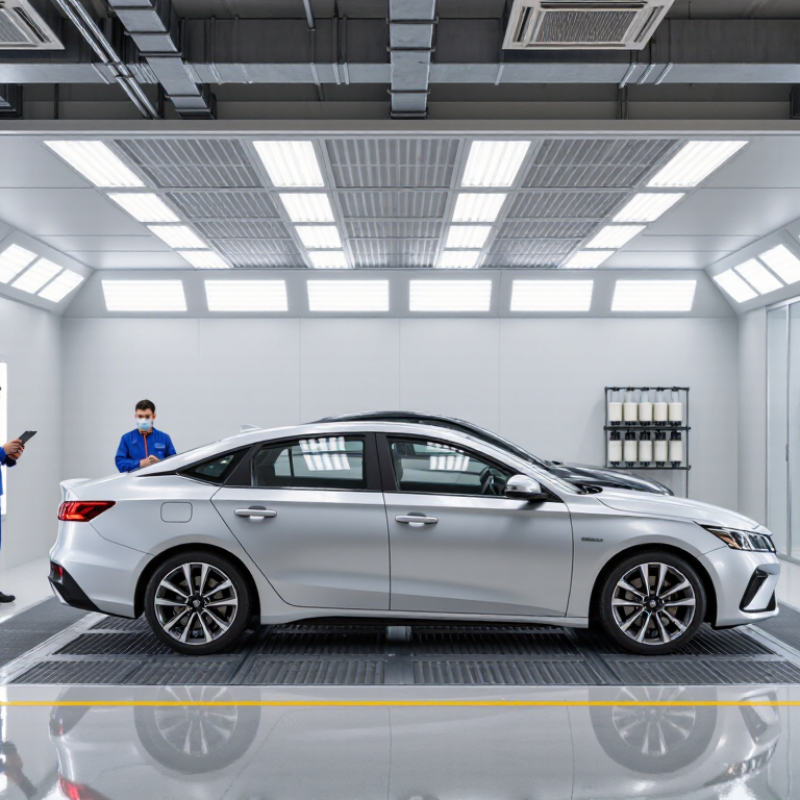
A car spray booth is an enclosed workspace designed for vehicle painting and refinishing. It controls airflow, temperature, lighting, and airborne particles during spraying. Clean air enters through filtered panels, while contaminated air leaves through an extraction system. This keeps dust away from wet paint and helps protect workers from harmful vapors.

Inside the booth, bright lighting reveals uneven coverage, small scratches, and surface defects. Controlled airflow also supports more consistent drying. A properly maintained booth can improve finish quality and reduce overspray around the workshop. However, it does not correct poor preparation. Sanding, cleaning, and masking still require patience. Many disappointing finishes begin before the spray gun is used.

Tips: Check filters regularly, inspect airflow indicators, and keep the floor clean. Use suitable protective equipment and follow local workplace requirements. Keep doors closed during spraying. Avoid rushing the curing stage. A small temperature change can affect gloss, drying time, and adhesion. It is easy to blame the paint, but technique and booth maintenance may be the real problems.

Choose a booth with enough space for the vehicle and safe operator movement. Confirm that its ventilation, electrical systems, and fire controls meet applicable standards. Professional inspection matters, especially when the booth operates frequently. A reliable spray booth is not simply a sealed room. It is a controlled process that supports safer, cleaner, and more repeatable car refinishing.

How a Spray Booth Controls Paint Quality

When a car enters a Spray Booth, the environment becomes measurable rather than unpredictable. Controlled airflow carries overspray away from wet panels. This reduces dust settling into the clear coat. Filtered intake air also protects the finish from workshop particles. Clean air matters.

Experienced refinishers monitor temperature and humidity before spraying. Paint can flash too quickly in dry heat, or remain soft in damp conditions. A booth’s gauges help technicians adjust settings and follow product specifications. Even air movement matters. Excessive velocity can disturb metallic particles, creating uneven color. Gentle, consistent airflow supports smoother coverage and more uniform gloss. Bright, balanced lighting reveals dry edges, runs, and tiny inclusions before the vehicle leaves the booth.

A well-maintained booth does not fix poor preparation. Sanding marks, incorrect mixing, or rushed cleaning will still appear. I have seen excellent equipment expose careless technique. That is useful, although uncomfortable. Filters need regular inspection, and airflow should be verified rather than assumed. Records of temperature, humidity, and maintenance make results easier to repeat. A minor adjustment today can prevent a visible defect tomorrow.

Key Safety Benefits of Using a Spray Booth

Why Choose a Spray Booth for Cars?

Key Safety Benefits of Using a Spray Booth

A spray booth gives automotive refinishing work a controlled environment. Its filtered airflow captures overspray instead of letting fine particles settle across the workshop. This protects nearby tools, vehicles, and workers. The enclosed space also reduces contact with paint vapors. Fresh air matters during long repair jobs.

A properly designed booth helps control fire risks. Rated lighting, grounded equipment, and suitable ventilation reduce ignition hazards. The booth’s airflow should remain stable while spraying. A pressure gauge can reveal blocked filters or poor extraction. Small warning signs matter. Never ignore them.

In practical workshop use, I have seen how quickly overspray clouds a poorly prepared area. I once underestimated a filter’s condition, and visibility dropped within minutes. The mistake was simple, but the lesson was uncomfortable. Regular filter checks, clean floors, and correctly fitted protective equipment support safer work. Operators should also follow the booth’s instructions and applicable workplace requirements. A booth is not a substitute for training. It is one part of a safety system.

Good housekeeping improves the result, too. Dust on the floor can rise into wet paint. Contaminated air can affect breathing and finish quality. Even careful technicians can miss something. That is why inspection routines should be written, repeated, and reviewed after unusual jobs.

Why Choose a Spray Booth for Cars? - Key Safety Benefits of Using a Spray Booth

Safety Dimension How a Spray Booth Helps Primary Risk Controlled Practical Safety Indicator Relevant Safety Guidance
Airborne overspray control Mechanical exhaust airflow captures and removes paint mist from the operator’s breathing zone and the surrounding work area. Inhalation of paint particles, solvents, and coating vapors. Airflow and exhaust systems are inspected and maintained according to the booth’s operating requirements. OSHA 29 CFR 1910.94(c) addresses spray-finishing ventilation.
Fire and explosion protection The booth provides a controlled enclosure with dedicated ventilation, suitable electrical equipment, and safeguards designed for spray-finishing operations. Ignition of flammable vapors, overspray deposits, or combustible residue. Ignition sources are controlled, combustible deposits are removed, and required clearances are maintained. NFPA 33 provides requirements for spray application using flammable or combustible materials.
Worker exposure reduction The booth separates spraying activity from other workers and limits the spread of airborne contaminants into adjacent areas. Uncontrolled exposure for nearby personnel and visitors. Non-essential personnel remain outside the booth during spraying and curing operations. OSHA requires employers to control occupational exposure through engineering and work-practice controls where applicable.
Overspray containment Booth walls, floors, curtains, and filters help contain paint particles and reduce contamination of floors, tools, vehicles, and nearby surfaces. Slip hazards, surface contamination, cleanup exposure, and residue buildup. Filters are replaced when loaded, and accumulated overspray is removed through a documented cleaning routine. OSHA 29 CFR 1910.107 includes housekeeping provisions for spray-finishing areas.
Controlled airflow direction Designed airflow moves contaminants toward the exhaust system rather than allowing them to circulate unpredictably through the workshop. Backflow, vapor accumulation, and cross-contamination. Doors, filters, fans, and exhaust paths remain unobstructed during operation. Ventilation performance should be evaluated against applicable local regulations and booth specifications.
Personal protective equipment support A booth reduces airborne contamination but does not replace respiratory, eye, skin, hearing, or protective clothing requirements. Residual exposure during spraying, mixing, cleaning, and filter replacement. PPE is selected from the product safety data sheet and used according to the workplace risk assessment. OSHA 29 CFR 1910.132 covers general requirements for personal protective equipment.
Chemical handling control A designated spray area supports organized storage, mixing, labeling, spill response, and disposal procedures for coatings and solvents. Chemical spills, incompatible storage, and improper waste handling. Containers are labeled, closed when not in use, and handled according to their safety data sheets. OSHA Hazard Communication requirements support chemical labeling and safety information access.
Maintenance and inspection A dedicated booth makes it easier to schedule inspections for fans, filters, ducts, lights, grounding, interlocks, and fire-protection equipment. Equipment failure, reduced ventilation, electrical faults, and unsafe operating conditions. Inspection records identify filter changes, cleaning dates, repairs, and corrective actions. NFPA 33 and applicable occupational-safety rules emphasize inspection, maintenance, and housekeeping.
Emergency preparedness A clearly defined spray area helps establish emergency access, shutdown procedures, fire-extinguisher locations, evacuation routes, and spill-response steps. Delayed response to fire, chemical release, power failure, or ventilation malfunction. Emergency procedures are posted, communicated to workers, and practiced as required by the workplace plan. Emergency planning should follow applicable fire codes, occupational-safety rules, and local authority requirements.

Note: Actual booth design, airflow, fire protection, electrical classification, inspection frequency, and PPE requirements must be selected according to the coating materials, booth configuration, applicable local regulations, and the current safety data sheets.

How Spray Booths Improve Painting Efficiency

A Spray Booth can make automotive painting faster, cleaner, and more predictable. In a working shop, that difference is visible. Air moves with purpose. Filtered airflow carries overspray away from the vehicle and the painter’s breathing zone. This reduces airborne particles settling on wet panels, especially on hoods and doors under bright inspection lights.

Controlled airflow also helps technicians maintain a steady painting rhythm. They can apply even passes without repeatedly stopping to clear dust or wait for unstable conditions. Temperature and humidity control support more consistent drying between coats. That consistency can shorten rework time and improve daily production. Small errors remain. A booth is not magic, and poor gun technique still creates runs, dry spray, or uneven coverage.

Practical experience shows that preparation matters as much as equipment. A clean intake filter, clear exhaust path, and correctly adjusted airflow protect efficiency over time. Technicians should check filters regularly and record drying conditions for each job. These simple habits make problems easier to trace. I have seen rushed maintenance reduce performance before anyone notices the finish quality. A reliable booth supports skilled work, but it cannot replace careful surface preparation, measured paint mixing, or patient inspection.

Why Choose a Spray Booth for Cars?

How Spray Booths Improve Painting Efficiency

A controlled spray booth helps contain overspray, stabilize airflow, and reduce contamination during automotive refinishing. The ranges shown are typical planning benchmarks for a properly designed and maintained booth; actual results depend on equipment, paint system, operator technique, and workshop conditions.

Types of Spray Booths for Automotive Applications

Why Choose a Spray Booth for Cars?

Types of Spray Booths for Automotive Applications

Automotive spray booths differ by airflow, filtration, and curing needs. Downdraft booths pull air through the floor, reducing dust around a wet panel. Crossdraft booths move air from the front toward the rear. They cost less, but overspray can travel across the vehicle. Side-draft designs offer a practical middle ground for many repair shops. Open-face booths suit small parts, while enclosed booths provide stronger containment and more stable finishes. Dry-filter systems are simple to maintain. Water-wash systems can handle heavier overspray, but they demand careful water management. An Oil Spray Booth requires special attention to filter loading, ignition control, and solvent compatibility.

The U.S. EPA AP-42 technical data shows that coating operations can release significant solvent-based VOC emissions. Its emission factors vary by coating type, transfer efficiency, and application method. The EPA National Emissions Inventory also tracks surface-coating emissions across industrial categories. These findings support enclosed ventilation and correctly rated filtration. OSHA 1910.107 further addresses ventilation, ignition sources, and spray-finishing equipment. A booth is not magic. Poor airflow still creates cloudy clearcoat and uneven metallic color. I have seen clean floors fail because filters were already overloaded.

Tips: Match booth size to the largest vehicle. Check airflow with a calibrated gauge. Replace filters before pressure rises sharply. Keep doors closed during spraying. Record filter changes, cleaning dates, and airflow readings. The perfect setup rarely exists; measured adjustments matter more than impressive equipment.

Factors to Consider Before Choosing a Spray Booth

Why Choose a Spray Booth for Cars?

Before choosing a spray booth, measure the largest vehicle, not the average one. A compact booth may restrict doors, mirrors, or tall vans. Leave enough working space for spray-gun movement and safe access around the car. For many conventional openings, OSHA 29 CFR 1910.107 specifies a minimum average airflow of 100 feet per minute. Verify this with an airflow test, not only a supplier’s specification. Airflow matters greatly.

Filter design deserves equal attention. The U.S. EPA’s AP-42 emissions guidance treats coating application and solvent evaporation as separate emission sources. That distinction affects filter loading, exhaust design, and operating costs. Select filters that match the coating system and expected production volume. A Cmc Spray Booth should also offer accessible filter replacement points. Difficult maintenance is often ignored.

Consider booth dimensions, lighting, curing temperature, noise, energy use, and fire-protection construction. NFPA 33 provides detailed requirements for spray application areas, but local authorities may adopt different editions. Check the applicable requirements before installation. A practical mistake is comparing purchase prices without calculating fan power, filter waste, and downtime. The cheapest option can become expensive.

I still see one weakness in many specifications: airflow figures alone do not guarantee a clean finish. Door seals, operator technique, temperature, and booth cleanliness remain decisive. Test the actual space with the intended vehicle and coating process before committing.

Advanced Furniture Spray Booths from China Suppliers: Precision Coating Solutions for Factories

Advanced furniture spray booths from China suppliers provide factories with a controlled environment for accurate, repeatable coating performance. Designed for wooden doors, cabinets, panels, and custom furniture, these systems combine insulated enclosures, high-efficiency ventilation, filtration, and adjustable heating. The result is more stable airflow, reduced dust contamination, and improved curing consistency across both small workshops and high-volume production lines.

Energy management is increasingly important in furniture manufacturing. The International Energy Agency reports that industry accounts for approximately 37% of global final energy demand, making efficient air circulation and temperature control valuable areas for improvement. A modern spray booth can support this goal through variable-speed fans, insulated panels, heat-recovery options, and programmable operating cycles. These features help factories reduce unnecessary energy consumption while maintaining the temperature and humidity conditions required for smooth finishes and reliable drying.

Professional workplace-safety guidance also emphasizes effective ventilation and control of airborne coatings in finishing areas. For this reason, advanced booths use carefully engineered airflow paths, replaceable filtration units, emergency controls, and clear maintenance access. Chinese suppliers can configure booth dimensions, heating methods, airflow capacity, and automation levels according to production volume and workshop layout. Such flexibility enables manufacturers to improve transfer efficiency, reduce rework caused by uneven spraying, and achieve a consistent finish that supports demanding furniture quality standards.

FAQS

How does a spray booth improve paint quality?

Controlled airflow moves overspray away from wet panels. Filtered air reduces dust in the clear coat. Clean air matters.

Why are temperature and humidity important during painting?

Dry heat can make paint flash too quickly. Damp conditions may leave the surface soft. Gauges help technicians adjust settings.

Can excessive airflow damage the paint finish?

Yes. Strong air movement can disturb metallic particles and create uneven color. Gentle, steady airflow usually supports smoother coverage.

What does good lighting reveal inside a spray booth?

Bright, balanced lighting exposes dry edges, runs, and tiny inclusions. These defects can be corrected before the vehicle leaves.

Can a spray booth correct poor preparation?

No. Sanding marks, incorrect mixing, and rushed cleaning can still appear. Excellent equipment may expose careless technique. Uncomfortable, but useful.

How should the booth size be selected?

Measure the largest vehicle, not the average one. Allow room for open doors, mirrors, tall vans, and spray-gun movement.

Why should airflow be tested rather than assumed?

A supplier’s figure does not prove real performance. Verify airflow inside the actual booth with the intended vehicle and coating process.

What maintenance details affect booth performance?

Inspect filters regularly and verify airflow. Keep records of temperature, humidity, and maintenance. Small adjustments prevent visible defects later.

What costs should be considered beyond the purchase price?

Include fan power, filter replacement, energy use, downtime, lighting, and curing needs. The cheapest option may become expensive.

What safety requirements should be checked before installation?

Review applicable local rules and recognized spray-application standards. Confirm fire-protection construction, exhaust design, and coating-related emissions requirements before installation.

Conclusion

A Spray Booth For Cars is a controlled workspace designed to provide a cleaner, safer, and more efficient environment for automotive painting. By managing airflow, temperature, humidity, and filtration, it helps reduce dust, overspray, and uneven paint application, resulting in a smoother and more consistent finish. The enclosed structure also limits the spread of fumes and airborne particles, supporting safer working conditions when combined with proper protective equipment and ventilation practices.

Spray booths can improve productivity by shortening preparation and cleanup time while creating more predictable drying conditions. Common options include downdraft, crossdraft, semi-downdraft, and side-draft designs, each suited to different workshop layouts and production needs. Before choosing a booth, users should consider vehicle size, available floor space, airflow performance, filtration, energy use, maintenance requirements, noise levels, and compliance with applicable safety standards. A well-selected booth can enhance paint quality, workplace organization, and long-term operational efficiency.
Evelyn

Evelyn

Evelyn is a seasoned marketing professional at Jinan Xinaoxin Coating Equipment Co., Ltd., a company established in 1998 that specializes in providing comprehensive automotive services. With a deep understanding of the automotive maintenance equipment industry, Evelyn plays a pivotal role in......
Previous China Top 10 Automotive Spray Booth Manufacturers?