
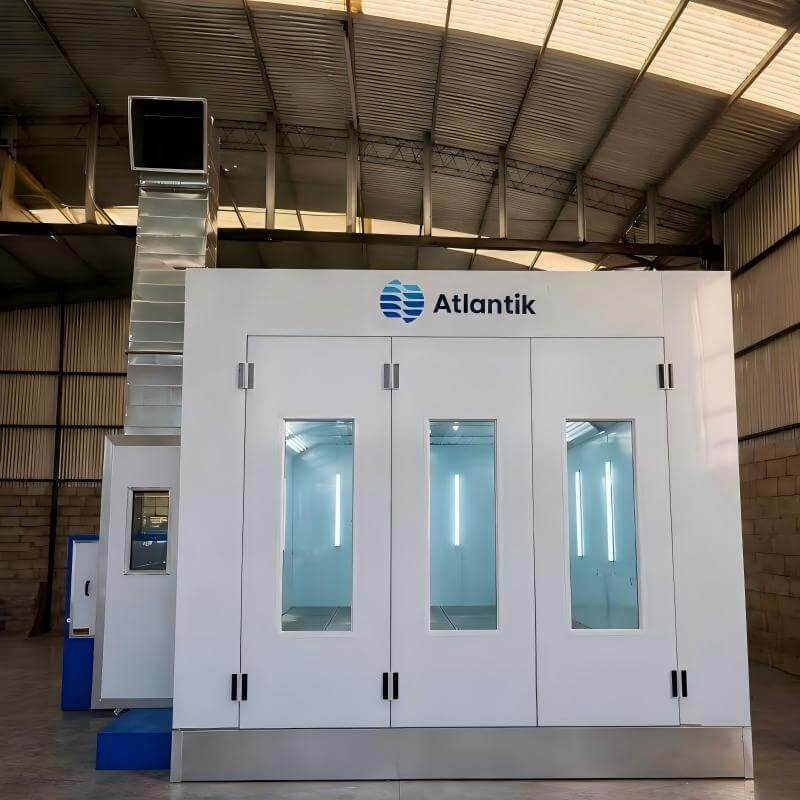
Dual-Station Paint Booth RFQ: 4000kg Lift & Site Checks
A dual-station paint booth may look suitable in a quotation, but will it work in your actual workshop? Before ordering, you need to verify station separation, heating, ventilation, lifting equipment and installation requirements. An October 15 customer visit involving a buyer from Indonesia provides a practical starting point for examining these purchasing decisions.
October 15 Customer Reception: What Was Being Considered?
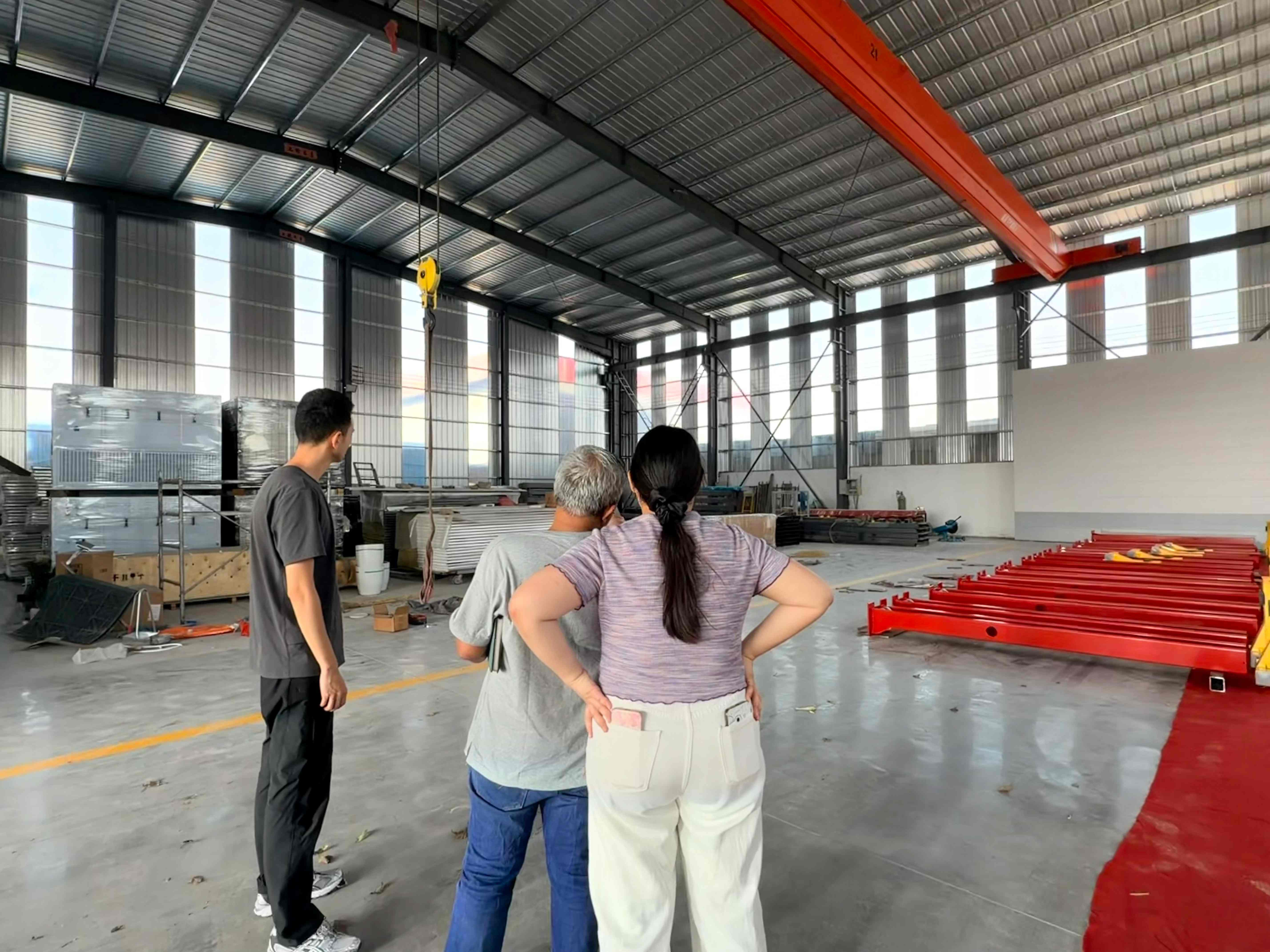
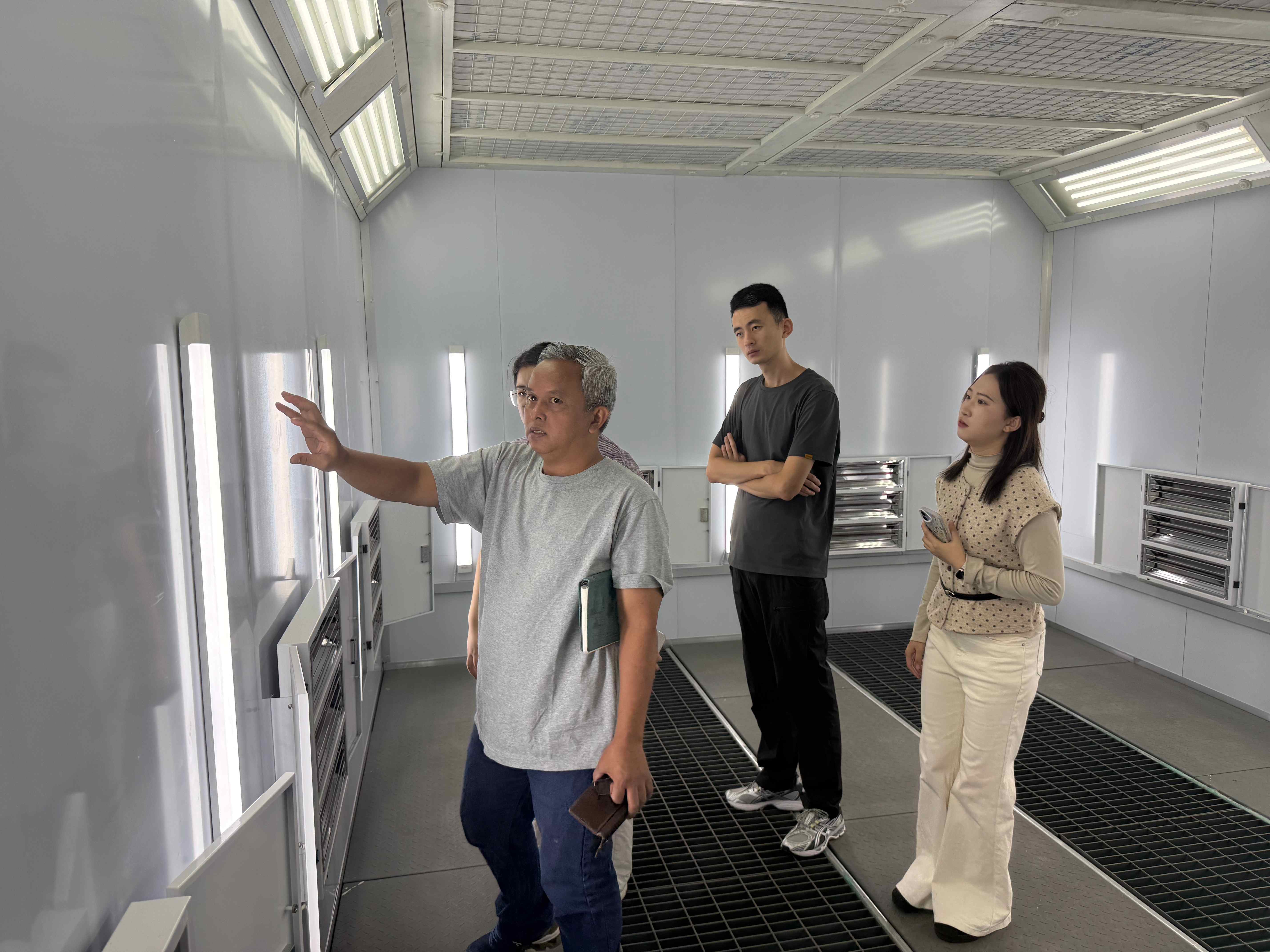
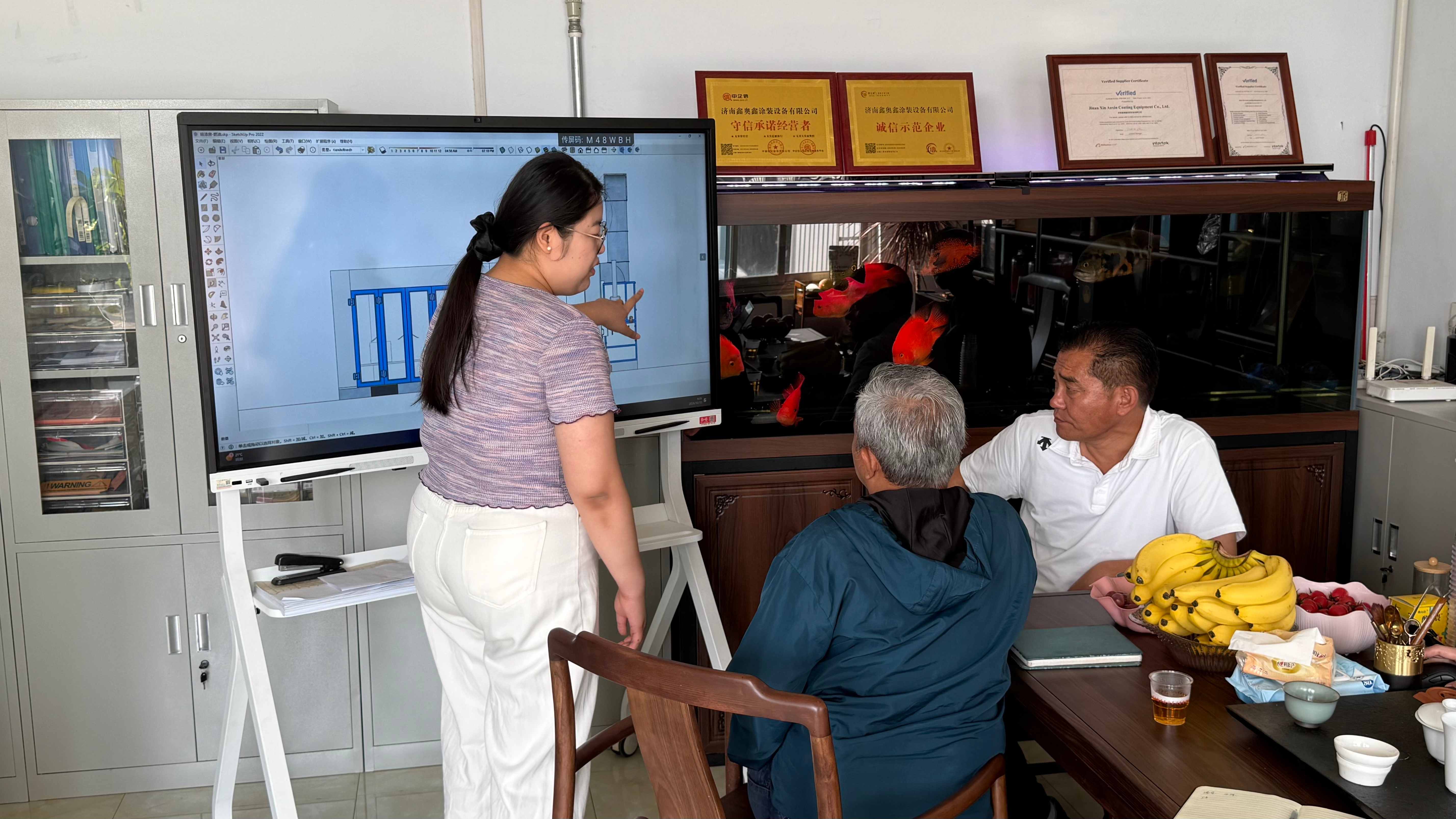
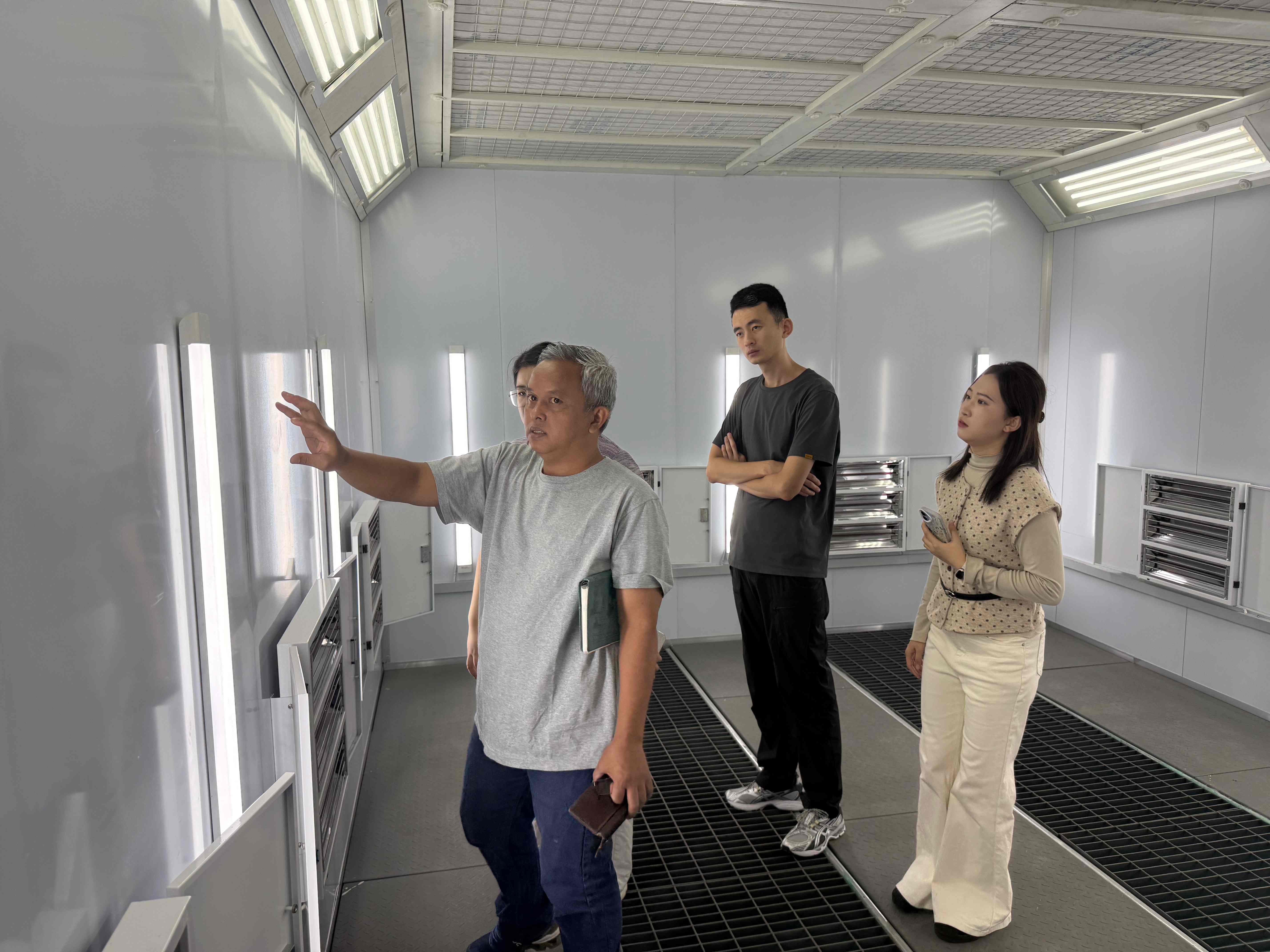
On October 15, 2026, Jinan Xinaoxin Coating Equipment Co., Ltd. received a customer from Indonesia for discussions involving automotive paint booth and lifting equipment.
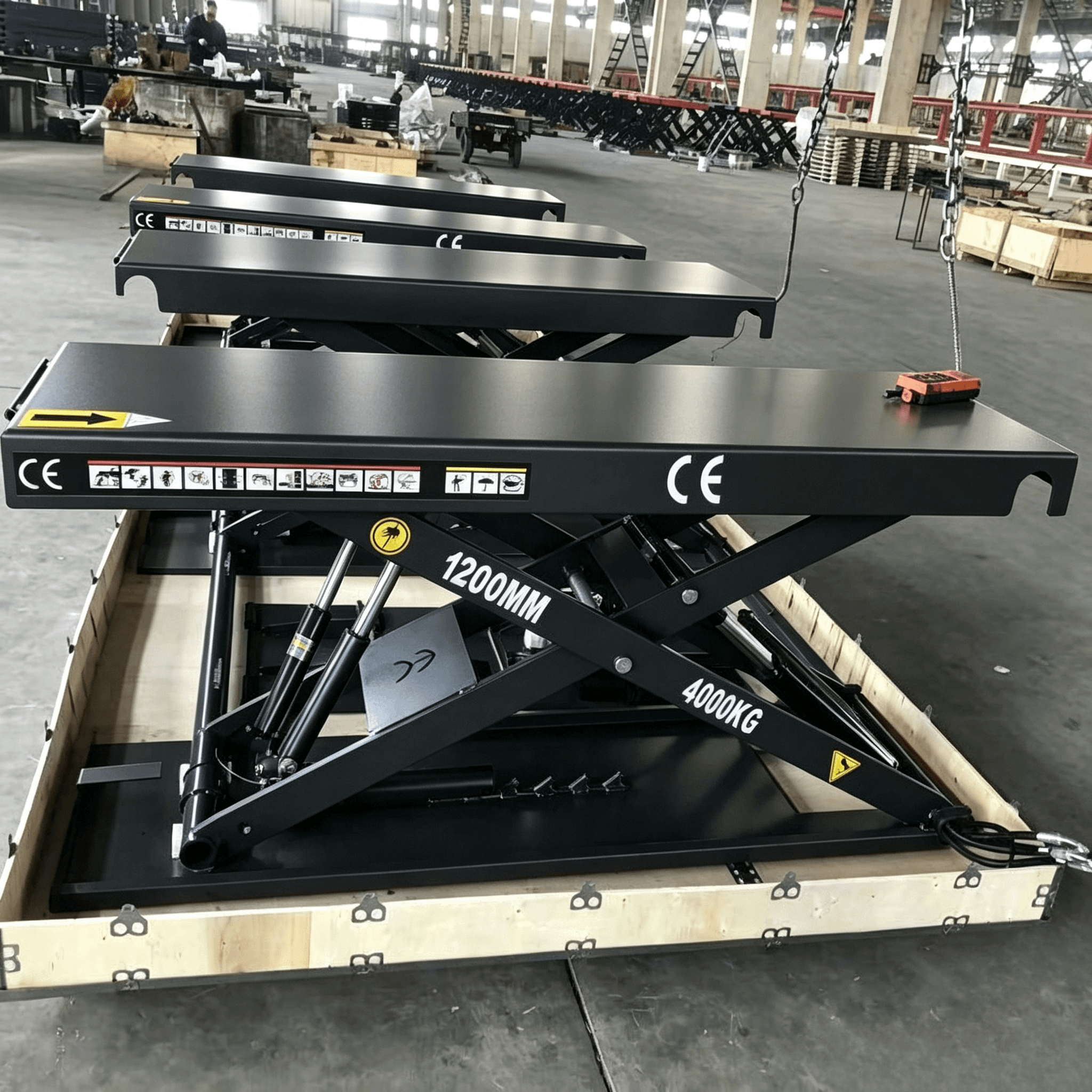
The equipment requirements covered a dual-station baking paint room and a 4000kg gantry-style lifting system.
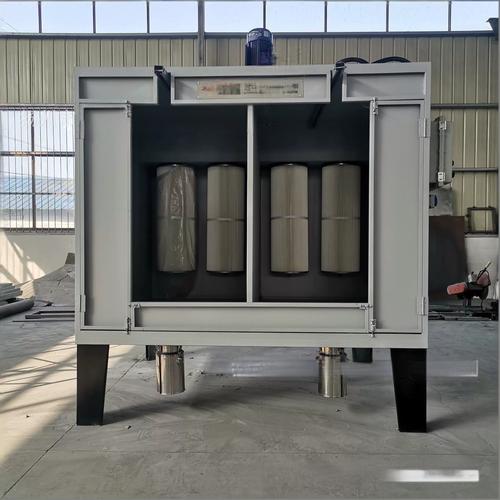
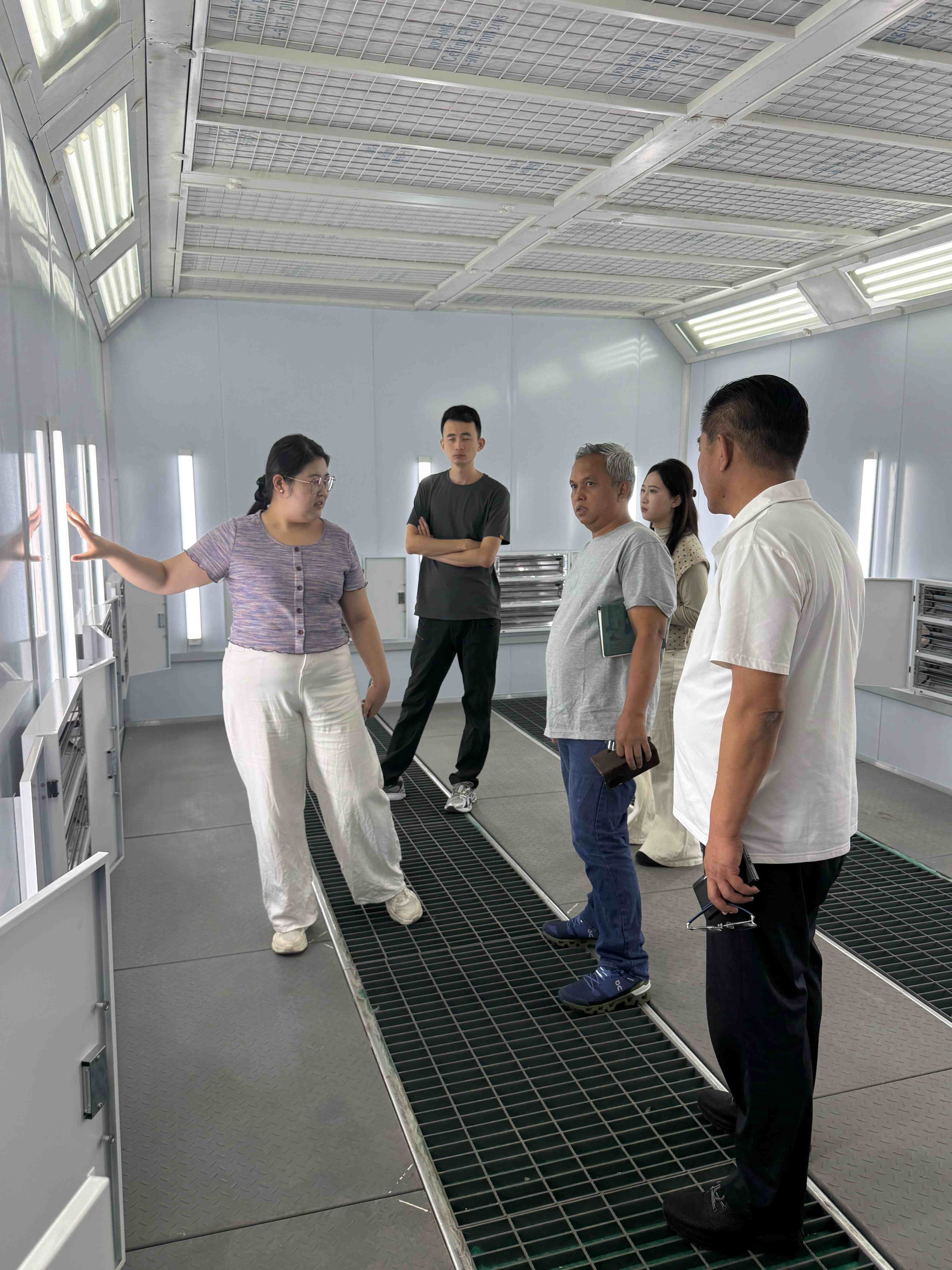
The proposed paint booth configuration included separate spraying and baking functions, an air circulation and filtration system, customizable dimensions, electric or diesel heating options, and a sound-insulated exhaust arrangement.
These requirements are relevant to wheel refinishing workshops that need dedicated coating and curing operations alongside general automotive maintenance.
However, a customer discussion is not the same as a completed equipment acceptance test. The available record does not confirm a finalized order, production test, installation or measured operating performance.
For overseas buyers, the useful lesson is how to turn an initial equipment discussion into a configuration that can be checked before manufacturing.
Start With Your Workshop Layout Before Selecting Equipment
One of the first mistakes buyers make is comparing equipment prices before checking installation conditions.
A dual-station paint booth needs more than enough space for two enclosed working areas.
You also need suitable access for component movement, operators, maintenance personnel, ventilation ducts and heating equipment.
If your workshop handles wheel refinishing, consider where wheels will be prepared, sprayed, transferred, baked and inspected.
The movement between these work areas affects the practicality of the final layout.
A booth that fits inside the building may still create handling problems if its doors face a narrow passage or if the curing station blocks access to other equipment.
For a customized paint spray booth, you should provide a workshop drawing showing available floor space, ceiling height, entrances, structural columns and existing utility connections.
The supplier can then review the proposed arrangement against the actual site instead of selecting a standard configuration based only on overall booth dimensions.
How Can You Verify That Two Stations Can Operate Simultaneously?
A dual-station design is intended to separate spraying from baking, but the term itself does not prove that both operations can run independently.
Before ordering, ask the manufacturer to explain the operating sequence.
For example, can the spraying station operate while the baking station is heating? Does the ventilation system support both conditions? Are the stations separated adequately to prevent paint mist, solvent vapors or unwanted heat transfer?
You should also understand what happens when one station enters a different operating mode.
If the system shares fans, heating equipment or controls, its ability to operate simultaneously may depend on the final engineering configuration.
A clear process diagram is particularly useful.
It should show the airflow direction, equipment connections, station separation and principal operating modes.
This allows you to distinguish between a system with two working positions and one that can genuinely perform separate spraying and baking operations at the same time under the intended conditions.
What Should the Technical Configuration Include?
Before agreeing to the final quotation, distinguish the stated equipment requirements from the specifications that still need technical confirmation.
|
Equipment Area |
Discussed Requirement |
Information to Verify |
|
Booth arrangement |
Dual-station spraying and baking |
Working dimensions and station separation |
|
Simultaneous operation |
Separate coating and baking activities |
Operating sequence and safety interlocks |
|
Lifting equipment |
4000kg gantry-style lift |
Exact model and rated lifting conditions |
|
Heating |
Electric or diesel options |
Heating capacity and temperature control |
|
Air circulation |
Ventilation and filtration |
Designed airflow and filter arrangement |
|
Finish quality |
Reduced surface defects |
Coating trials and inspection criteria |
|
Noise control |
Sound-insulated exhaust |
Measured noise levels and test conditions |
|
Environmental exhaust |
Managed discharge |
Treatment method and applicable requirements |
This comparison helps you ask more useful questions before approving the design.
For example, a supplier may confirm that electric heating is available, but the quotation should also identify the electrical power needed for the selected configuration.
Similarly, an exhaust arrangement described as environmentally friendly still needs appropriate technical evidence if compliance is part of your purchasing requirement.
Check the 4000kg Gantry Lift Against Actual Vehicles
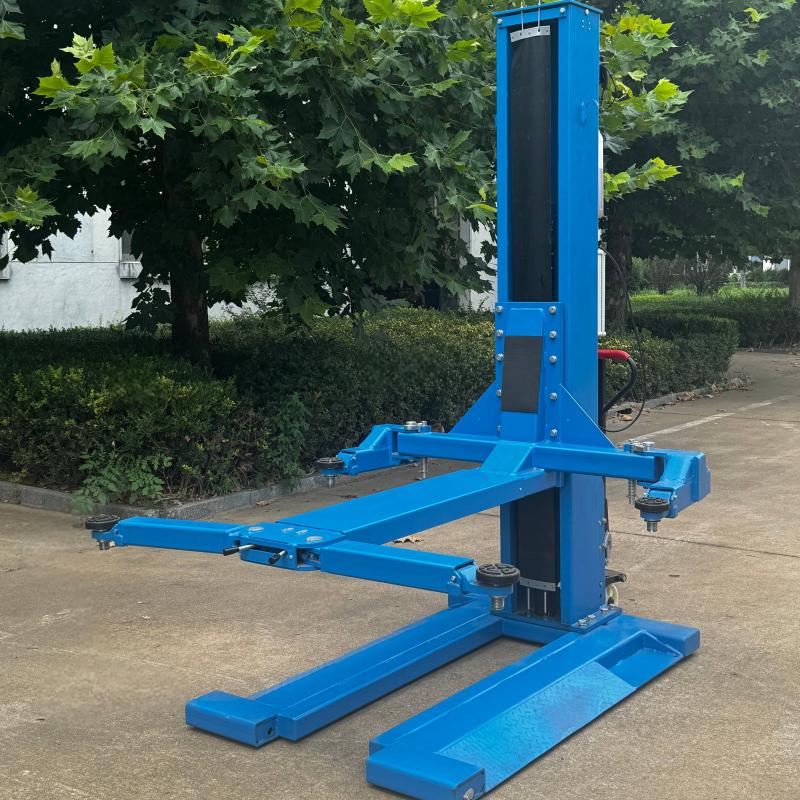
The second major equipment requirement discussed during the customer reception was a 4000kg gantry-style lifting system.
A stated 4000kg capacity is important, but it does not tell you everything about the lift.
You need to confirm the exact model, structure, lifting height, vehicle compatibility, support arrangement and installation requirements.
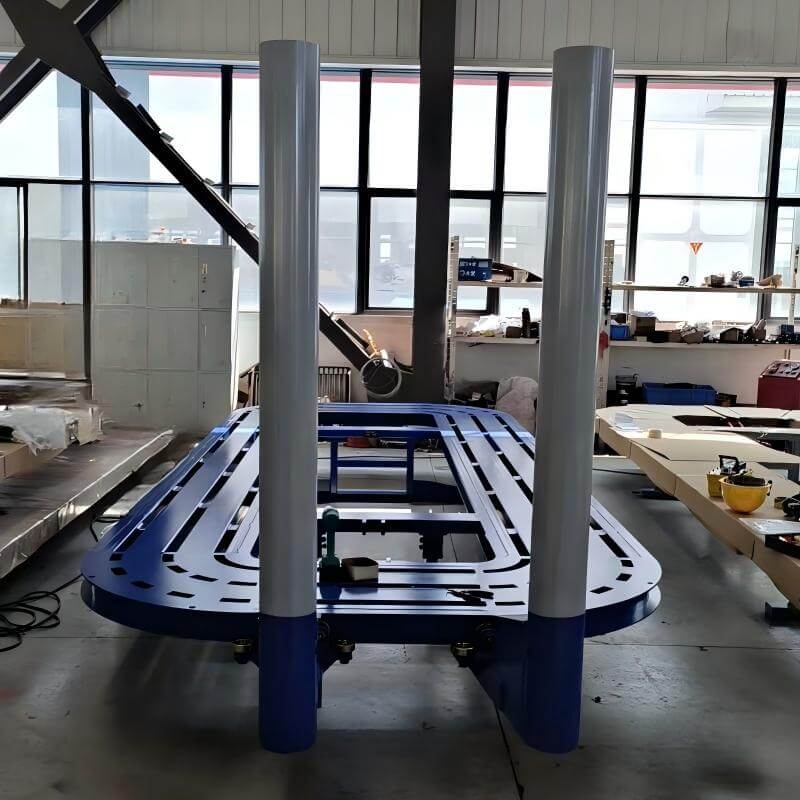
For an automotive workshop, a gantry-style lift may be used for vehicle maintenance, wheel removal and access to related components, depending on its design.
However, a vehicle lift and a device for handling individual wheel assemblies are not necessarily interchangeable.
If your workflow requires lifting or transferring wheel assemblies, the equipment supplier should confirm the appropriate lifting attachments and handling method separately.
Vehicle weight distribution must also be considered.
Even when the total vehicle mass is below 4000kg, the lifting points, arm geometry and permitted loading conditions must match the vehicle.
You can review Xinaoxin's car lift equipment to compare lifting arrangements before selecting a configuration for your service area.
For the final purchase, request the actual model's installation drawing, safety instructions and operating limitations.
Electric or Diesel Heating: What Should You Compare?
The proposed dual-station paint room allows electric or diesel heating configurations.
Selecting between them requires more than comparing equipment purchase prices.
Electric heating may be suitable where your workshop has sufficient electrical capacity and a reliable power supply.
The supplier should confirm the installed heating power, required voltage, operating temperature range and control arrangement.
Diesel heating introduces different considerations.
You need to evaluate the burner, fuel supply, heating system arrangement, exhaust requirements and maintenance access.
The fuel system must be designed for safe operation with the intended coating process.
For either option, you should ask how the baking temperature is measured and controlled.
Temperature at a control sensor does not necessarily represent the actual temperature of the coated wheel or component.
When coating performance is important, compare the required curing conditions from the paint manufacturer's technical data with the equipment's intended operating range.
No specific heating power, temperature uniformity or fuel consumption figure was supplied for this customer-discussed configuration, so these should remain RFQ confirmation items rather than advertised performance claims.
Ask for Ventilation Evidence, Not Just Filter Descriptions
Good ventilation involves more than installing powerful fans.
During spraying, the system needs to manage overspray and potentially hazardous vapors according to the coating materials being used.
During baking, it must also maintain appropriate conditions for the specified drying or curing process.
A supplier should be able to explain the proposed airflow path and the relationship between fresh-air supply, exhaust and filtration.
For a dual-station system, this is especially important because the two work areas may require different operating conditions at the same time.
Filter type and replacement access should be reviewed as part of maintenance planning.
A heavily loaded filter can change airflow resistance, affecting the working conditions inside the booth.
You should request the designed ventilation capacity, filter specifications, replacement intervals and exhaust connection requirements.
These details help you assess whether the proposed arrangement suits your coatings and daily workload.
They also provide practical information for installation planning and future maintenance.
How Should You Evaluate Paint Finish Quality?
The original equipment requirements mention smooth paint finishes and reduced orange peel.
These are reasonable objectives for a controlled coating process, but they should not be treated as guaranteed outcomes without testing.
Orange peel can be affected by coating viscosity, atomization, spray-gun settings, film thickness, flash-off conditions and curing temperature.
A properly configured paint booth supports the process by providing controlled working conditions.
It cannot compensate for every coating or application problem.
For your acceptance requirements, consider using representative wheel samples with the coating materials your workshop actually processes.
The samples should be evaluated for surface appearance, visible contamination, coating defects and any other criteria agreed with the supplier.
Where appropriate, curing verification and coating thickness measurements may also be included.
The important point is to agree on the inspection method before testing.
A statement such as “smooth finish” is subjective unless both parties understand what an acceptable result looks like.
Does a Sound-Insulated Exhaust System Guarantee Compliance?
The proposed configuration includes sound insulation and an exhaust arrangement intended to reduce noise and manage emissions.
These features may help improve workshop conditions, but they do not automatically establish compliance with local regulations.
Noise performance should be supported by measurements under defined operating conditions.
You should ask whether the quoted noise value applies to the fan alone or to the installed system.
Environmental compliance requires a separate assessment.
Paint mist filtration and solvent vapor treatment are different functions. An exhaust system that captures overspray does not necessarily control every volatile component released by the coating process.
Relevant technical references include EN 16985 for spray booth safety and standards governing associated drying equipment. Local regulations and the exact coating process determine which requirements apply.
For an international project, the final documentation should identify applicable requirements rather than make an unsupported claim of meeting all international emissions standards.
The supplied customer reception information does not confirm a specific model-level CE, UL, ALI or other certification for the discussed equipment.
Any required certification must therefore be verified against the exact configuration.
What Should a Factory Acceptance Test Cover?
For customized equipment, a factory acceptance test can help identify problems before shipment.
The test scope should be agreed upon during the purchasing process, not introduced after manufacturing is finished.
For a dual-station system, the acceptance plan may include verification of operating modes, ventilation functions, control responses and heating operation under agreed test conditions.
Where simultaneous spraying and baking are required, the supplier should demonstrate or otherwise verify that the selected configuration supports the intended operating sequence safely.
For the 4000kg lifting equipment, the acceptance documents should address rated-capacity information, safety devices, operating controls and any applicable inspection requirements.
These are proposed checks, not tests confirmed as completed during the October 15 reception.
A useful acceptance record should identify what was tested, the method used, the acceptance criteria and the observed result.
This gives both parties a clearer reference if questions arise during installation or commissioning.
Prepare a Complete RFQ Before Finalizing Your Purchase
A detailed RFQ helps reduce misunderstandings between your workshop and the equipment manufacturer.
Instead of asking only for a dual-station booth price, prepare enough information for a realistic technical proposal.
Your RFQ should cover the following areas:
- Workshop information: installation dimensions, ceiling height, access routes and available utilities.
- Coating requirements: wheel sizes, coating materials, operating stages and expected daily workload.
- Equipment configuration: station arrangement, preferred heating method, lifting applications and ventilation requirements.
- Purchase documentation: technical drawings, acceptance criteria, installation support, spare parts, warranty and required certificates.
This information allows the supplier to evaluate the project as a complete workshop arrangement.
It also makes quotations easier to compare because suppliers are responding to the same requirements.
Xinaoxin's company information describes manufacturing, equipment design, installation and after-sales activities for automotive service equipment. These capabilities can provide a starting point for discussing a customized project, but the final scope of supply and service should always be specified in the contract.
FAQ
What should I check before buying a dual-station paint booth?
Confirm station dimensions, operating independence, ventilation, heating, control functions and installation requirements. If you need spraying and baking to occur simultaneously, request a clear operating sequence and supporting technical documentation.
Is a 4000kg gantry car lift suitable for an automotive repair shop?
A 4000kg gantry-style lift may be suitable for compatible vehicles, provided its rated capacity, lifting geometry, safety systems and installation conditions match your requirements. The exact equipment model should be checked before purchase.
Can I customize a dual-station paint baking booth?
The discussed configuration allows customization of dimensions and heating options, including electric or diesel systems. Final availability depends on the approved design, intended coating process and installation conditions.
What documents should I request before shipment?
Request final equipment drawings, operating instructions, electrical and ventilation specifications, agreed acceptance records, spare-parts information, warranty terms and any conformity documents required for your project.
Conclusion
The October 15, 2026 customer reception involving a buyer from Indonesia highlights an important part of purchasing automotive refinishing equipment: the proposed configuration needs to be checked against the real workshop before an order is finalized.
A dual-station paint booth may support separate spraying and baking operations, while a 4000kg gantry-style lift can serve compatible vehicle maintenance requirements. The purchasing decision should also account for heating, ventilation, safety, installation space and documentation.
For workshop owners, importers and distributors, a clear RFQ and agreed acceptance criteria provide a more reliable basis for choosing equipment than general claims about productivity or coating quality.
If you are planning a new refinishing facility or upgrading an existing workshop, you can contact Xinaoxin with your workshop layout, vehicle types, coating requirements and preferred equipment configuration to discuss the next stage of your project.