
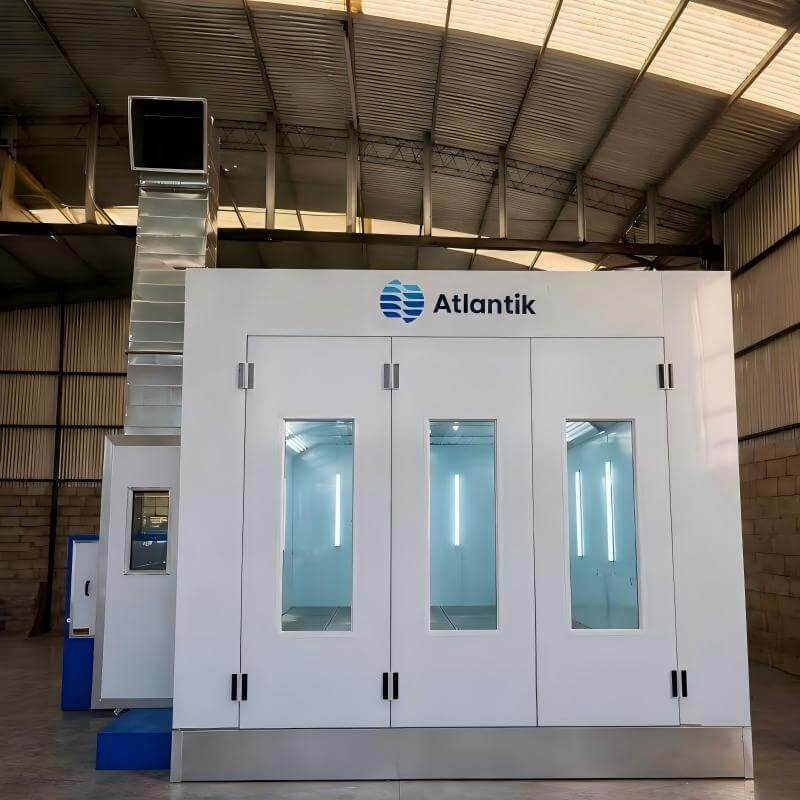
Can a Dual-Station Paint Booth Speed Up Wheel Refinishing?
When wheel refinishing jobs start piling up, waiting for paint to cure can slow down your entire workshop. A dual-station paint booth separates spraying and baking into dedicated work positions, allowing different batches to move through the coating process more efficiently. Combined with suitable lifting equipment, this arrangement can help you manage daily refinishing operations.
What Is a Dual-Station Paint Booth?
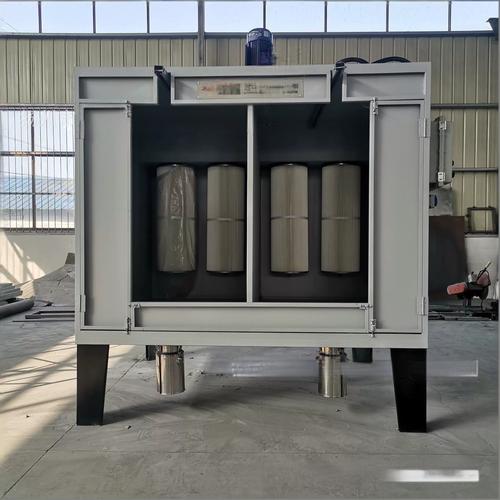
A dual-station paint booth is an automotive refinishing system designed with separate work areas for paint application and heated drying or curing.
Unlike conventional single-station automotive paint booths, a properly configured dual-station system allows one batch to undergo spraying while another completes its baking cycle.
This arrangement is particularly useful when your workshop processes multiple alloy wheels, automotive components, or repeat refinishing orders.
In a single-station spray-and-bake booth, the same enclosed space is used for both painting and curing. Once spraying is completed, the booth must finish the required flash-off and heating stages before another spraying operation can begin.
A dual-station design changes that workflow.
You can prepare the next batch for spraying while the previous batch moves through its specified baking cycle, provided the two stations have suitable separation, ventilation, and operating controls.
The main advantage is not simply having two working areas. It is the ability to reduce unnecessary waiting between coating operations.
However, actual output still depends on your coating materials, batch sizes, curing schedule, and staffing arrangements.
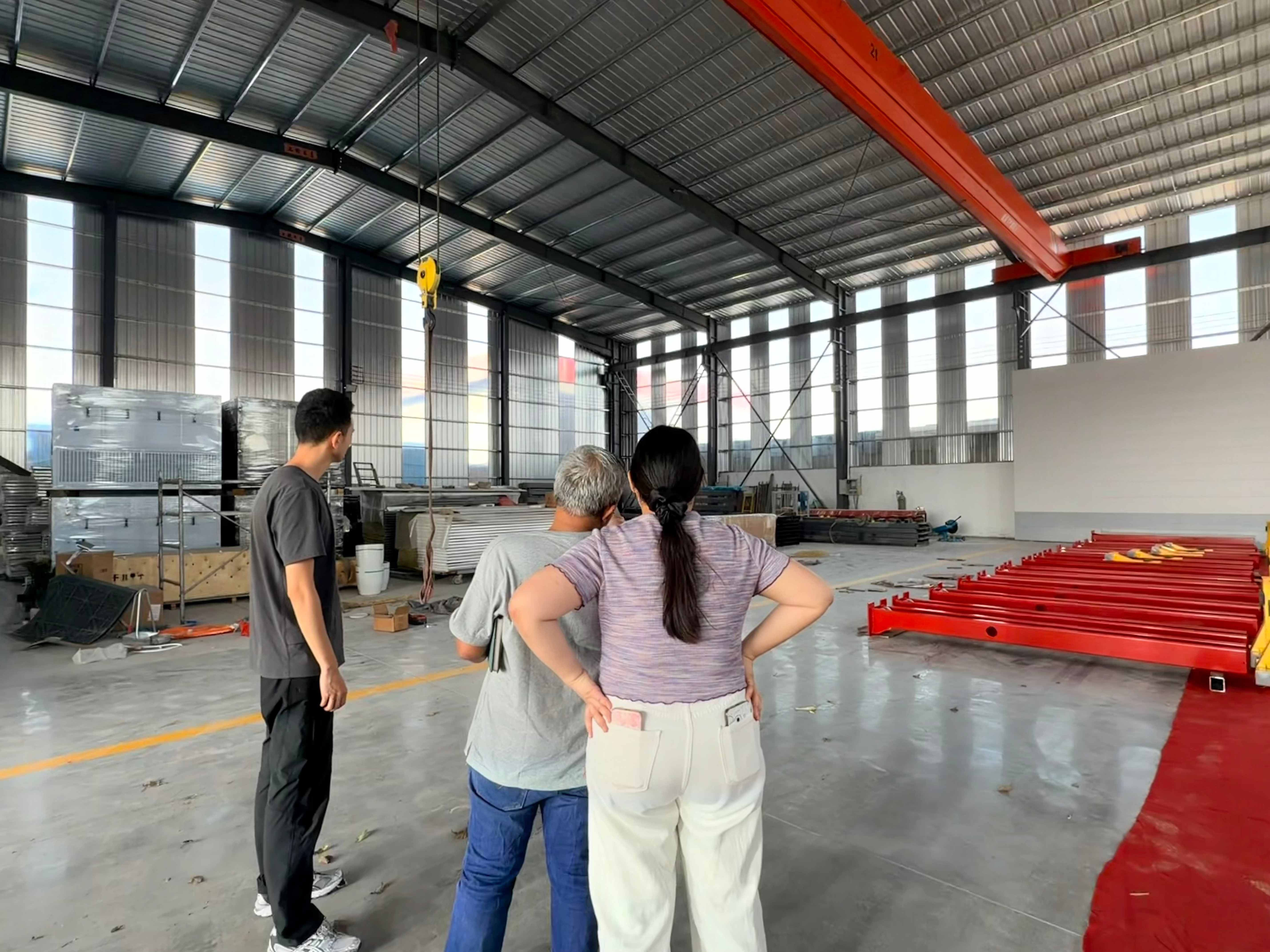
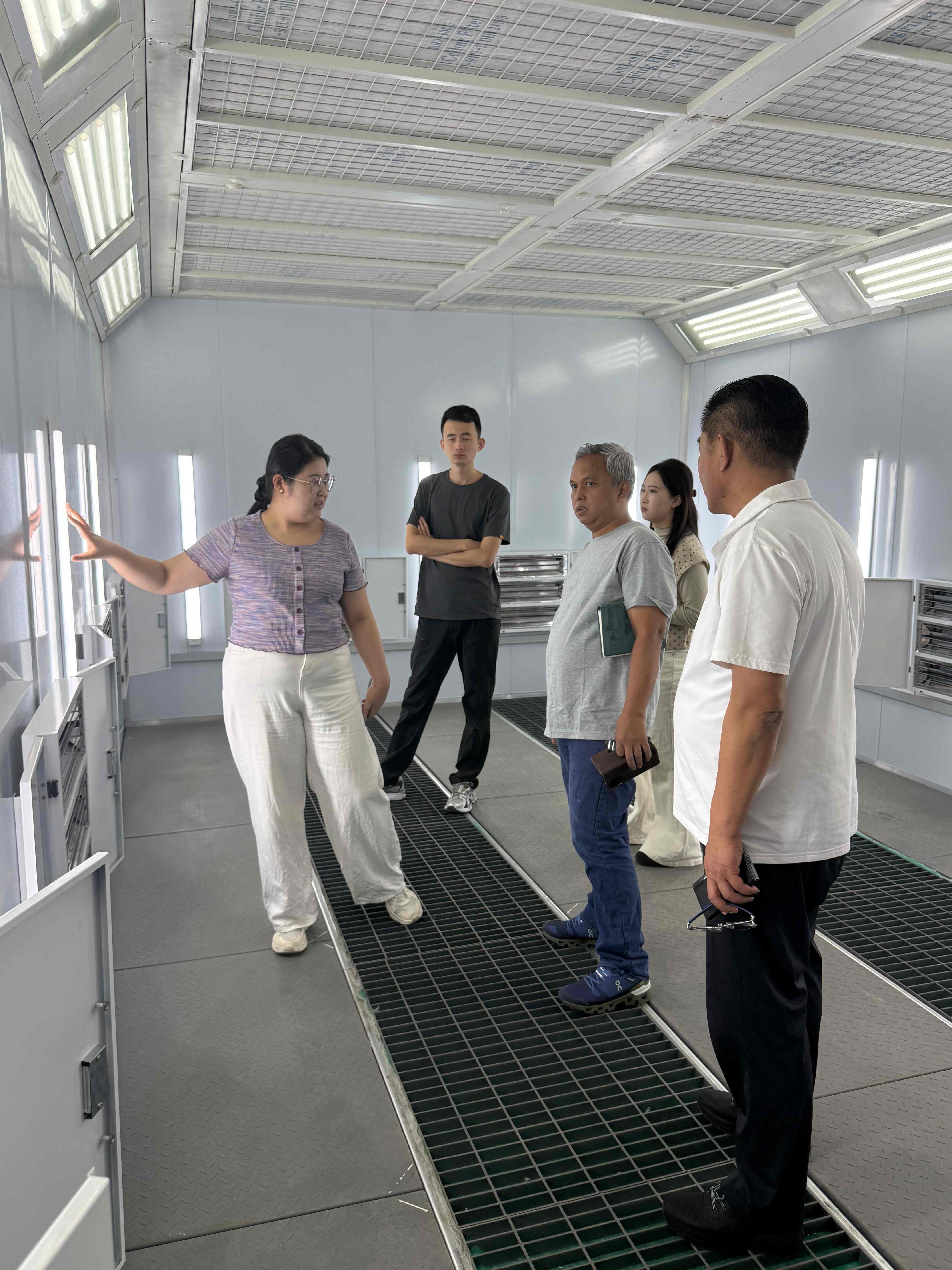
October 15 Customer Visit: Dual-Station Paint Booth and 4000kg Lift
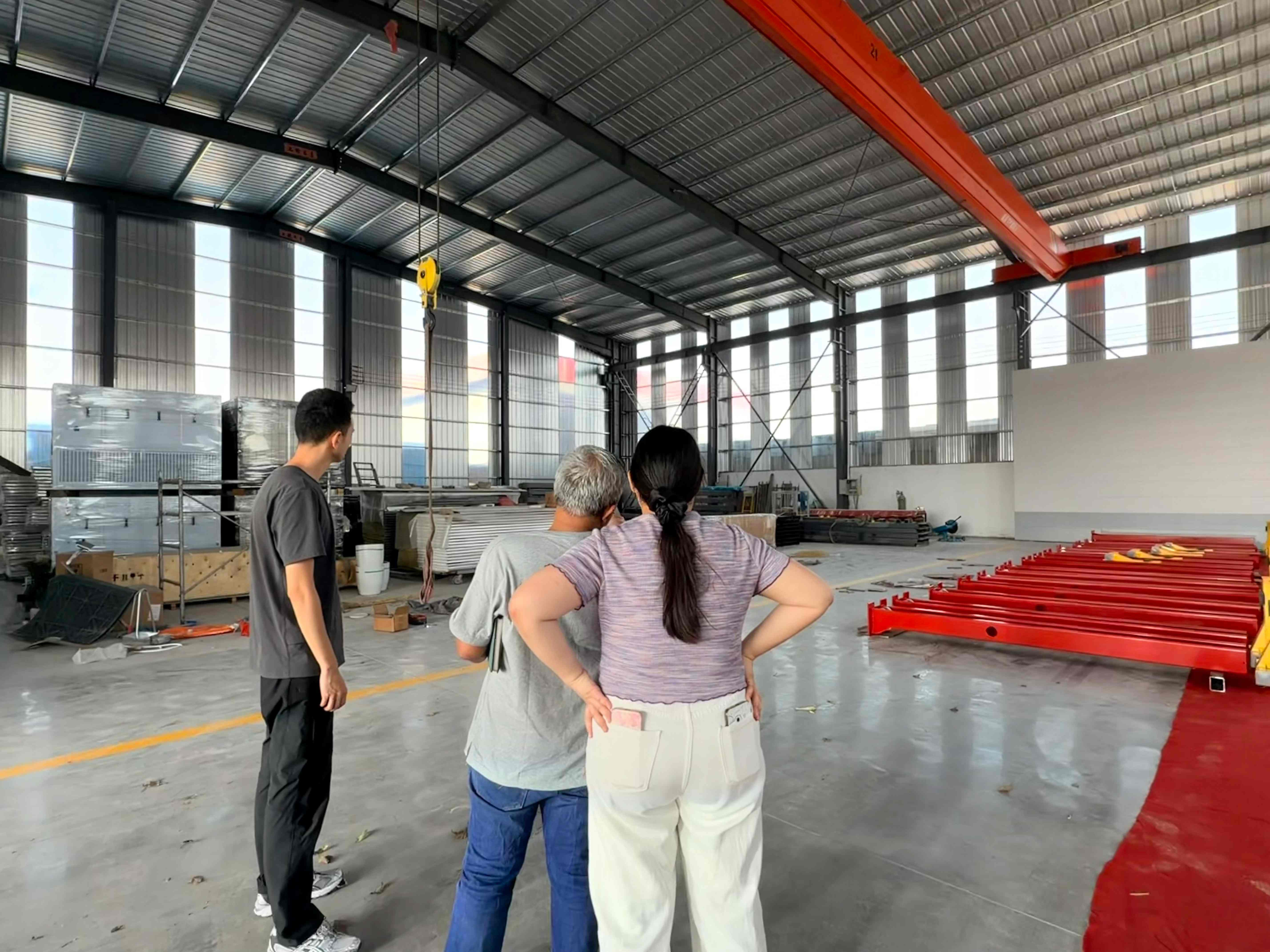
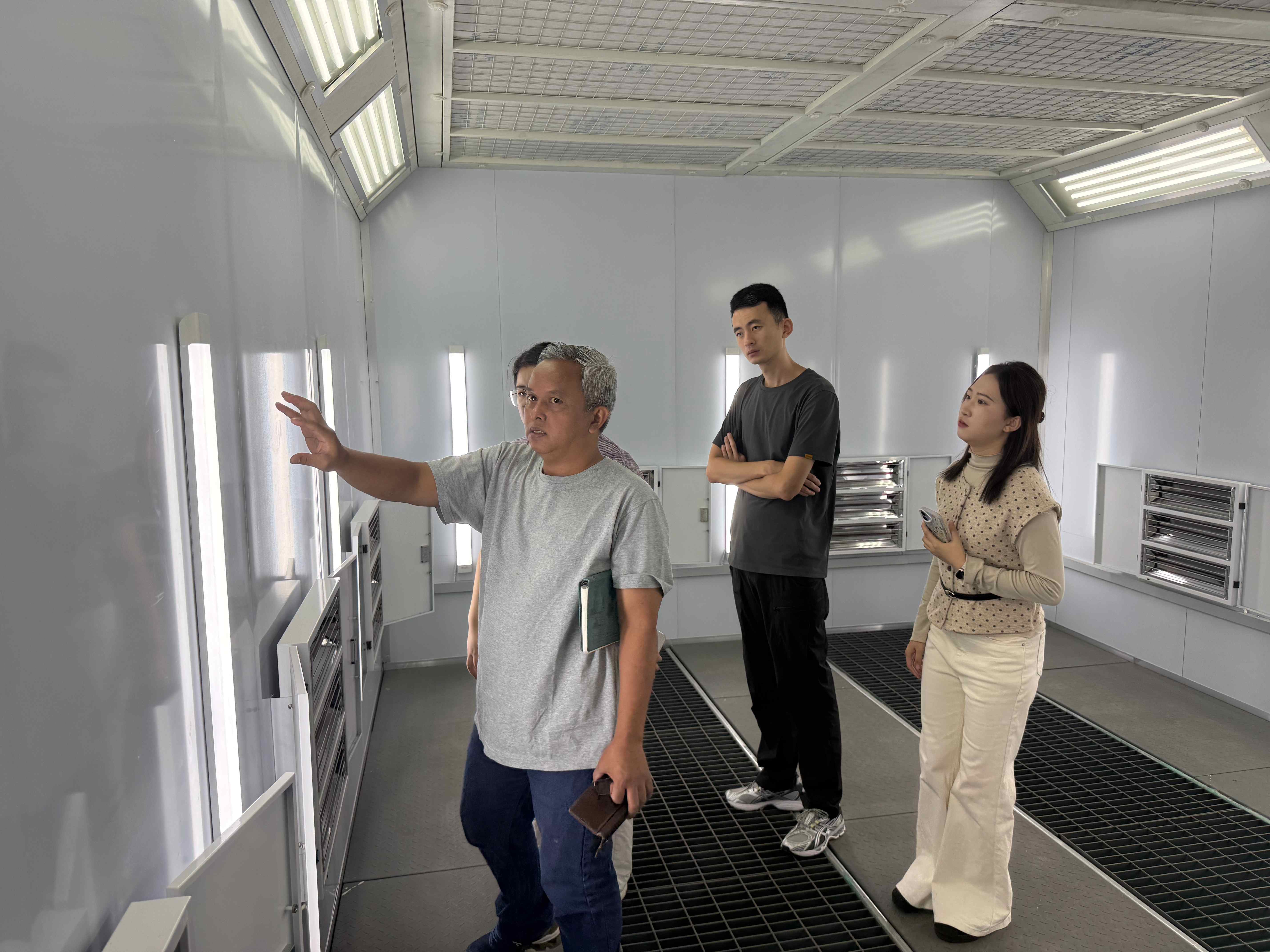
On October 15, 2026, Jinan Xinaoxin Coating Equipment Co., Ltd. received a customer from Indonesia for discussions involving automotive refinishing equipment.
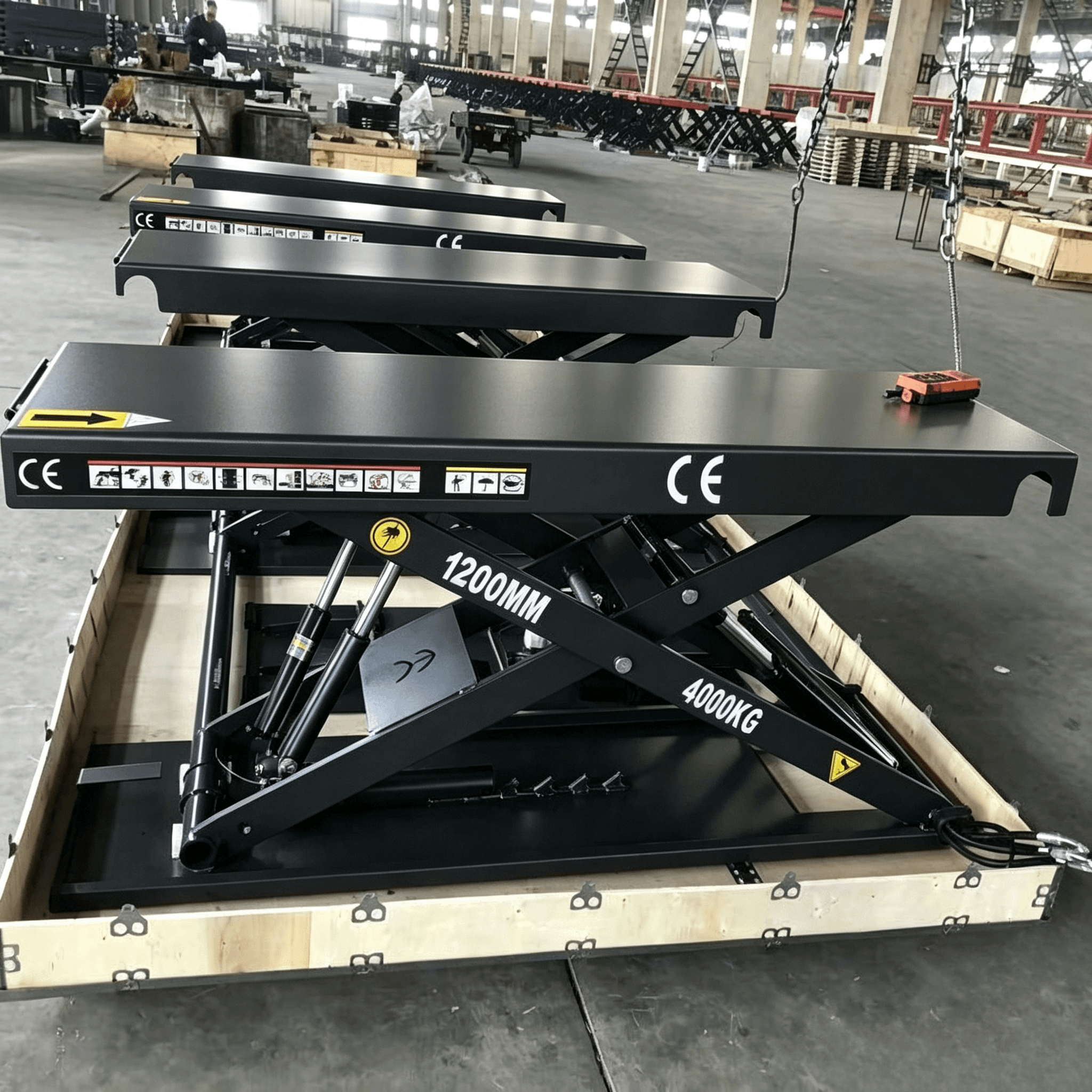
The equipment requirements included a dual-station baking paint room and a 4000kg gantry-style lifting solution.
The proposed paint booth arrangement focused on separating spraying and baking operations to support wheel refinishing and related automotive coating work.
For workshops processing multiple wheels during a shift, this arrangement can reduce interruptions caused by using the same enclosed space for different coating stages.
The lifting equipment was another important part of the discussion.
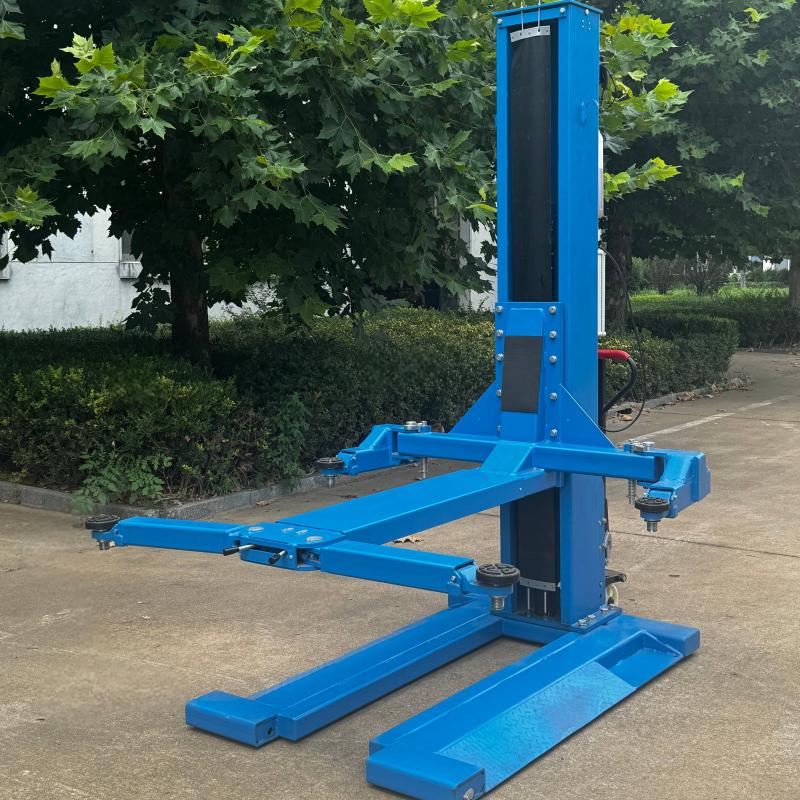
Xinaoxin has also documented a 4000kg gantry two-post lift featuring an overhead beam structure and adjustable support arms. This provides a useful technical reference for buyers evaluating heavy-duty vehicle lifting equipment.
The discussed booth configuration also included air circulation and filtration, customizable dimensions, electric or diesel heating options, and a sound-insulated exhaust arrangement.
For an automotive repair business, these specifications need to be evaluated together.
A paint booth may offer suitable coating conditions, but it must also fit the workshop layout, available utilities, and daily production requirements.
The October 15 event was a customer reception and equipment discussion. The available project information does not confirm a completed order, installation, or final operating results.
Why Do Two Paint Booth Stations Improve Workflow?
The main advantage of a dual-station automotive paint booth is the ability to separate operations that would otherwise compete for the same working space.
Consider a workshop that handles alloy wheel restoration throughout the day.
After preparation, technicians apply primer, basecoat, or clearcoat according to the selected coating system.
Different coating layers require specific flash-off periods, and some coatings also require heated curing.
If you use a single shared spray-and-bake station, that space may remain unavailable for another spraying job during the baking cycle.
With a properly designed dual-station system, these operations can overlap.
For example, assume a batch requires 40 minutes of spraying-related work and 50 minutes of subsequent baking.
In a single sequential station, these stages occupy the same working space for approximately 90 minutes, excluding additional handling.
With two appropriately configured stations, the next batch can enter the spraying area while the previous batch occupies the baking area.
Under these hypothetical conditions, the theoretical steady-state processing interval could approach 50 minutes per batch instead of 90 minutes.
This is an illustrative workflow calculation, not a tested equipment output or guaranteed productivity improvement.
Actual results depend on flash-off time, component transfer, cleaning, operator availability, and the slowest processing stage.
The important point is that a dual-station arrangement may reduce waiting without shortening the coating manufacturer's required curing time.
For workshops handling occasional wheel painting, a smaller compact wheel spray booth may already provide sufficient capacity.
If spraying and baking regularly create a production queue, however, separating these operations becomes more valuable.
How Does a 4000kg Gantry-Style Car Lift Support Workshop Operations?
A 4000kg gantry-style car lift provides a nominal lifting capacity of four metric tonnes when operated within the manufacturer's specified conditions.
For automotive workshops, suitable lifting equipment helps technicians access vehicles for tire servicing, wheel removal, brake inspection, suspension maintenance, and related repair work.
This can be useful when wheel refinishing is part of a broader automotive repair business.
Instead of treating vehicle servicing and wheel restoration as completely separate activities, you can organize the workshop around the actual movement of vehicles and components.
The gantry-style structure uses an overhead beam connecting the lifting columns.
This arrangement can support structural rigidity and controlled lifting when correctly designed and installed.
However, the stated lifting capacity is not the only factor you should consider.
Vehicle weight distribution, lifting-point positions, adjustable arm reach, and foundation conditions all affect safe operation.
Before selecting a gantry-style vehicle lift, confirm the following:
-
Rated lifting capacity and permitted load distribution.
-
Maximum lifting height and available overhead clearance.
-
Support arm configuration and mechanical safety devices.
-
Foundation requirements and electrical specifications.
You should also confirm whether any proposed wheel-assembly handling requires separate attachments or fixtures.
A gantry-style car lift should not be treated as part of the paint booth itself unless the final engineering drawings specifically identify an integrated arrangement.
For workshop planning, the lifting equipment and paint booth should be evaluated as separate systems that support the same overall workflow.
Air Circulation and Filtration: What Affects Paint Quality?
Air circulation is one of the most important parts of an automotive spray booth.
During spray painting, not every paint particle reaches the workpiece. Some material remains suspended in the air as overspray.
Without suitable extraction and filtration, these particles can accumulate inside the working area, reduce visibility, and contaminate nearby surfaces.
For wheel refinishing, this matters because alloy wheels have narrow spokes, recessed sections, and curved transitions.
These shapes can make overspray management more difficult than coating a relatively flat panel.
A controlled automotive paint spray room helps manage airborne paint mist through appropriately designed ventilation and filtration equipment.
The proposed dual-station configuration includes an air circulation and filtration arrangement intended to support a more controlled painting environment.
However, actual ventilation performance depends on the complete system.
Fan capacity, duct arrangement, filter resistance, and air distribution must be considered together.
A powerful fan alone does not guarantee suitable airflow across the working area.
Filters also require regular inspection because accumulated overspray gradually increases resistance to airflow.
For a dual-station booth, you should confirm how ventilation is managed when spraying and baking take place at the same time.
The two operations may require different airflow and temperature conditions.
The supplier should therefore explain whether each station has independent ventilation, shared supporting equipment, or another engineered operating arrangement.
Before ordering, request the designed airflow rate, filtration specifications, ventilation drawings, and maintenance instructions.
These documents are more useful for technical evaluation than generalized claims of high-efficiency filtration.
Can Uniform Baking Temperature Reduce Orange Peel?
Orange peel is a common appearance defect in automotive refinishing.
Instead of forming a smooth surface, the coating develops a visible texture resembling orange skin.
Temperature can influence paint flow, solvent evaporation, and curing behavior, but it is not the only factor involved.
Incorrect coating viscosity, unsuitable spray pressure, poor atomization, excessive film thickness, and insufficient flash-off time may also contribute to the problem.
A dual-station paint baking room with controlled heating and air circulation can provide more repeatable conditions during the drying or curing stage.
For workshops processing multiple wheels with the same coating system, stable temperature control can make the process easier to manage.
However, temperature uniformity should be supported by actual measurements.
You should ask the supplier about temperature control accuracy, heating distribution, and available temperature-uniformity test results.
The required curing temperature and time must also match the coating manufacturer's technical data.
Remember that the air temperature displayed by the control system may differ from the actual temperature of the coated component.
A properly selected baking system should support the required coating process rather than simply operate at the highest available temperature.
Electric vs Diesel Heating: Which Paint Baking Booth Is Better?
The proposed dual-station paint booth can be configured with electric or diesel heating.
Both options can be suitable for automotive refinishing, but their operating requirements differ.
Electric Paint Baking Booth
Electric heating may be practical when your workshop has sufficient electrical capacity and wants a heating system without on-site fuel combustion.
An appropriately designed electric heating arrangement can support controlled temperatures through heating elements, sensors, and electronic controls.
Before selecting this option, confirm the total connected power, voltage, phase requirements, heating capacity, and expected electricity consumption.
You should also check whether your existing electrical infrastructure can support the additional demand.
Diesel-Heated Paint Baking Booth
Diesel heating may be considered where electricity costs are relatively high or available electrical capacity is limited.
Its suitability depends on burner design, heat-exchanger arrangement, fuel consumption, ventilation, and maintenance requirements.
Fuel-fired heating equipment must be engineered to manage combustion products safely and prevent contamination of the coating process.
When comparing the two options, calculate operating costs using actual heating cycles, local energy prices, and expected daily workloads.
Xinaoxin also offers car paint spray ovens for automotive refinishing applications. Reviewing these equipment options can help you identify the heating and temperature-control requirements relevant to your workshop.
The correct heating system should be selected according to your coating materials, available utilities, and operating schedule.
A lower initial equipment price does not necessarily produce a lower cost per finished wheel.
Why Are Custom Paint Booth Dimensions Important?
Automotive repair workshops rarely have identical floor layouts.
One business may operate a dedicated alloy wheel restoration area. Another may combine wheel repair, vehicle painting, tire servicing, and mechanical maintenance in the same building.
A standard booth dimension may not fit both situations.
The proposed dual-station system offers customizable dimensions, allowing the layout to be discussed according to the available workshop space and intended production process.
Before requesting a final design, measure the usable floor area rather than relying only on the building's overall dimensions.
You need sufficient clearance for operator movement, equipment loading, door opening, ventilation connections, and maintenance access.
The route between preparation, spraying, baking, and inspection areas also matters.
A booth that physically fits inside your workshop may still create handling problems if components cannot move conveniently between working positions.
For dual-station systems, confirm whether the spraying and baking areas have independent access and whether the equipment arrangement supports the intended simultaneous operations.
Final installation drawings should show the working areas, overall dimensions, required clearances, and utility connection points.
Can a Sound-Insulated Exhaust System Meet Workshop Requirements?
The proposed booth includes a sound-insulated exhaust arrangement intended to reduce operating noise and manage process exhaust.
These features can be useful in automotive repair workshops where spray booth operation takes place near other working areas.
However, actual noise performance depends on fan selection, operating speed, duct design, and installation conditions.
If workshop noise is an important purchasing consideration, request measured sound pressure levels in dB(A), together with the corresponding test conditions and measurement distance.
Environmental performance requires separate evaluation.
A filtration system designed to capture paint mist does not automatically remove solvent vapors or satisfy every applicable emissions requirement.
Compliance depends on the coating materials, exhaust treatment, installation arrangement, local emissions limits, and any required testing.
For overseas workshop projects, you should identify the applicable environmental and fire-safety requirements before finalizing the equipment configuration.
Specific compliance claims should be supported by relevant documentation rather than a general statement that the equipment meets international standards.
What Specifications Should You Confirm Before Ordering?
A reliable equipment quotation should distinguish the proposed configuration from specifications that still require technical confirmation.
The October 15 customer discussion provides the following initial equipment information.
| Equipment Item | Discussed Configuration | What You Should Confirm |
|---|---|---|
| Paint Booth Layout | Dual Station | Station dimensions and separation |
| Main Operations | Spraying and Baking | Simultaneous operating conditions |
| Lifting Equipment | 4000kg Gantry Style | Rated capacity and lifting mechanism |
| Air System | Circulation and Filtration | Airflow rate and filter specifications |
| Heating Options | Electric / Diesel | Heating capacity and temperature range |
| Equipment Dimensions | Customizable | Final installation drawings |
| Noise Management | Sound-Insulated Exhaust | Measured operating noise |
| Environmental Exhaust | Exhaust Arrangement | Applicable emissions requirements |
| Control System | Configuration-Dependent | Available functions and operating controls |
These are discussed equipment requirements, not completed performance test results.
Before purchasing, you should also request operating manuals, electrical diagrams, maintenance instructions, spare-parts information, and warranty conditions.
For lifting equipment, verify the relevant safety documentation and installation requirements.
For spray-finishing equipment, particular attention should be paid to ventilation, electrical safety, fire protection, and the handling of flammable coating materials.
The supplied customer record does not establish that the proposed equipment holds any specific CE, UL, ALI, or other model-level certification.
If certification is required for your project, request documentation covering the exact equipment model and configuration.
How Do You Choose the Right Dual-Station Paint Booth?
The best dual-station paint booth is the one that matches your actual refinishing workload.
Start by reviewing how many wheels or automotive components you process during a typical shift.
Then record the time required for preparation, spraying, flash-off, baking, cooling, and final inspection.
These figures help identify whether your main production restriction is paint application, curing time, or component handling.
If baking regularly keeps your existing booth occupied while technicians wait to spray another batch, a dual-station arrangement may be worth considering.
Next, confirm the coating system.
Different primers, basecoats, and clearcoats may require different application conditions and drying schedules.
Your heating and ventilation equipment should be selected around those requirements.
You should also compare different paint spray booth configurations before selecting a customized system.
A smaller booth may be appropriate for occasional component refinishing, while a larger dual-station arrangement may better suit workshops with frequent repeat orders.
Supporting equipment should be evaluated separately.
A 4000kg gantry-style lift may improve vehicle servicing operations, but its suitability depends on the vehicles you handle, your installation conditions, and the lifting requirements.
The final decision should consider the complete workshop workflow rather than individual equipment features alone.
Frequently Asked Questions
Can a dual-station paint booth use both electric and diesel heating?
The proposed system offers electric and diesel heating as configuration options. The final choice depends on available energy sources, heating requirements, operating costs, and installation conditions. This does not mean both systems are included in the same standard unit.
Is a 4000kg gantry-style car lift suitable for every vehicle?
No. A 4000kg rating specifies nominal lifting capacity, but suitability also depends on vehicle dimensions, weight distribution, approved lifting points, and the manufacturer's instructions. These conditions must be checked before selecting or operating the lift.
Can a dual-station paint booth be installed in an existing workshop?
Yes, installation may be possible if sufficient floor space, ventilation routes, electrical or fuel supply, and safety clearances are available. The building layout and technical requirements should be evaluated before finalizing the equipment dimensions.
What documents should overseas buyers request for environmental compliance?
You should request ventilation specifications, filter information, applicable emissions test reports, electrical and fire-safety documentation, and any conformity certificates required by the destination market. The exact documentation depends on local regulations and the coating materials used.
Conclusion
A dual-station paint booth can help automotive refinishing workshops separate spraying and baking operations, reducing unnecessary waiting between coating stages when the system is properly configured.
The October 15, 2026 customer discussion involving a buyer from Indonesia covered a dual-station baking paint room and 4000kg gantry-style lifting equipment, together with heating options, filtration, exhaust design, and workshop installation requirements.
For wheel refinishing businesses, the equipment should be selected according to actual production volume, coating materials, available space, and operating conditions.
If you are planning a new automotive refinishing workshop or upgrading an existing production area, you can contact Xinaoxin with your workshop layout, expected daily workload, wheel sizes, coating requirements, and preferred heating source to discuss a suitable equipment configuration.