
How Can a 100kN Frame Machine Support Collision Repair?
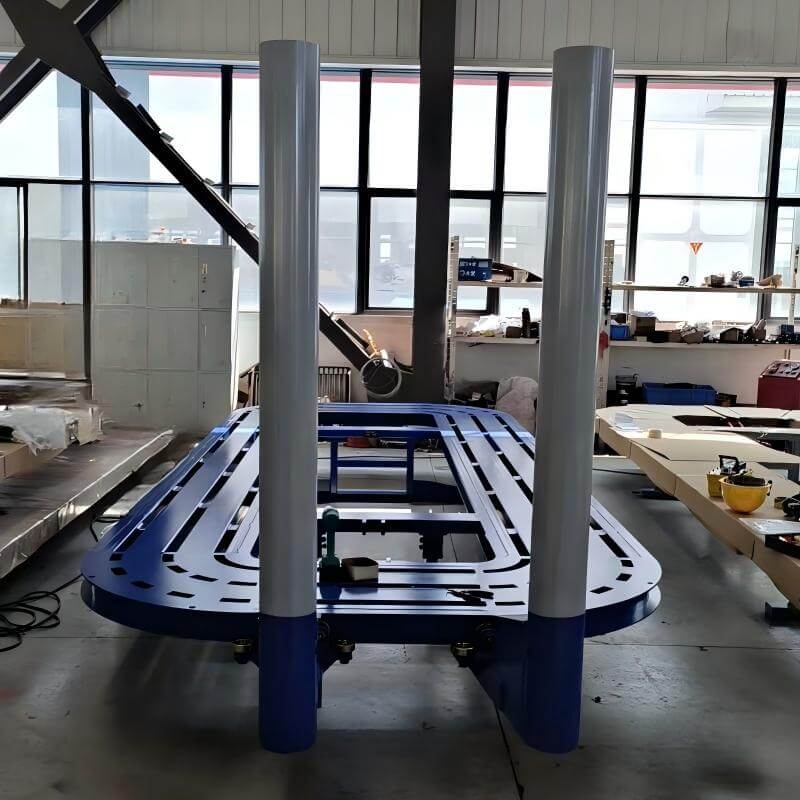
When collision damage affects a vehicle's structural geometry, ordinary panel repair is not enough. You need controlled pulling force, secure vehicle clamping, and a stable working platform. The LT-1600 auto body frame machine combines a 5600 × 2200mm workbench, 100kN maximum pulling force, and a 70 MPa hydraulic system for professional collision repair.
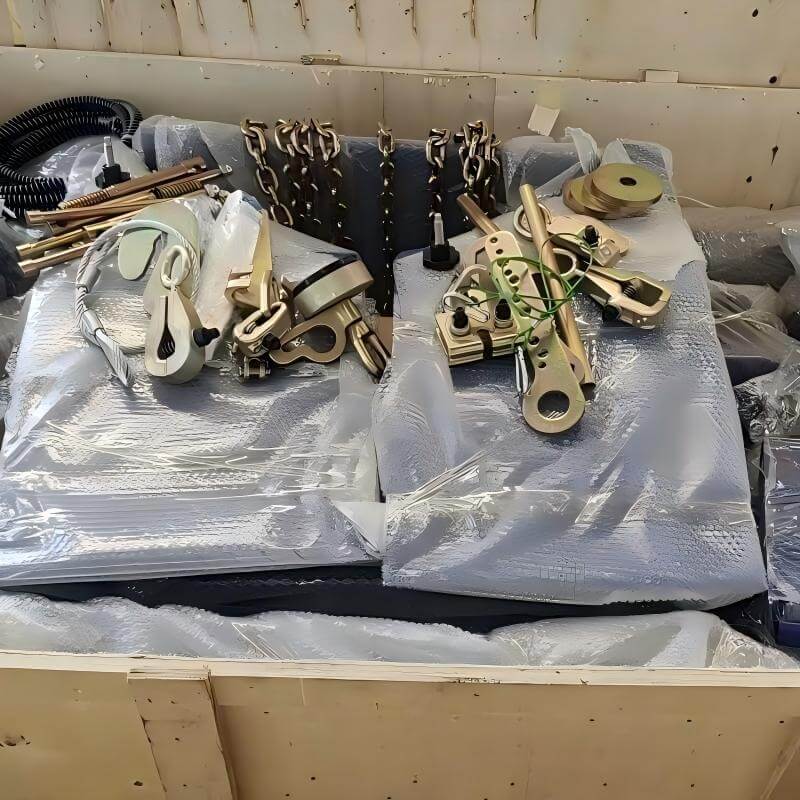
Why Does a Collision Repair Shop Need a Frame Machine?
After a serious impact, vehicle damage is not always limited to visible doors, fenders, or bumpers.
The chassis, structural rails, mounting points, and other body sections can move away from their intended positions. If those structural changes are not corrected properly, simply replacing exterior panels may not restore the vehicle geometry required for proper assembly and operation.
This is where an auto body frame machine becomes important.
The LT-1600 provides a stable platform where you can secure the damaged vehicle and apply controlled pulling force to affected areas. Instead of relying on improvised pulling methods, the repair process can be carried out on equipment designed specifically for structural correction.
For a professional collision repair shop, this gives technicians a more organized way to approach body straightening work.
The objective is not simply to pull damaged metal until it looks correct. You need to compare the vehicle structure with specified reference dimensions, control the pulling direction, and gradually bring damaged sections back toward the required geometry.
LT-1600 Auto Body Frame Machine Specifications
The LT-1600 uses a workbench measuring 5600 × 2200 × 520mm. The hydraulic system is rated at 70MPa, while the required operating air pressure is 0.8MPa.
The maximum tension force is 100kN, and the stated maximum lifting weight on one side is 3500kg.
The supplied electrical configuration is 220V, 50Hz, single-phase.
These figures provide the basic technical reference for evaluating whether the LT-1600 fits your collision repair operation.
The 100kN pulling-force specification refers to the maximum tension capability provided in the supplied product data. It should not be interpreted as the force required for every repair. Actual pulling force and direction depend on the vehicle, damaged section, deformation pattern, and repair procedure.
No specific body measurement tolerance, CE, UL, or other product certification was included in the supplied information. If your market requires specific compliance documentation, this should be confirmed separately before ordering.
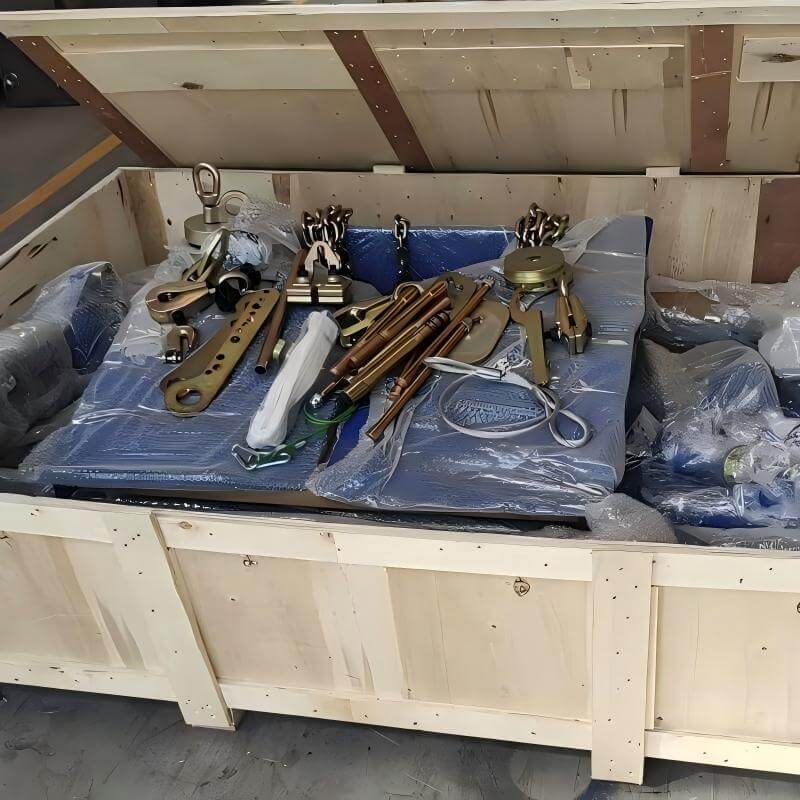
A 5600 × 2200mm Workbench Creates a Stable Repair Area
The LT-1600 workbench measures 5600mm long and 2200mm wide, with a platform height of 520mm.
For a body repair shop, the platform size matters because the vehicle needs to be positioned securely before structural correction begins.
A long platform gives you space to accommodate compatible sedans, SUVs, and different passenger vehicles while leaving access around the damaged areas.
The 2200mm width also provides a substantial working base for vehicle positioning and clamping.
During collision repair, stability is important.
When pulling force is applied to a damaged structural section, the rest of the vehicle needs to remain securely held in position. If the vehicle moves unnecessarily during the correction process, technicians may have more difficulty controlling the repair direction.
The solid workbench structure therefore acts as the foundation of the body straightening process.
For your technicians, a dedicated frame machine also creates a defined collision repair workstation instead of requiring structural pulling work to be carried out in a general-purpose service area.
A 100kN Pulling Force Supports Structural Correction Work
The LT-1600 provides a maximum tension force of 100kN.
That pulling capacity gives technicians the force required for a range of structural correction tasks on compatible passenger vehicles.
Collision damage can affect longitudinal rails, front or rear structural areas, side sections, and other parts of the body structure.
Depending on the direction of impact, technicians may need to apply force from different angles to move deformed sections toward their specified positions.
The value of a hydraulic pulling system is not simply its maximum force.
Controlled force delivery is more important.
Applying excessive force too quickly can complicate a repair or place unwanted stress on surrounding structural areas. A professional frame repair procedure normally requires gradual correction while technicians repeatedly check vehicle geometry.
The 100kN maximum tension gives the LT-1600 a useful working range, while the operator remains responsible for selecting the appropriate pulling force and repair sequence.
For importers and collision equipment distributors, this is an important distinction. A larger tension number should not be presented as automatically producing a better repair. The repair result depends on equipment capability, vehicle measurement, technician experience, and correct repair procedures working together.
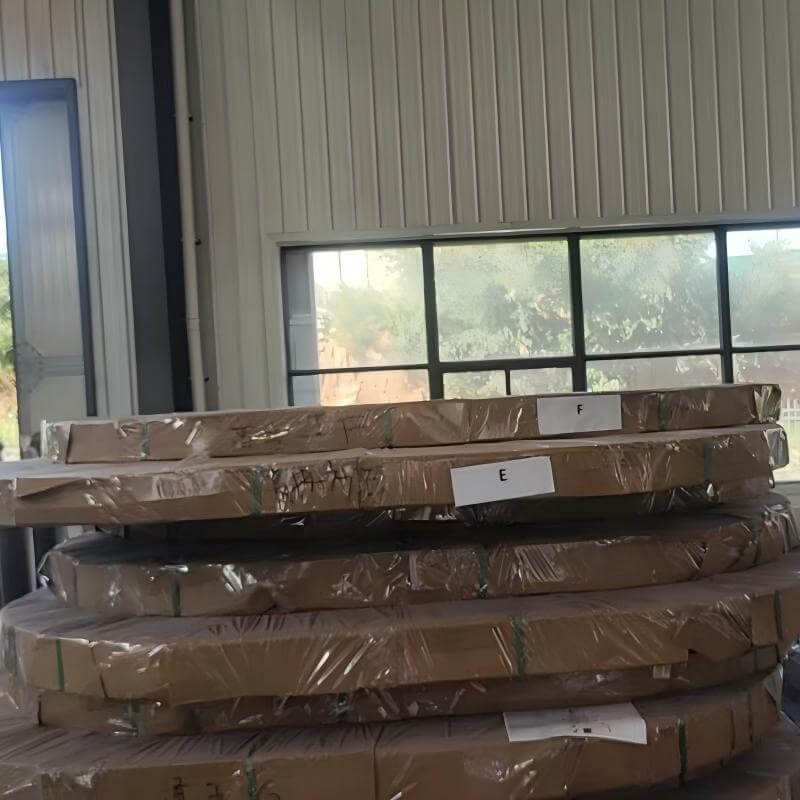
The 70MPa Hydraulic System Provides Controlled Pulling Power
The LT-1600 uses a hydraulic system rated at 70MPa.
Hydraulic power is widely used in frame correction equipment because it allows substantial pulling force to be applied in a controlled manner.
For your body shop, predictable force output is important when technicians are working on damaged structural sections.
The goal is to move the deformed area progressively rather than apply uncontrolled impact force.
A properly maintained hydraulic system helps technicians manage this process with more consistency.
Hydraulic performance also affects long-term equipment reliability.
Hoses, connectors, cylinders, seals, and hydraulic fluid should be checked regularly. Leakage, unstable pressure, or unusual movement should be investigated before continuing normal repair work.
The source product information describes the hydraulic pulling system as providing stable force output to help avoid secondary vehicle damage.
That advantage depends on correct operation. Hydraulic capability itself cannot guarantee that secondary damage will never occur. Technician training, pulling direction, anchoring, and continuous measurement remain essential parts of safe structural correction.
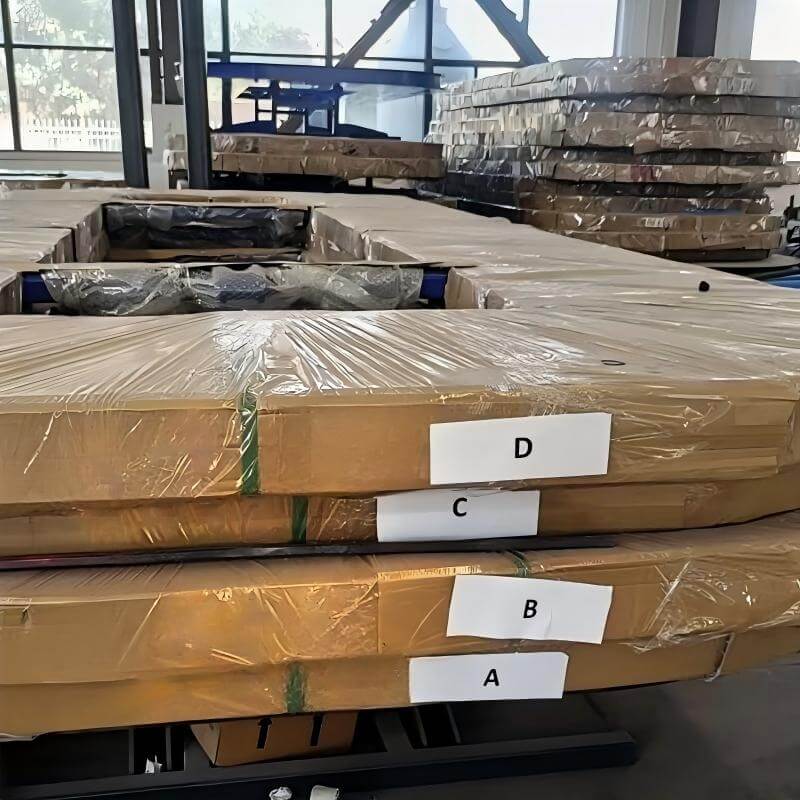
Secure Clamping Helps Keep the Vehicle Stable During Pulling
Body straightening requires the damaged area to move while the vehicle remains correctly secured.
That is why the clamping system is one of the most important parts of an auto body frame machine.
The LT-1600 uses a solid platform structure and a vehicle clamping arrangement intended to keep the vehicle stable during pulling operations.
For technicians, this provides a more controlled working foundation.
If a vehicle is not anchored correctly, part of the applied pulling force may simply move the vehicle rather than correct the damaged structural section.
Secure clamping helps direct the force into the intended repair area.
Before a pulling operation begins, technicians should check the clamping points and make sure the vehicle is positioned according to the repair procedure.
Clamps and related components should also be inspected regularly for wear or damage.
The exact clamping method can vary depending on the vehicle body structure, so compatibility should be confirmed when working with unfamiliar models.
Structural Correction Depends on Measurement, Not Visual Judgment Alone
One of the stated advantages of the LT-1600 is high-precision vehicle body correction with the objective of restoring body geometry toward OEM reference dimensions.
That does not mean technicians should rely only on the frame machine itself.
A collision repair is most reliable when pulling work is combined with appropriate vehicle measurement data.
After an impact, structural movement may be difficult to identify visually. A mounting point can be displaced even when the surrounding body panel does not appear severely damaged.
Technicians therefore need to compare relevant body dimensions with the reference data available for the vehicle.
Pulling and measurement then become a repeated process.
You secure the vehicle, measure the damaged structure, apply controlled correction, and measure again.
This continues until the required geometry is achieved within the applicable repair specification.
The supplied LT-1600 data does not provide a specific measurement accuracy or tolerance, so no numerical correction accuracy should be claimed without additional technical documentation.
For an independent website, keeping this distinction clear makes the product description more credible than simply calling the equipment “high precision” without supporting data.
Wide Vehicle Compatibility Helps Body Shops Handle Mixed Repair Work
The LT-1600 is intended for sedans, SUVs, and various compatible passenger vehicles.
This is useful for collision repair shops because incoming accident-damaged vehicles rarely belong to only one body size.
A repair shop may handle a compact sedan, a crossover, and a larger SUV within the same week.
Using a platform that can accommodate different passenger vehicle types helps you avoid dedicating the frame repair area to one narrow category.
The 5600 × 2200mm workbench provides the physical base for this flexibility.
However, vehicle compatibility should still be confirmed before repair.
Overall dimensions, curb weight, underbody structure, anchoring points, and the location of damaged areas can all affect whether a particular vehicle can be positioned and repaired correctly on the equipment.
The machine should therefore be sold and selected according to actual vehicle compatibility rather than described as suitable for every vehicle type.
A 3500kg One-Side Lifting Rating Supports Vehicle Positioning
The supplied specification states a maximum lifting weight of 3500kg on one side.
This is an important operating parameter when evaluating the equipment.
The lifting function can assist with vehicle positioning and access as part of the collision repair process, depending on the specific working procedure.
As with pulling force, the lifting rating should be treated as an equipment limit rather than a target operating load.
Technicians should confirm the actual vehicle weight and position before lifting.
Weight distribution also matters because a vehicle's total mass is not always distributed evenly across the front and rear sections.
For heavier SUVs and other passenger vehicles, checking the actual operating conditions before lifting helps keep the equipment within its intended working range.
0.8MPa Air Pressure Should Be Prepared at the Installation Site
The LT-1600 requires an operating air pressure of 0.8MPa.
This means the installation site needs an appropriate compressed-air supply.
Many professional body shops already use compressed air for pneumatic tools, spray equipment, and other workshop systems, but you should still confirm available pressure at the frame machine location.
The compressor's rated output alone does not always tell you what pressure is available at the end of a long air line.
Air consumption from other equipment, pipe diameter, and pressure losses in the workshop can affect actual conditions.
Before installation, it is practical to confirm the compressed-air layout and connection point.
This can prevent a situation where the frame machine has been installed but cannot operate according to its intended configuration because the supporting air supply is inadequate.
220V Single-Phase Power Simplifies Electrical Planning
The supplied LT-1600 electrical configuration is 220V, 50Hz, single-phase.
For some workshops, single-phase power can make installation more straightforward than equipment requiring a dedicated three-phase supply.
However, overseas buyers should still check local electrical conditions before ordering.
Voltage, frequency and phase standards vary between markets.
The final installation should also take account of appropriate wiring, grounding, circuit protection and any local electrical regulations.
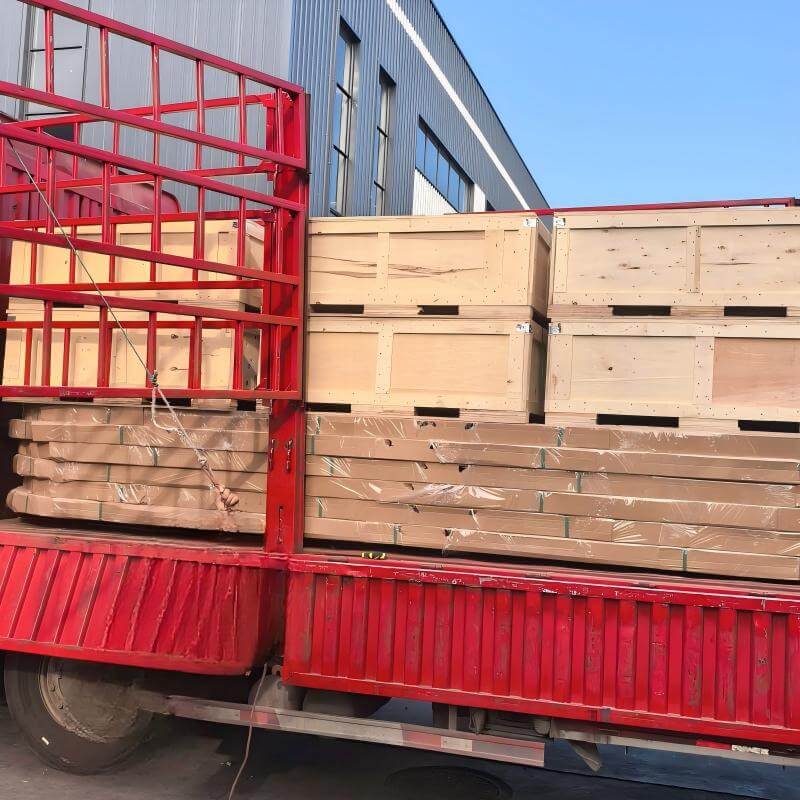
The Argentina configuration supplied in this case uses 220V, 50Hz and single-phase power, but the electrical specification for other destination markets should be confirmed rather than assumed.
For distributors, confirming power requirements at the quotation stage is much easier than changing the electrical system after the equipment has reached the customer.
Why Is Stable Pulling Important in Collision Repair?
A damaged body structure usually does not return to its correct geometry in a single pull.
Metal deformation caused by collision forces can affect several connected structural areas.
If you pull aggressively in only one direction, you may correct one point while creating additional stress elsewhere.
A stable hydraulic pulling system allows technicians to work progressively.
The repair process can be divided into controlled stages, with measurements taken between corrections.
This helps technicians understand how the damaged structure responds to each pulling step.
For serious collision repair, this controlled approach is generally more useful than simply applying the maximum available pulling force.
The LT-1600's 70MPa hydraulic system and 100kN maximum tension provide the equipment capability, but technician judgment remains essential.
A Dedicated Frame Machine Can Make Collision Repair More Organized
Collision repair requires more than equipment power.
Workflow also matters.
When structural work is carried out on a dedicated frame machine, the vehicle can remain securely positioned while technicians inspect, measure, pull and recheck damaged areas.
This creates a more organized process than repeatedly moving the vehicle between different work areas.
Tools, measuring equipment and pulling accessories can also be arranged around a dedicated repair bay.
For a busy body shop, that can make complicated collision jobs easier to manage.
The platform height of 520mm also places the vehicle above the workshop floor, helping technicians access relevant structural areas during correction work.
Actual productivity will depend on your shop layout, technician experience, vehicle damage, and repair process. No fixed percentage improvement should be claimed without measured shop data.
What Should You Confirm Before Ordering the LT-1600?
Before placing an order, compare the frame machine with the types of collision-damaged vehicles your shop normally repairs.
Confirm that the 5600 × 2200mm workbench provides sufficient space for your typical sedans, SUVs, and passenger vehicles.
Check the 100kN maximum tension and 70MPa hydraulic specification against your expected repair applications.
Your workshop should also be able to provide the required 0.8MPa compressed-air supply and the specified 220V, 50Hz, single-phase electrical connection for this configuration.
The final order should also clarify the supplied clamping system, pulling accessories, hydraulic components, installation requirements, operating manual, spare parts, and warranty conditions.
If body measuring equipment is required for your repair process, confirm whether it is included with the frame machine or supplied separately.
No specific CE, UL, ETL or other certification information was included in the supplied data for this LT-1600 configuration. If your local market requires conformity documentation or equipment certification, confirm availability before placing the order.
Frequently Asked Questions
What is the maximum pulling force of the LT-1600 frame machine?
The LT-1600 has a stated maximum tension force of 100kN. The actual force used during repair should be selected according to the damaged area, vehicle structure, and required correction procedure rather than always using the maximum available force.
What size is the LT-1600 workbench?
The workbench measures 5600 × 2200 × 520mm. This platform is designed to support compatible sedans, SUVs, and various passenger vehicles during collision repair and structural correction.
What hydraulic and air pressure does the LT-1600 require?
The hydraulic system is rated at 70MPa, while the required operating air pressure is 0.8MPa. The workshop's compressed-air system should be checked before installation.
Can the LT-1600 restore a vehicle to OEM body dimensions?
The LT-1600 is designed to support structural correction toward specified or OEM reference body dimensions when used with suitable measurement data and proper repair procedures. The supplied specifications do not state a numerical correction tolerance, so final accuracy depends on the measurement system, reference data, and technician operation.
Conclusion
The LT-1600 auto body frame machine combines a 5600 × 2200 × 520mm workbench, 70MPa hydraulic system, 100kN maximum pulling force, and 3500kg stated one-side lifting capacity for professional collision repair work. Its platform and clamping arrangement are designed to support compatible sedans, SUVs, and passenger vehicles while technicians carry out controlled structural correction.
For a collision repair shop, the real value of the LT-1600 is not simply maximum pulling force. Stable vehicle anchoring, controlled hydraulic force, repeated body measurements, and correct repair procedures all work together when restoring damaged vehicle geometry. Before ordering, you should match the platform size, pulling capability, air supply, electrical configuration, and repair accessories to your actual workshop requirements.